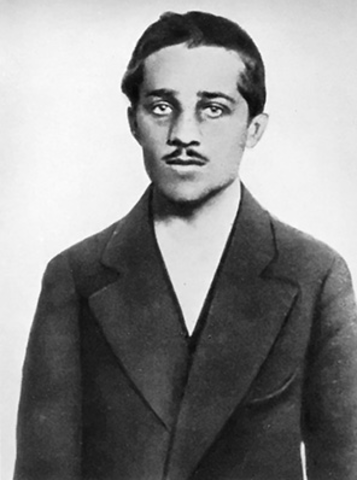
On June 28, 1914, Archduke Franz Ferdinand, presumptive heir to the Hapsburg throne, was assassinated in the Bosnian capital of Sarajevo by a young Serbian nationalist, Gavrilo Princip in what would prove to be a key turning point in the history of the 20th century. The Archduke’s murder put in motion a series of events that would unleash the greatest calamity the world had known up to that point, World War I. The war would destroy an entire generation of European young men, 20 million dead soldiers and another 21 million wounded. It would not be what U.S. President Woodrow Wilson declared, “the war to end all wars.” It only laid the ground work for an even greater catastrophe twenty five years later, World War II.
By the beginning of the 20th century, the Hapsburg empire had become an increasingly unruly multi-ethnic empire with various ethnic groups at odds with each other or agitating for independence. One such problematic group was the ethnic Serbs of Bosnia-Herzegovina, a multi-ethnic territory the Hapsburgs seized from the Ottoman Empire in 1874. Ethnic Serbs comprised about 40 percent of Bosnia’s population, many of who were intent on integrating Bosnia with Serbia to form a “Greater Serbia” state, a goal that Serbia encouraged and actively worked to realize. Serbian military intelligence, with or without the consent of the Serbian government, was actively engaged in covert actions to undermine Vienna’s control over the province. One such operative was Colonlel Dragutin Dimitrijević, the leader of a secret Serbian military society, called “the Black Hand” whose aim was to unite all of the South Slavs of the Balkans under Serbian rule. Dimitrijevic, or Apis, as he was better known, was cultivating ties with a group of radical Serbian separatists called the “Young Bosnia” movement that would play a pivotal role in the events leading up to World War I.
Archduke FranzFerdinand
The Archduke was not only Emperor Franz Joseph’s presumptive heir; he was also inspector general of the Austrian-Hungarian army. And in that capacity, he agreed to attend a series of June 1914 military exercises in Bosnia. Franz Ferdinand was dismissive of the Serbs, often referring to them as “pigs,” “thieves,” “murderers” and “scoundrels.” Nevertheless he was also quite sensitive, perhaps more than any other high level official, to the ethnic powder keg that the multi-ethnic Hapsburg Empire had become as it expanded. The Archduke supported reforming the empire from the dual Austro-Hungarian monarchy to a a triple monarchy of Slavs, Germans and Hungarians each having an equal voice in government. This idea was unpopular with the Hapsburg ruling elite but Franz Ferdinand saw it as a more effective way of neutralizing the problem of the Serbs than military force that risked a larger war with Russia, Serbia’s ally.
The date selected for Franz Ferdinand’s visit, June 28, unfortunately coincided with another important event in Serbian history. It was the anniversary of the 1389 Battle of Kosovo Polje in which the Serbs were defeated by the Ottoman Turks and subjugated under Turkish rule for the next 500 years. The battle, in which both Serbian King Lazar and the Ottoman Sultan Murad were killed, plays a crucial role in Serbian national identity and the decision to hold the Archduke’s visit on that day only fanned the flames of dissent among Serbian nationalists even further.
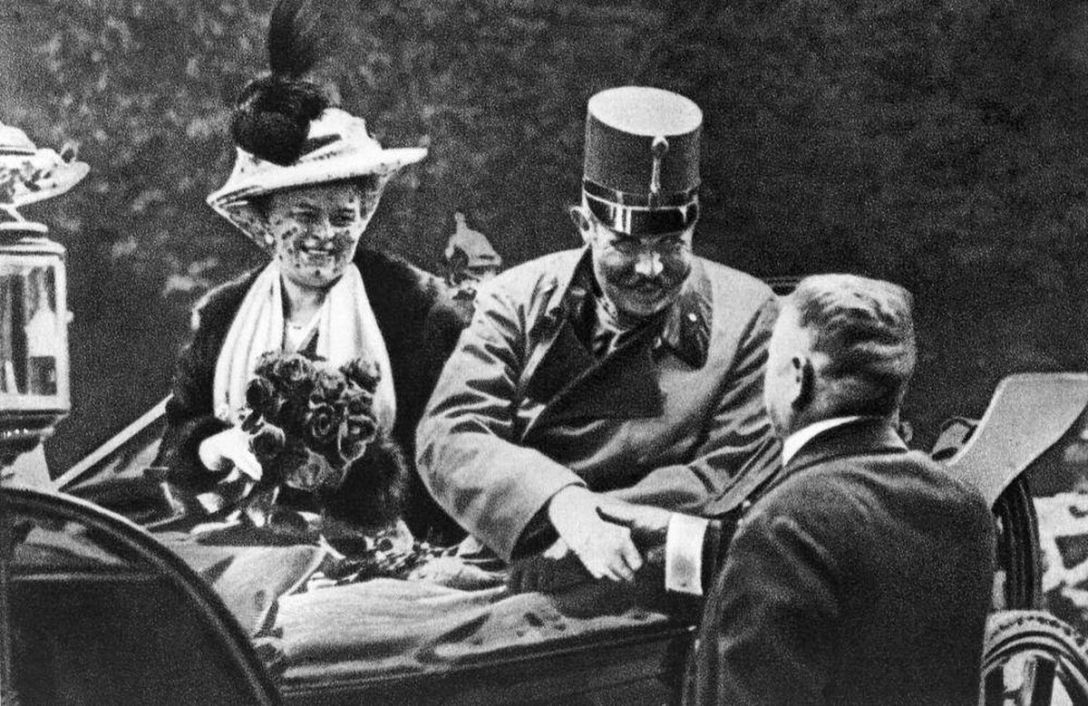
The Archduke and his wife Sophie
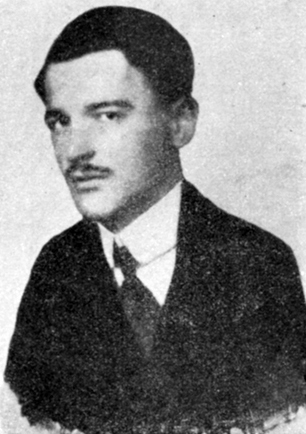
News of Franz Ferdinand’s upcoming visit to Sarajevo prompted Serbian radicals associated with the Young Bosnia movement to begin plotting to assassinate him. On the morning of the Archduke’s visit, seven Bosnian Serbs, armed with pistols, bombs, and cyanide capsules likely provided by Serbian military intelligence, fanned out along the expected motorcade route as he and his entourage drove through the city to City Hall. As the motorcade approached the first two assassins, they lost their nerve and failed to act. A third assassin, Nedeljko Cabrinovic, was not so reticent. Shortly after 10:00am, Cabrinovic tossed a bomb at the open roof sedan carrying the Archduke and his wife. The bomb bounced off their car exploding underneath the one directly behind it injuring the occupants. The Royal couple arrived safely at City Hall for their scheduled reception with no further attempts on their lives.
After finishing up their reception at City Hall, Franz Ferdinand made the fateful decision that he wanted to go to the hospital and visit those who had been injured in the failed assassination attempt. This change in plans would end in tragedy. The driver, unfamiliar with the local streets accidentally turned down a wrong side street, just where another assassin, Gavrilo Princip, happened to be standing by chance. As the Archduke’s driver attempted to reverse back onto the main road, Princip pulled out his pistol and fired two shots at the archduke from point-blank range, piercing him in the neck and also striking his wife in the abdomen. Both would die within minutes of their wounds.
Austria-Hungary was convinced that neighboring Serbia was the true mastermind behind the attack and opted to use the crisis to settle its long-standing score with the Serbs. The Austrians hoped to strike a blow against Belgrade and stymie its efforts to unite the South Slavs of the Balkans under Serbian leadership. Their plan, developed in coordination with Germany, was to force a military conflict that would, they hoped, end quickly and decisively with a crushing Austrian victory before the rest of Europe—namely, Serbia’s powerful ally, Russia—had time to react.
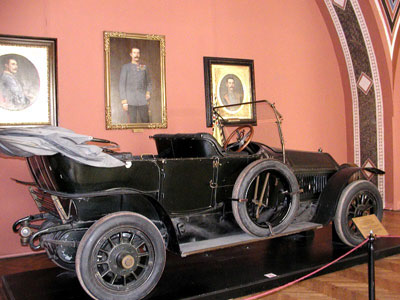
Left: The Archduke’s automobile, Right: Princip’s pistol
On July 23, the Austro-Hungarian government issued Serbia an ultimatum in which it blamed Serbia for the assassination and presented Belgrade with a list of demands that it expected to be fulfilled by Belgrade or it would declare war. The Serbs were given two days to respond. The list consisted of ten demands, many of which the Austrian leadership believed Serbia would never agree to accept. Winston Churchill, at the time in charge of Britain’s Royal Navy, called the Austrian ultimatum “the most insolent document of its kind ever devised”. In short, the ultimatum was intended as a pretext to justify war. Much to the surprise of the Austrians, Serbia agreed to almost all of the demands, only refusing to accept a direct investigation by Austro-Hungarian police officers on its territory. Serbia continued to insist that it gave no moral or material support to Princip and the other assassins.
Austria-Hungary declared war on Serbia on July 28, 1914, exactly a month after the assassination of the Archduke. The declaration set off a chain of events that would plunge the entire continent into crisis. Russia, Serbia’s long-time protector, condemned Austria’s aggression and on July 30 began mobilizing its military forces in support of its ally. Germany followed suit as expected and on August 1, declared war on Russia. At the same time Berlin demanded a declaration of neutrality from France to avoid a two-front war. When Paris refused, Germany felt it had no alternative and declared war on France on August 3. The next day Germany invaded Belgium to attack France. Great Britain, which had pledged to defend Belgium demanded an explanation for German aggression against Belgium. When one was not forthcoming Britain declared war on Germany. The war that all the European powers had long expected finally erupted.
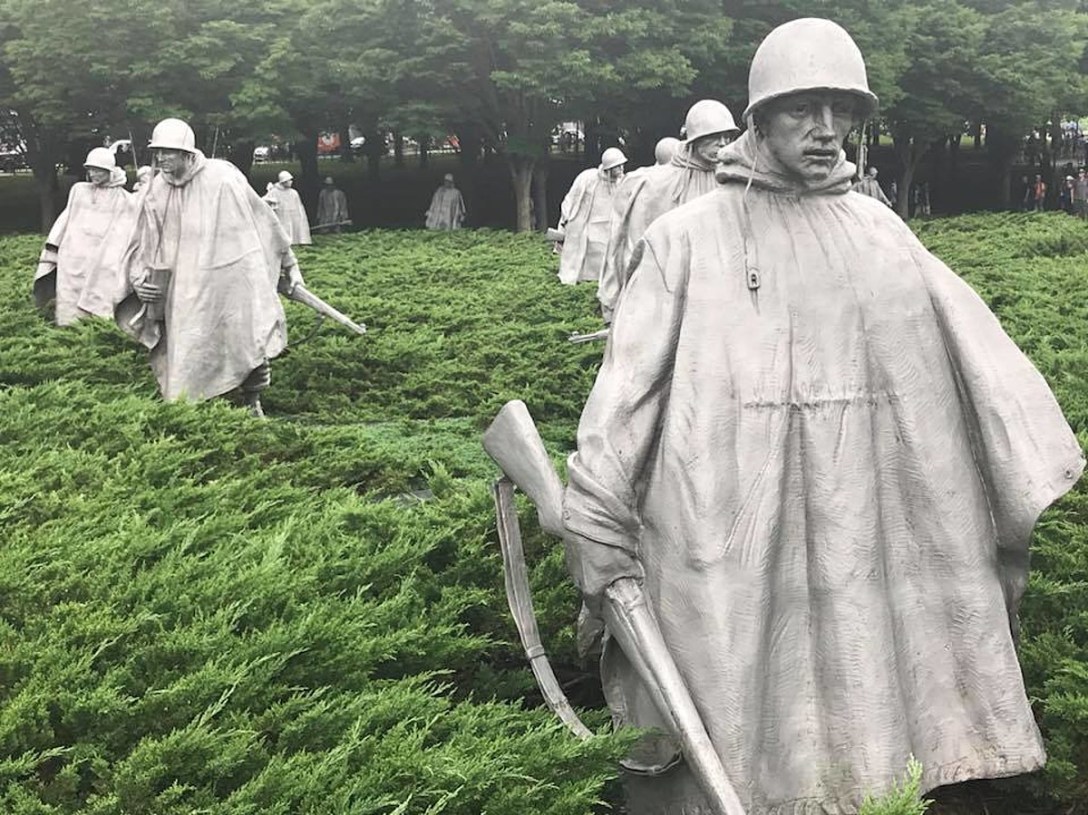
In the early morning hours of June 25, 1950, the army of the People’s Democratic Republic of Korea stormed across the 38th parallel into the Republic of South Korea in an attempt to unify the Korean Peninsula under Communist rule. The war would see-saw back and forth over the next three years with no clear victor. The fighting would end in June 1953 with the belligerents agreeing to an armistice at Panmunjom. However, no peace treaty was ever signed and both sides technically remain at war. The Korean War would demonstrate that the United States would not shrink in the face of Communist aggression. It would also exert powerful influence over the U.S. defense establishment, introducing a new concept known as “limited war,” give birth to the Eisenhower administration’s New Look defense policy, and shape U.S. attitudes toward intervention in and the conduct of what would later become the Vietnam War.
One Peninsula Two Koreas
After Japan’s surrender in World War II, the Korean peninsula was divided at the 38th parallel split two zones of occupation – the U.S.-controlled South And the Soviet-controlled North. There was an understanding between the United States and the Soviet Union that the division was a temporary condition until the Koreans were deemed ready for self-rule. Beyond this rather vague agreement, however, much about the future of Korea was left uncertain.
By 1948, the Cold War was in full swing and the dividing lines in both Europe and Asia, once thought to be temporary, became permanent. The Soviets established a socialist state in the north under the totalitarian leadership of Kim il-Sung and a capitalist state in the south emerged under the authoritarian strongman Syngman Rhee who was installed as the South Korean leader by the Office of Strategic Services, the predecessor to the Central Intelligence Agency. Both governments of the two new Korean states claimed to be the sole legitimate government of all of Korea, and neither accepted the border as permanent.
It was clear early on that Kim il-Sung had ambitions to reunite the two Koreas through military force. The North Koreans had been sponsoring a communist insurgency inside South Korea and provoking border clashes with South Korean military forces since 1948 but the naturally cautious leader of the Soviet Union, Josef Stalin, whose assistance and approval would be necessary for any invasion of the South was reluctant to give the go ahead. Stalin worried how the US would respond to any invasion of South Korea but three factors would influence his decision making calculus. In 1949, the Soviet Union would successfully test its own atomic weapon and and in October the Chinese Communist under Mao Zedong finally defeated Chiang-Kai-Shek and his nationalists to gain power in China. Lastly, in January 1950, Secretary of State Dean Acheson delivered a highly publicized speech at the National Press Club in which he laid out the United States’ vital interests in Asia and those it was willing to go to war for. In his speech Acheson mistakenly omitted South Korea.
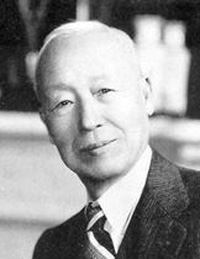
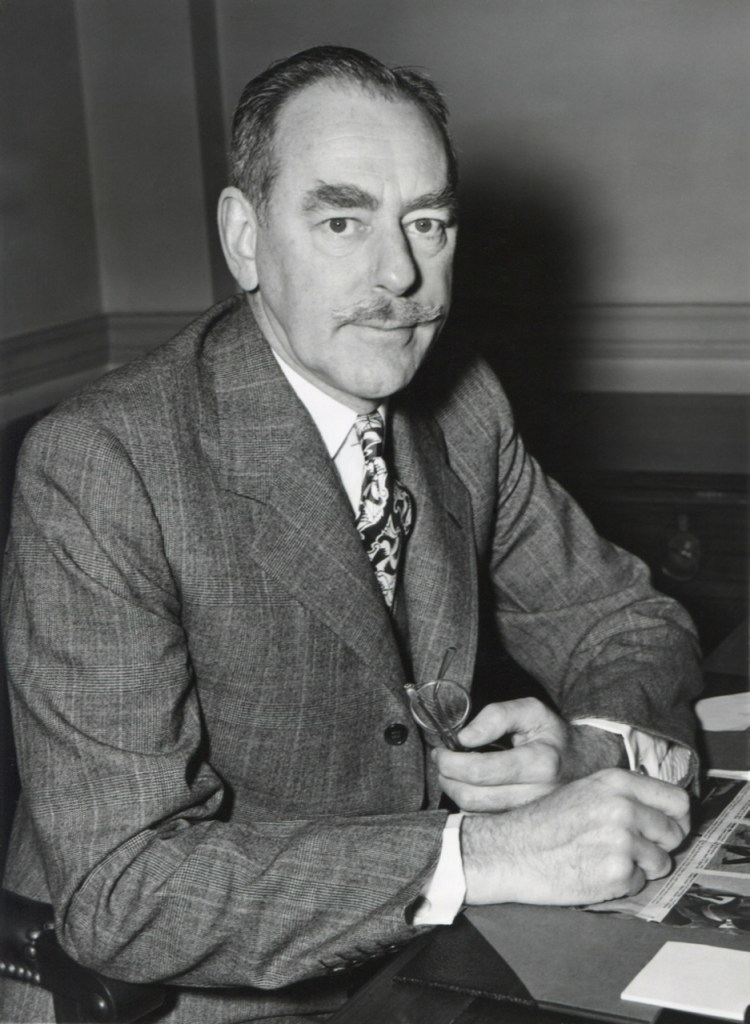
Left: Kim il-Sung, leader of the Democratic Peoples’ Republic of Korea; Center: Syngman Rhee, President of the Republic of Korea; Right: Dean Acheson, U.S. Secretary of State
In April 1950, Stalin reportedly gave Kim permission to attack the government in the South under the condition that Mao would agree to send reinforcements if needed. Stalin made it clear that Soviet forces would not openly engage in combat, to avoid a direct war with the US. Kim met with Mao in May 1950 . Mao was concerned the US would intervene but agreed to support the North Korean invasion. China desperately needed the economic and military aid promised by the Soviets.However, Mao sent more ethnic Korean PLA veterans to Korea and promised to move an army closer to the Korean border.Once Mao’s commitment was secured, preparations for war accelerated.
The Cold War Turns Hot
The North Korean Peoples’ Army (NKPA) invaded South Korea at Dawn on the morning of Sunday, June 25, 1950, under the fabricated pretext that South Korean military forces attacked first. Catching South Korean and U.S. military forces completely by surprise, the North Korean penetrated deep into South Korea. U.S. military planners had been fixated on the potential for a major military conflict with the Soviet Union in Europe and did not anticipate that the first test of U.S. resolve and the first military conflict between the United States, the Soviet Union, and their proxies in the new Cold War would be a localized war in Asia on the remote Korean Peninsula.
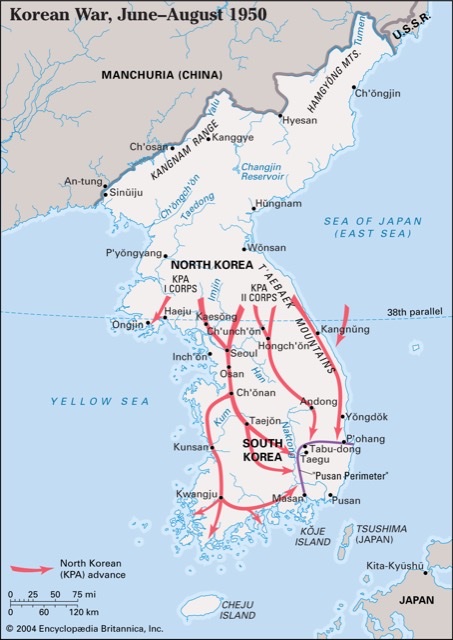
The United States reacted swiftly to the news of the invasion by immediately taking steps to convene the United Nations Security Council. For, the United States this was not simply a intra-Korean conflict but war against international communism. On June 27th the Security Council asked UN members to provide military assistance to help South Korea repel the invasion. The United States appeal to the UN was successful only because the Soviets were boycotting the UN in protest because of its refusal to recognize the new Communist Peoples’ Republic of China as the legitimate government of the Chinese people. U.S. forces entered the conflict on June 30th but by this time the North Koreans had taken the South Korean capital of Seoul and continued to drive South. Because of the extensive defense cuts after World War II and the emphasis placed on building a nuclear bomber force, none of the U.S. Armed Forces were in a position to make a robust response with conventional military strength. By August, the North Koreans had pushed the South Korean military forces and the U.S. Eighth Army back to the port of Pusan in what would become desperately known as the “Pusan Perimeter.” The North Koreans continued to press the attack on the Pusan perimeter as the US continued to ferry troops in from Japan in an attempt to buy time.
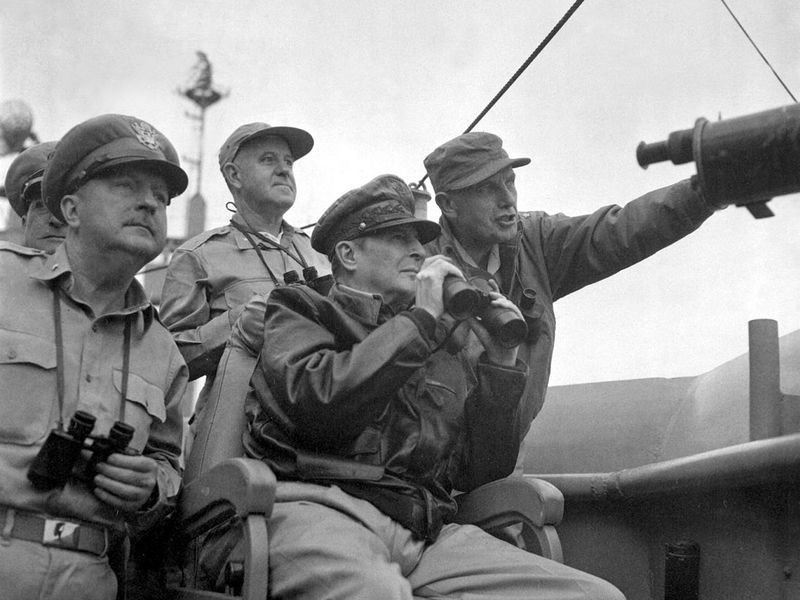
General Douglass MacArthur during the Inchon landing
To relieve the pressure on the Pusan perimeter, General Douglass MacArthur, the overall commander of U.N. and South Korean military forces, planned a bold and audacious amphibious landing behind enemy lines at Inchon. On September 15, 1950, over 50,000 American troops from the 1st Marine Division and the 7th Infantry Division landed at Inchon taking the North Koreans completely by surprise and within two weeks liberated the capital of Seoul. With their supply lines now threatened by the loss of Seoul the North Korean army began to fall back from Pusan and across the 38th Parallel.
The retreat of the NKPA back across the border presented the United States and its U.N. allies with a conundrum, whether or not to pursue them across the 38th Parallel. Up until this point of the conflict, the US and its allies had been on the defensive. The U.N. mandate for intervention only pertained to resisting North Korean aggression. It authorized no offensive operations to reunite the peninsula under democratic rule. Lastly, Chinese leaders began to issue not so subtle warnings to the US that China would intervene militarily in the conflict if the US crossed the 38th Parallel into North Korea. On 27 September, the Joint Chiefs of Staff sent to General MacArthur a comprehensive directive to govern his future actions: the directive stated that the primary goal was the destruction of the North Korean army, with unification of the Korean Peninsula under Rhee as a secondary objective. Three days later, Secretary of Defense, General George C. Marshall authorized MacArthur to cross the border into North Korea but to be watchful for any signs of Chinese intervention.
The Chinese Counterattack
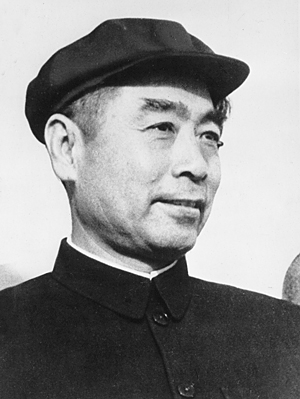
MacArthur’s decision to pursue the retreating North Korean army back across the 38th Parallel prompted a great deal of angst in Moscow and Beijing. Chinese Prime Minister Zhou Enlai publicly warned:”The Chinese people will no supinely tolerate seeing their neighbors savaged by the imperialists.” In a back channel warning to the United States, Zhou told the Indian ambassador, that if the American troops entered North Korea, China would intervene in the war. On 1 October 1, 1950, the day that UN troops entered North Korea the Soviet ambassador to China forwarded a telegram from Stalin to Mao Zedong requesting that China send five to six divisions into Korea, and Kim Il-sung sent frantic appeals to Mao for Chinese military intervention. At the same time, Stalin made it clear that Soviet forces themselves would not directly intervene.
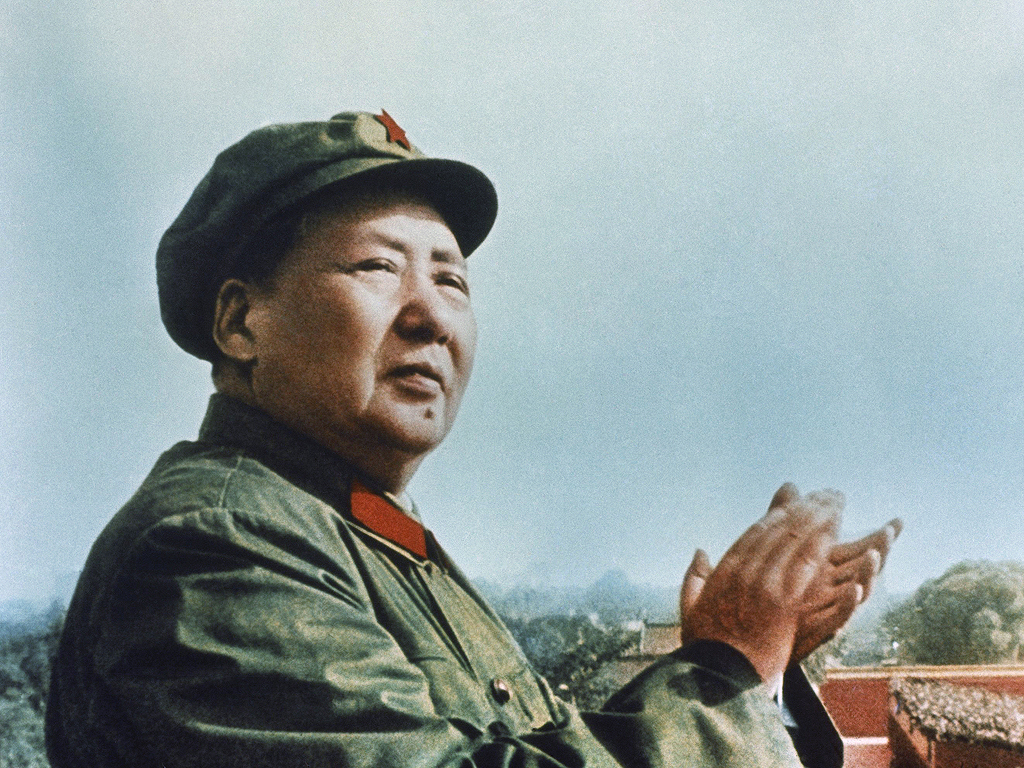
Clockwise: Mao Zedong, Prime Minister Zhou Enlai, General Peng Dehui
Chinese military intervention to save the North Koreans was not a certainty, despite the repeated warnings that Beijing was sending. MacArthur’s rapid advance posed a clear and present danger for China which could not be sure that the UN forces wouldn’t cross over the Yalu River and try to topple the new Peoples’ Republic or at a minimum install a hostile regime along its border. Mao clearly supported the idea of intervening but other members of the Chinese Leadership were more wary. In a series of emergency meeting from October 2-5, Chinese leaders debated the merits of a military intervention in the Korean conflict before reaching a consensus in favor of such action. To enlist Stalin’s support, a Chinese delegation led by Zhou Enlai arrived in Moscow on October 10. Stalin initially agreed to send military equipment and ammunition but warned Zhou that the Soviet Air Force would need two or three months to prepare any operations. In a subsequent meeting, Stalin told Zhou that he would only provide China with equipment on a credit basis and that the Soviet Air Force would only operate over Chinese airspace, and only after an undisclosed period of time. Stalin did not agree to send either military equipment or air support until March 1951.
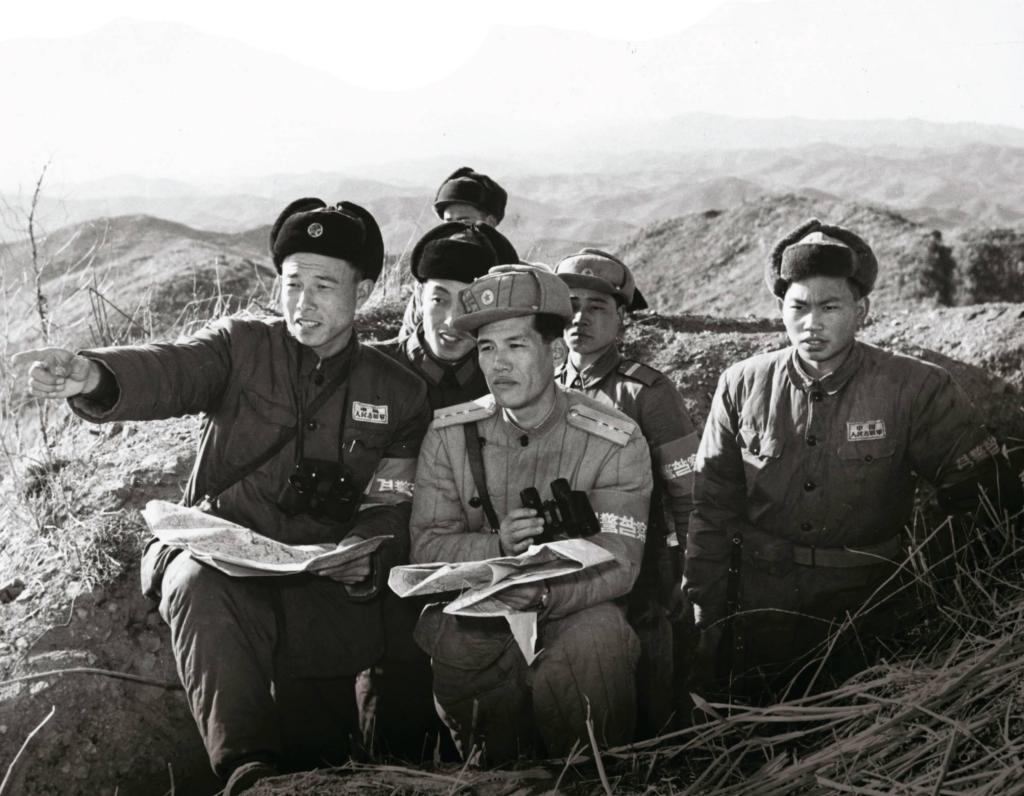
Pushing further North, the UN forces captured the North Korean capital of Pyongyang on October 19. That same day, Beijing ordered more than 250,000 “volunteers” under General Peng Dehuai to secretly cross over the Yalu into North Korea. The Peoples’ Volunteer Army (PVA) as it became known, launched its first combat operation on October 25, routing the South Korean II Corps at the Battle of Onjong. A week later, the PVA surprised U.S. military forces, encircling the entire 8th Cavalry Regiment at the Battle of Unsan in one of the most devastating U.S. loses in the entire war. The surprise Chinese assault sent the US forces reeling back to the Ch’ongch’ on River unsure whether they were attacked by Chinese or North Korean military forces. In retrospect the events on the battlefield in late October and early November 1950 were harbingers of disaster ahead. They had been foreshadowed by ominous “signals” from China, signals relayed to the United States through Indian diplomatic channels. The Chinese, it was reported, would not tolerate a U.S. presence so close to their borders and would send troops to Korea if any UN forces other than ROK elements crossed the 38th Parallel.
Chinese PVA soldiers inside North Korea
By the second week of November, MacArthur and the rest of UN command finally acknowledged that Chinese military forces had indeed entered the conflict but continued to downplay the significance of the intervention and vastly underestimate the number of forces involved. The PVA had pulled back to regroup after the battles of Onjong and Unsan because of ammunition and food shortages which reinforced MacArthur’s preconceived ideas that any Chinese involvement in the conflict was minimum. MacArthur argued that there were no more than 25,000 Chinese troops inside North Korea, when in fact the PVA now numbered closer to 300,000. Overconfident from his previous success and undaunted by this new foe, MacArthur planned a new “end the war” offensive, a drive to the Yalu, which he promised would end the war by Christmas. The Chinese had other plans.
The UN forces launched their “Christmas Offensive” on November 24 and for the first twenty-four hours they encountered little enemy opposition. However, the Chinese were waiting in ambush and the following evening they carried out a series of surprise attacks against the U.S. Eighth Army along the Ch’ongch’on River Valley almost encircling the entire army. It was soon apparent that the bulk of the enemy forces were not NKPA but organized Chinese Communist units and that there were many more than the 70,000 U.S. military intelligence assessed. On November 27, the Chinese attacked the U.S. X Corps near the Chosin Reservoir, encircling the 1st Marine Division. These forces would eventually breakout after nine days of heavy fighting, and carry out a successful withdrawal to the coast. Pressing their advantage, the Chinese pushed the UN forces 300 miles back down the peninsula and across the 38th parallel with the South Korean capital changing hands a third time on January 4, 1951. The operation which began with such confidence and optimism, was a complete disaster and perhaps the greatest debacle the U.S. armed forces suffered in the entire twentieth century.
As UN forces retreated back down the peninsula and across the 38th parallel, MacArthur warned that the United States now faced “an entirely new war.” He refused to accept any responsibility for the flawed offensive or that he had disobeyed a specific order from the Joint Chiefs to use no non-Korean forces close to the Manchurian border. He denied that his strategy had precipitated the Chinese invasion and argued his inability to defeat the new enemy was due to restrictions imposed by Washington that were “without precedent,” instead of acknowledging his own failure to take the Chinese threat seriously. In December 1950, MacArthur requested permission to use nuclear weapons against the Chinese. He also called for instituting a naval blockade of China, authorization to bomb Chinese military installations in Manchuria and bridges across the Yalu, the deployment of Chiang Kai-shek’s Chinese Nationalist forces in Korea, and launching of an attack on mainland China from Taiwan. Truman flatly refused these requests and a very public argument began to develop between the two men.
The President vs. the General
The complete and abject failure of MacArthur’s offensive and China’s intervention into the war forced a great deal of soul searching amongst U.S. political and military leaders as to what the US and its UN allies could realistically achieve in Korea. Truman and MacArthur each derived completely different lessons from the Chinese intervention. For Truman, it was clear the idea of unifying the Korean Peninsula under democratic rule was pure folly. Beijing made clear that it would never allow such an outcome and further efforts in that direction only risked escalation and a broader conflict. In Truman’s mind, the time had come to return to the pre-war status quo and to end the conflict honorably. For MacArthur, such an approach was tantamount to surrender. MacArthur essentially believed that World War III had begun in Korea and the U.S. had to wage it.
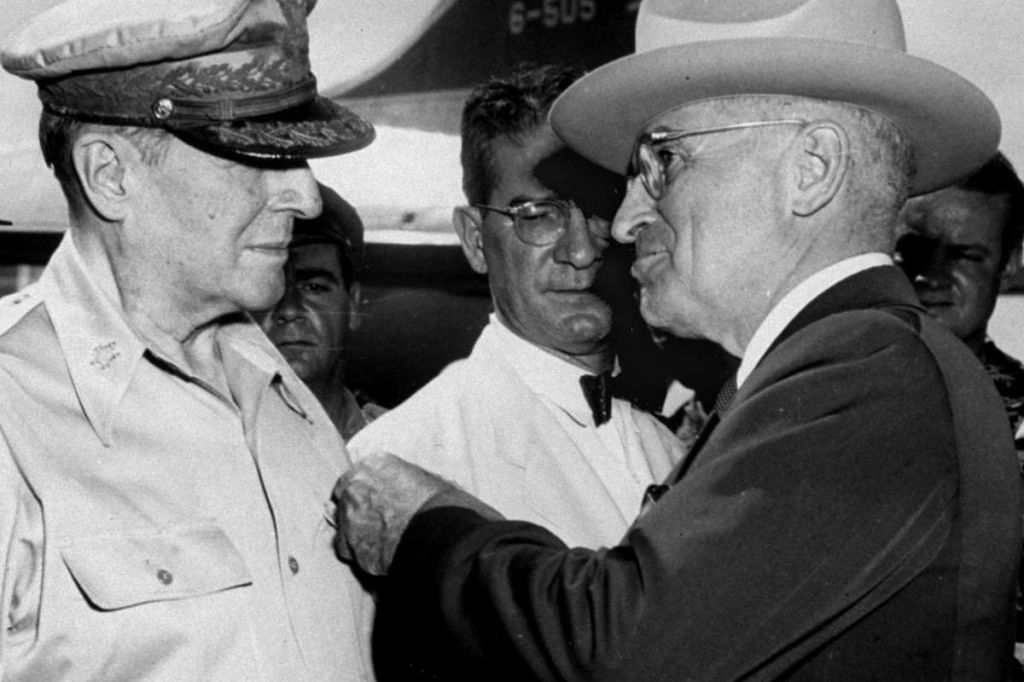
President Truman and General MacArthur at their October 1950 meeting on Wake Island.
Truman was looking for was an opportunity to exit the conflict with U.S. credibility in tact and that opportunity came early in the new year. The U.S. Eighth Army had regrouped from the disaster of the previous year and now under the able leadership of General Mathew Ridgway, began a series of offensives at the end of January 1951 to push the Chinese back across the 38th parallel. The PVA, for all its battlefield success, still suffered from an underdeveloped logistics network. In advancing too far south the PVA had outpaced its supply lines, leaving it vulnerable to a counterattack. On March 18, Seoul changed hands a fourth time, as the Chinese retreated back across the 38th parallel. For Truman and his Pentagon and State Department advisers, the time was ripe to press for a negotiated end to the conflict. The pre-war status quo had been restored and prospects for a much better outcome were dim. Moreover, the mood of the American public was souring on the war. A Gallup Poll in March revealed the Truman’s approval rating had slipped to only 22 percent and people began to refer to the war as “Harry Truman’s War” or “Truman’s Police Conflict.”
Meanwhile, MacArthur, who harbored ambitions of being elected President, continued to insist on prosecuting the war to the fullest extent of U.S. capabilities, even at the risk of a broader war with the Soviet Union. As Truman worked to negotiate a peace, MacArthur announced his own terms for ending the fighting. In a public statement, again without getting any clearance from Washington, MacArthur taunted the Chinese for failing to conquer South Korea. He then went on to threaten to attack China unless the Chinese gave up the fight. He also issued thinly veiled criticisms of Truman and his advisers for their peacemaking efforts. It soon became quite apparent to Truman as well as the Joint Chiefs of Staff that MacArthur’s continued challenges to presidential authority posed a direct threat to the principle of civilian control over the military and that he needed to be relieved. On April 5, Republican House Minority Leader Joe Martin read a letter from MacArthur in the House chamber declaring, “There is no substitute for victory.” The letter not only intentionally torpedoed Truman’s cease-fire proposal but now MacArthur was wading in the forbidden territory of domestic U.S. politics. Truman was furious.
Six days later MacArthur was relieved of his command. In a written public statement Truman acknowledged MacArthur “as one of our greatest commanders.” However, he also explained that “military commanders must be governed by the policies and directives issued to them in the manner provided by our laws and Constitution.” In private, Truman was more blunt, remarking, ““I didn’t fire him because he was a dumb son of a bitch, although he was,” Truman later said. “I fired him because he wouldn’t respect the authority of the president.” Public reaction was overwhelmingly against the firing of MacArthur. Tens of thousands of telegrams opposing MacArthur’s dismissal flooded the White House. President Truman himself was booed at a baseball game while MacArthur returned to the United States and was welcomed by huge emotional crowds and a ticker tape parade. Nevertheless, even though Mac Arthur was extremely popular with the public, only 30 percent of the public agreed with his view of escalating the war.
From Stalemate to an Armistice
Truman replaced MacArthur with General Mathew Ridgway, commander of the U.S. Eighth Army, and for the next two years the war settled into a stalemate with no dramatic swings one way or the other, as was indicative of the first year of the conflict. There was still fierce fighting to be sure but neither side made any significant headway. As the stalemate settled in, public opposition to the war grew. In 1952, a politically wounded Truman decided against seeking re-election and General Dwight D. Eisenhower, a Republican, was elected President largely on a promise that he would find an honorable end to the conflict. On the other side there were also huge shake-ups. Stalin died in March of 1953 and there was some concern that the new Soviet leadership might not be as supportive of the Chinese and North Korean war effort. That year the United States successfully tested its first hydrogen bomb increasing its destructive capacity. By July 1953, both sides were worn out by the conflict and on July 27, 1953, North Korea, China, and the United States signed an armistice agreement. South Korea, however, objected to the continued division of Korea and did not agree to the armistice or sign a formal peace treaty. So while the fighting ended, technically the war never did.
Eisenhower in Korea shortly after his election
Nearly 40,000 American troops, and an estimated 46,000 South Korean troops, were killed. Casualties were even higher in the north, where an estimated 215,000 North Korean troops and 400,000 Chinese troops died. But the vast majority of the dead—up to 70 percent—were civilians. As many as four million civilians are thought to have been killed, and North Korea in particular was decimated by bombing and chemical weapons.
Aftermath
The Korean War has often been called the “Forgotten War” but its importance is huge. The use of US military forces to defend South Korea against communist aggression gave credibility to U.S. security guarantees and reassured our allies that these guarantees were not empty promises on a piece of paper.
The conflict also introduced the concept of “limited war,” which essentially was at the heart of the Truman-MacArthur feud. A limited war can best be defined as a conflict in which the belligerents restrict the purposes for which they fight to concrete, well defined objectives that do not require the utmost military effort of which the powers are capable and that can be accommodated in a negotiated settlement. Up until Korea, the United States was accustomed to fight wars in which all means of national power were used to achieve the enemy’s unconditional surrender. In World War II the United States used maximum force to defeat Nazi Germany and Japan. However, in Korea, the US needed to limit both its objectives and means in order to avoid escalating the conflict into a broader war with a nuclear armed Soviet Union. The concept of limited war without the possibility of complete and total victory was alien to the American public but it would become norm for many conflicts in the nuclear age.
The Korean War also marked a major turning point in US security affairs, serving as the impetus for Eisenhower’s “New Look” defense policy, with its heavy emphasis on strategic nuclear weapons to deter conflicts both conventional and nuclear. Eisenhower understood the need to stop the spread of communism but he was skeptical of the American people’s’ willingness to support future limited wars. He also questioned the wisdom of sustaining such expensive defense budgets. To square this circle, the Eisenhower administration adopted a purely American solution to the problem. It would replace manpower with technology, nuclear weapons. Essentially, the U.S. proclaimed that any attack, no matter how small, would be met with force disproportionate to the original. The Eisenhower administration calculated that the threat of massive retaliation would be sufficient to deter communist aggression. In reality the policy was flawed because it effectively left Eisenhower without any options other than nuclear war to combat communist aggression in the face of “less than total challenges” such as the 1954-1955 Quemoy and Matsu crisis.
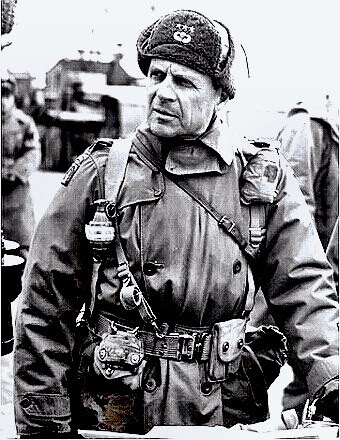
General Mathew Ridgway in Korea
Lastly, the frustration and anger over the Korean War affected not only the U.S. public but the military as well. There was a strong feeling in the upper echelons of the U.S. armed forces that Korea, to quote General Omar Bradley, was “the wrong war, at the wrong place, at the wrong time,” and that the United States should “never again” fight a land war in Asia for limited objectives. These officers would be dubbed the “Never Again Club” and would include Army Chief of Staff General Mathew Ridgway who commanded the U.S. Eighth Army in Korea and replaced MacArthur after he was dismissed by Truman. Almost a year after the armistice in Korea was signed the United States found itself on the precipice of another land war in Asia as the French were on the verge of defeat at the hands of the Vietnamese communists and were seeking U.S. military intervention. Serious debate within the Joint Staff occurred regarding the use of AirPower and nuclear weapons to save the French but Ridgway led the fight against intervention arguing that the risks far outweighed the rewards. The power and influence of the “Never Again Club” would ebb by 1960 as the Army suffered from resource cutbacks under Eisenhower’s New Look defense policy and searched for new opportunities to demonstrate its relevance and Vietnam would come to be that opportunity.
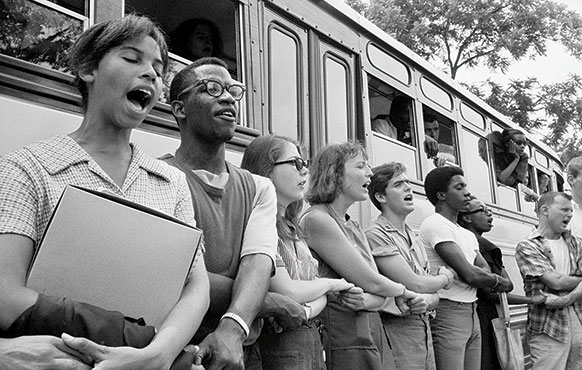
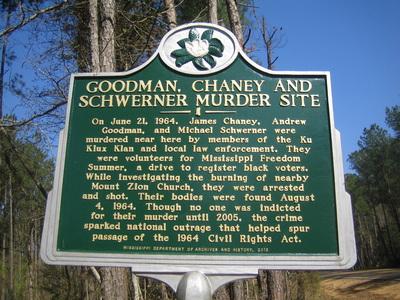
On June 21, 1964 three civil rights activist, Michael Schwerner, Andrew Goodman, and James Chaney were kidnapped and brutally murdered by the Ku Klux Klan in Neshoba County Mississippi. The three were part of what was called Freedom Summer when hundreds of students and young civil rights activists descended upon Mississippi to register and educate the African-American population about their voting rights and to combat the state’s white supremacist power structure that disenfranchised blacks. The murder of Schwerner, Goodman, and Chaney would prove instrumental in the passage of the landmark 1964 Civil Rights Act and the 1965 Voting Rights Act the following year.
The project was organized by the Council of Federated Organizations, a coalition of the four major civil rights organizations — the Student Non-Violent Coordinating Committee, the Congress of Racial Equality, the National Association for the Advancement of Colored People, and the Southern Christian Leadership Conference. The project set up dozens of Freedom Schools, Freedom Houses, and community centers in small towns throughout Mississippi to aid the local Black population.
Mississippi was chosen as the target of this effort because it had the lowest percentage of registered African-American voters of any state in the Union, only 6.7 percent of eligible black voters. Blacks had been restricted from voting since the turn of the century due to barriers to voter registration and other laws. Many of Mississippi’s white residents deeply resented these “outside agitators” and any attempt to change their ways. The Ku Klux Klan, the White Citizens’ Council, the Sovereignty Commission and even state and local law enforcement were engaged in a campaign of violence and harassment aimed intimidating these students and discouraging local African-Americans from cooperating with these outsiders. Schwerner, in particular, because of his work and “beatnik” appearance, attracted the attention of the Klan, which put him on their special hit list and gave him the code name “Goatee.”
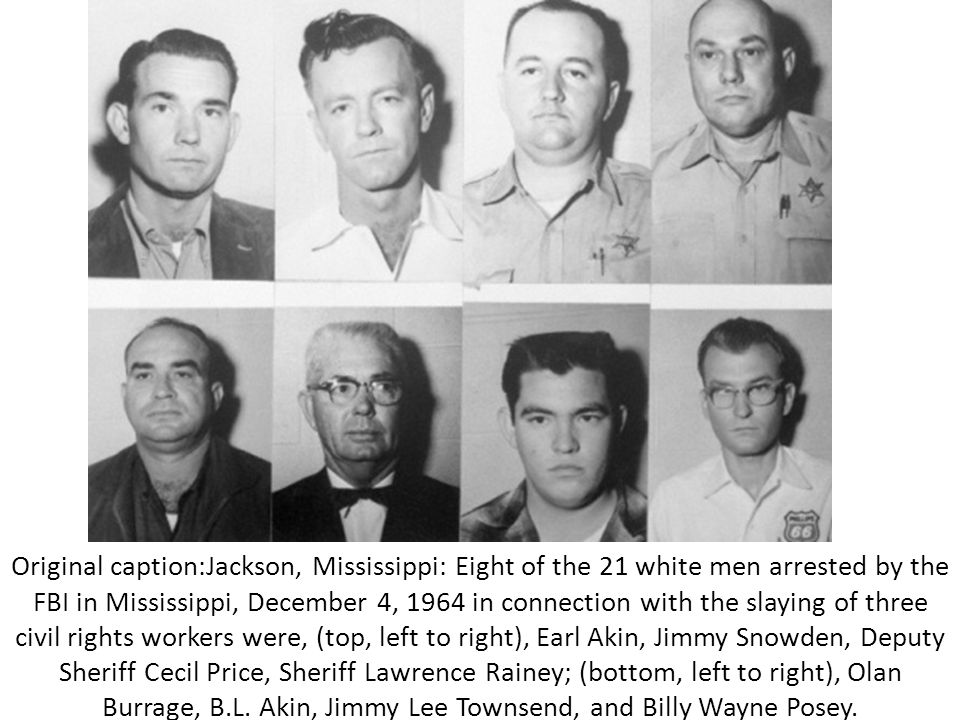
On June 21, 1964, Schwerner, Goodman, and Cheney went to investigate the burning of the Mt. Zion Church in Neshoba county Mississippi by the Klan that served as a Freedom School. They were stopped by Neshoba County Deputy Sheriff Cecil Price just inside the city limits of Philadelphia, the county seat. Price, a member of the KKK who had been looking out for Schwerner or other civil rights workers, threw them in the Neshoba County jail, allegedly under suspicion for church arson. Price kept them in jail for seven hours till late in the evening, denying them a phone call, before he released them on bail. During this time he organized,a plan with his fellow Klan members to murder the activists. Price escorted them out of town on a lonely dirt road and directed never to return. Shortly after exiting the town limits they were chased down by the Klan, pulled over, abducted and murdered. Schwerner and Goodman were shot in the head. Chaney was beaten and castrated before being shot. Their bodies were buried in a newly constructed earthen dam just south of town.
The ensuing FBI search for the three slain civil rights workers grabbed the attention of the nation and finally spotlight on Mississippi’s dreadful record on voting rights and the violent campaign against civil rights that was being waged in that state. On August 4, the remains of the three young men were found. The culprits were identified, but the state of Mississippi made no arrests. With the state unwilling to prosecute the case, nineteen men, including Deputy Price, were indicted on December 4, 1964 by the U.S. Justice Department for violating the civil rights of Schwerner, Goodman, and Chaney (charging the suspects with civil rights violations was the only way to give the federal government jurisdiction in the case). After nearly three years of legal wrangling, in which the U.S. Supreme Court ultimately defended the indictments, the men went on trial in Jackson, Mississippi. Three later an all-white jury found seven men guilty, including Price and KKK Imperial Wizard Sam Bowers. Nine were acquitted, and the jury deadlocked on three others. The mixed verdict was hailed as a major civil rights victory, as no one in Mississippi had ever before been convicted for actions taken against a civil rights worker. None of the convicted men served more than six years behind bars.
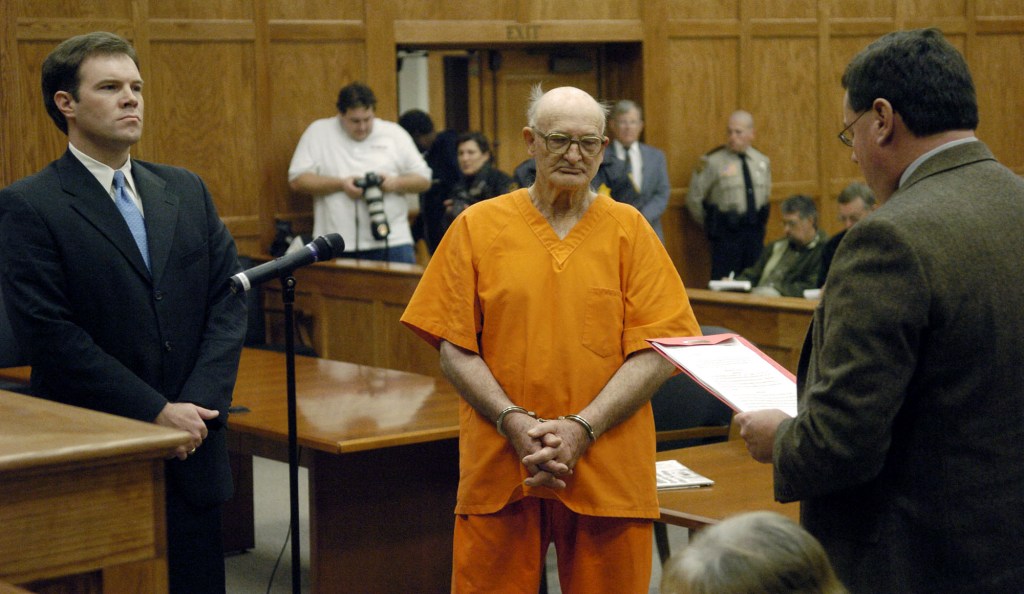
On June 21, 2005, the forty-first anniversary of the three murders, Edgar Ray Killen, was found guilty of three counts of manslaughter for his role in the case. At eighty years of age and best known as an outspoken white supremacist and part-time Baptist minister, he was sentenced to 60 years in prison. He died in prison on January 11, 2018, six days before his 93rd birthday.
Flanked by public defender Chris Collins, left, reputed Ku Klux Klan member Edgar Ray Killen listens as Neshoba County District Attorney Mark Duncan, right, reads the indictment charging Killen with murder in the slayings of three civil rights workers more than 40 years ago, during his appearance in circuit court, Friday, Jan. 7, 2005, in Philadelphia, Miss. (AP Photo/Rogelio Solis)
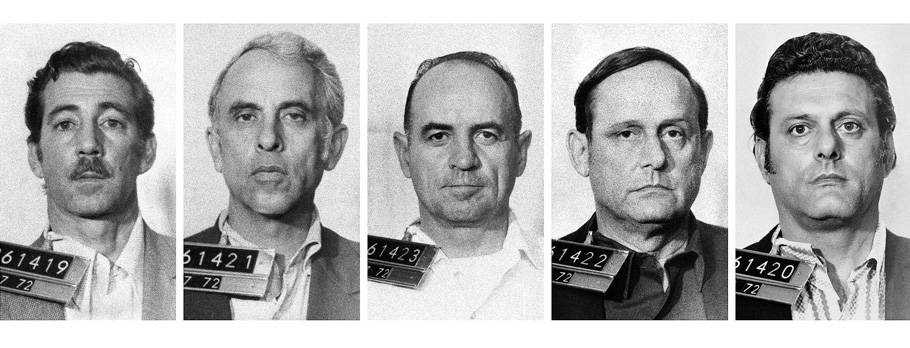
Late in the evening on June 17, 1972, five men were arrested at the National Democratic Headquarters in the Watergate Hotel in Washington DC in what appeared to be a routine burglary at first glance. Follow on investigations revealed that these men—identified as Virgilio Gonzalez, Bernard Barker, James McCord, Eugenio Martinez, and Frank Sturgis— were not your ordinary run of the mill petty criminals but operatives working for the Committee for the Re-election of President Richard Nixon. They had been caught wiretapping phones and stealing documents as part of a larger campaign of illegal activities developed by Nixon aide G. Gordon Liddy to ensure Nixon’s re-election. On September 15, 1972, a grand jury indicted the five office burglars, as well as Liddy and another Nixon aide E. Howard Hunt for conspiracy, burglary, and violation of federal wiretapping laws. President Nixon denied any association with the break-in and most voters believed him, winning re-election in a landslide. At the urging of Nixon’s aides, five pleaded guilty to avoid trial; the other two were convicted in January 1973.
Left: Virgilio Gonzalez, James McCord, Eugenio Martinez, Bernard Barker, and Frank Sturgis
The Wartergate Hotel
Nixon’s passionate denials aside, there was a pervasive sense, as well as evidence, that there was more to this story than simply five low level campaign workers acting independently in criminal activities against their political rivals. There were unanswered questions and numerous threats that all pointed to a darker conspiracy and greater White House involvement. On February 7, 1973, the United States Senate voted unanimously to create a Senate select committee to investigate the 1972 Presidential Election and potential wrongdoings. The committee which consisted of four Democratic and three Republican Senators, was empowered to investigate the break-in and any subsequent cover-up of criminal activity, as well as “all other illegal, improper, or unethical conduct occurring during the Presidential campaign of 1972, including political espionage and campaign finance practices.” Committee hearings were broadcast live on television in May 1973 and quickly became “must see TV” for an inquiring and curious nation. Although Nixon repeatedly declared that he knew nothing about the Watergate burglary, former White House counsel John Dean III testified that the president had approved plans to cover up White House connections to the break-in. Another former aide, Alexander Butterfield, revealed that the president maintained a voice-activated tape recorder system in various rooms in the White House which potentially contained information implicating the President in a criminal conspiracy. Only one month after the hearings began, 67 percent believed that President Nixon had participated in the Watergate cover-up.
Washington Post Reporters Carl Bernstein and Bob Woodward who played a pivotal role in breaking the Watergate story.
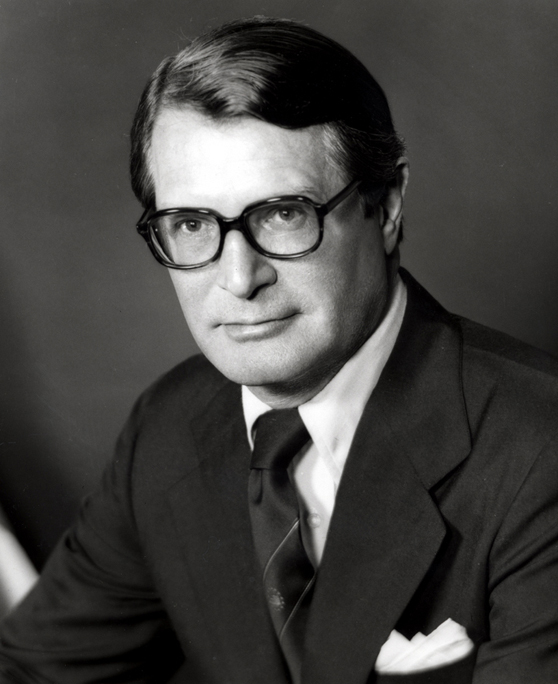
The revelation that there were recordings of potentially damaging information implicating Nixon and his efforts to prevent their disclosure soon became the central drama of the story. Nixon struggled to protect the tapes during the summer and fall of 1973. His lawyers argued that the president’s executive privilege allowed him to keep the tapes to himself, but the Senate committee and an independent special prosecutor named Archibald Cox were all determined to obtain them. On October 20, 1973, after Cox refused to drop the subpoena, Nixon ordered Attorney General Elliot Richardson to fire the special prosecutor. Richardson resigned in protest rather than carry out what he judged to be an unethical and unlawful order. Nixon then ordered Deputy Attorney General William Ruckleshaus to fire Cox, but Ruckelshaus also resigned rather than fire him. Nixon’s search for someone in the Justice Department willing to fire Cox ended with the Solicitor General, Robert Bork. Though Bork said he believed Nixon’s order was valid and appropriate, he considered resigning to avoid being “perceived as a man who did the President’s bidding to save my job”. This chain of events would go down in history as the “Saturday Night Massacre” and further turn the American public against Nixon. Responding to the allegations that he was obstructing justice, Nixon famously replied, “I am not a crook.”
Left: Attorney General ElliotRichardson, Special Prosecutor Archibald Cox, and Deputy Attorney General William Ruckleshaus
Things went from bad to worse for the White House in the new year. On February 6, 1974, the House of Representatives began to investigate the possible impeachment of the President. Less than a month later, on March 1, 1974, a grand jury indicted several former aides of Nixon, who became known as the “Watergate Seven”—H.R. Haldeman, John Ehrlichman, John N. Mitchell, Charles Colson, Gordan C. Strachan, Robert Maridan and Kenneth Parkinson for conspiring to hinder the Watergate investigation. The grand jury secretly named Nixon as an unindicted co-conspirator. However the special prosecutor dissuaded them from an indictment of Nixon, arguing that a president can be indicted only after he leaves office, creating a precedent that lasts even today.
Nixon eventually released select tapes in an effort to tamp down growing public criticisms and perceptions that he was hiding something. The President announced the release of the transcripts in a speech to the nation on April 29, 1974 but noted that any audio pertinent to national security information could be redacted from the released tapes. This caveat almost immediately fueled suspicions that the White House was indeed hiding something more damning. The issue of the recordings and whether the White House was obligated to comply with the Congressional subpoena tapes went to the United States Supreme Court. On July 24, 1974, in United States v. Nixon, the Court ruled unanimously that claims of executive privilege over the tapes were void. The Court ordered the President to release the tapes to the special prosecutor. On July 30, 1974, Nixon complied with the order and released the subpoenaed tapes to the public.
Nixon: “I am not a crook!”
Nixon’s fate was largely sealed on August 5, 1974 when the White House released a previously unknown audio tape that would prove to be a “smoking gun” providing undeniable evidence of his complicity in the Watergate crimes. The recording from June 23, 1972, less than a week after the break-in, revealed a President engaged in in-depth conversations with his aides during which they discussed how to stop the FBI from continuing its investigation of the break-in. Two days later, a group of senior Republican leaders from the Senate and the House of Representatives met with Nixon and presented him with an ultimatum, resign or be impeached.
On August 8, in a nationally televised address, Nixon officially resigned from the Presidency in shame. The following day he and his family departed the White House one last time, boarded Marine One and flew to Andrews Air Force base where they were shuttled back to their home in California. Vice President Gerald Ford was sworn in as President shortly thereafter. He would issue a full and unconditional pardon of Nixon on September 8 immunizing him from prosecution for any crimes he had “committed or may have committed or taken part in” as president.
On June 12, 1963, civil rights activist Medgar Evers was gunned down in his driveway outside his home in Jackson Mississippi by white supremacist and segregationist Byron De La Beckwith. Emerging from his automobile after a late night NAACP meeting, Evers was shot in the back by Beckwith who had been positioned across the street waiting to ambush him. The bullet pierced through his heart but he managed to stagger to his door. Evers’ wife, Myrlie, and his three children—who were still awake after watching an important civil rights speech by President John F. Kennedy—heard the gun shot and hurried outside. They were soon joined by neighbors and police. Evers was rushed to the hospital where he was initially denied admission because of his race. He died less than 50 minutes later at the age of 37. Evers was buried on June 19 in Arlington National Cemetery with full military honors.
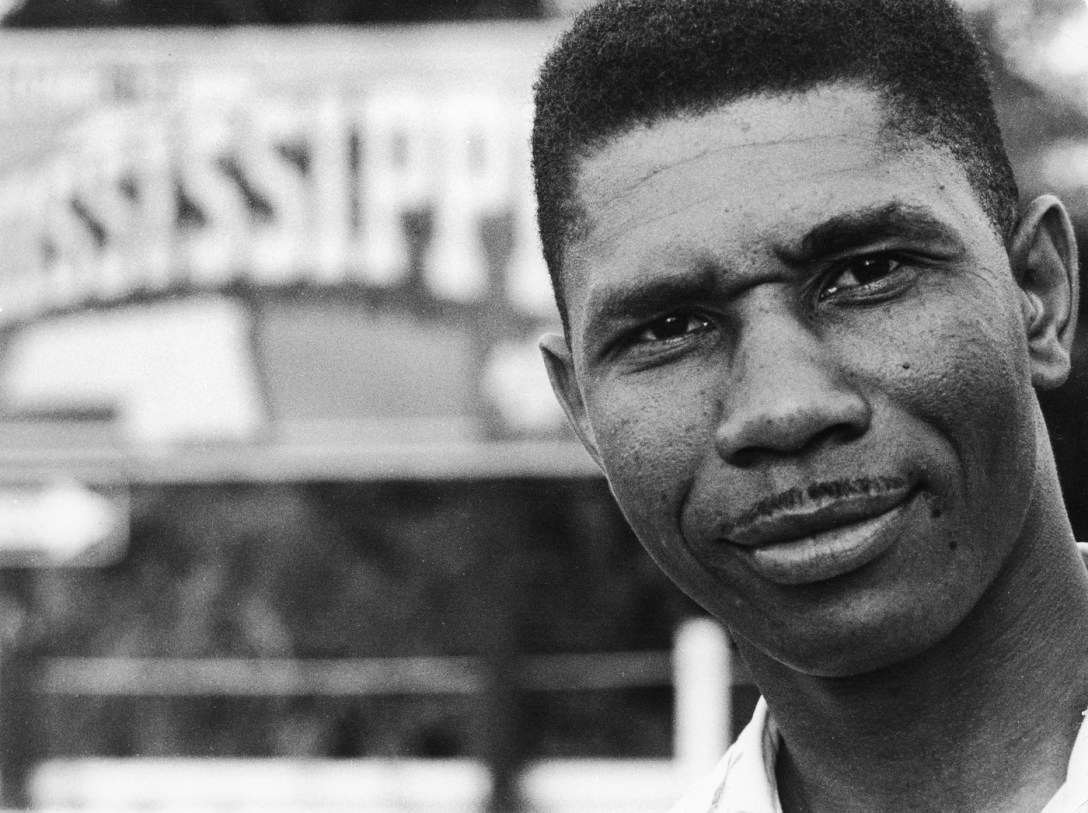
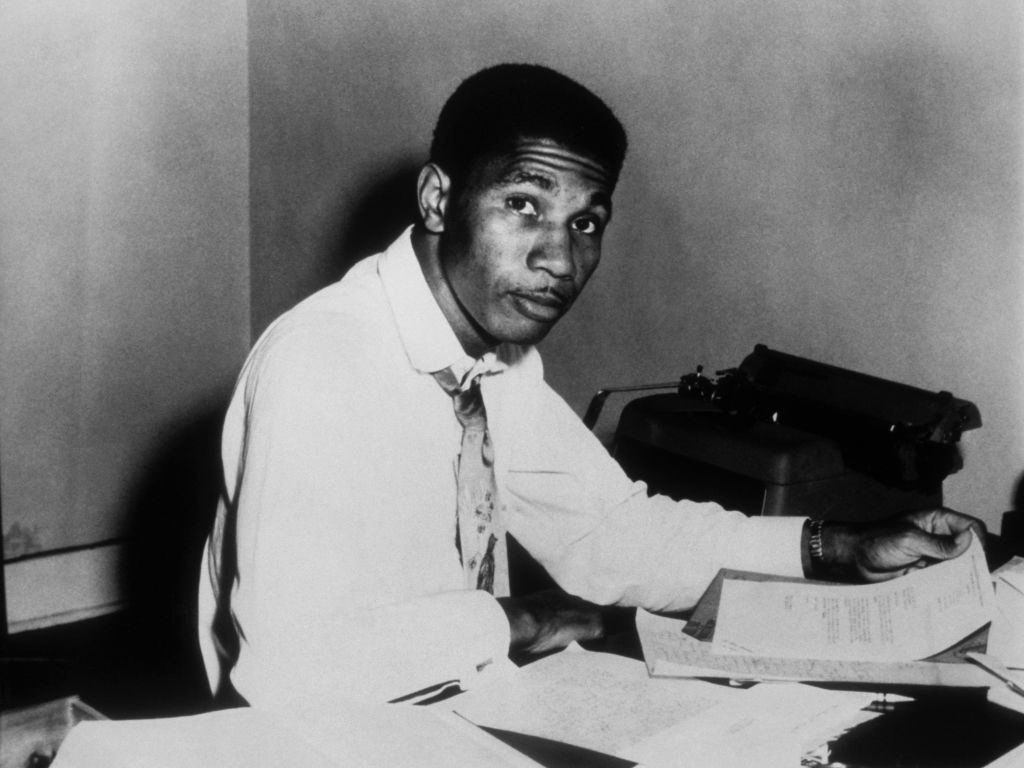
Medgar Evers, the NAACP Field Director for Mississippi
Evers was a decorated World War II veteran who had fought at Normandy in 1944. However, like many other African-American veterans, he returned to a nation that denied him his citizenship rights at the polls. In 1946, Evers attempted to cast a ballot but twenty armed white men, some of whom had been his childhood friends, had learned of his plans to vote and turned up to threaten him. Evers feared for his life. “I made up my mind that it would not be like that again,” he vowed.
Shortly after the landmark Supreme Court ruling in Brown v. Board of Education, Evers volunteered to challenge segregation in higher education and applied to the University of Mississippi School of Law. He was rejected on a technicality, but his willingness to risk harassment and threats for racial justice caught the eye of national NAACP leadership; he was soon hired as the organization’s first field secretary in Mississippi.
Evers was one of Mississippi’s leading civil rights activists. He fought racial injustices in many forms from segregation to how the state and local legal systems handled crimes against African Americans. Evers’ work put him squarely in the crosshairs of the White Citizens Council, a white supremacist group formed in the aftermath of the Brown ruling devoted to preserving segregation. He garnered national attention for organizing demonstrations and boycotts to help integrate Jackson’s privately owned buses, the public parks, Mississippi’s Gulf Coast beaches as well as the Mississippi State Fair. He led voter registration drives, and helped secure legal assistance for James Meredith, a black man whose 1962 attempt to enroll in the University of Mississippi was met with riots and state resistance.
Beckwith was arrested on June 21, 1963 for the murder of Evers but would escape conviction for most of his life, largely due to the racist system of justice that dominated the deep South in the 1960s. He was tried twice in February and April 1964 but in each trial the two all white juries failed to reach a verdict resulting in two mistrials. Beckwith received the support of some of Mississippi’s most prominent citizens, including then-Governor Ross Barnett, who appeared at Beckwith’s first trial to shake hands with the defendant in full view of the jury. After his release Beckwith bragged about his skill with a rifle and hinting to segregationist friends that, indeed, he had killed Evers.
That Beckwith would not be held accountable, while reprehensible, was hardly surprising and consistent with what was increasingly the norm across the South. African-Americans and civil rights activists could expect little legal protection from the courts and law enforcement in the 1960s South which operated largely to preserve segregation and often ignored the facts when white defendants were accused of harming African-Americans. Moreover, most African-Americans were still disenfranchised by Jim Crow laws and therefore ineligible for jury duty. The two white men who murdered fourteen year old Emmet Till eight years earlier for allegedly whistling at a white woman were acquitted . The Ku Klux Klan members that perpetrated the 16th Street Baptist Church bombing in Birmingham, Alabama later that year also escaped justice. The same for the murderers of three civil rights workers in Mississippi the following year.
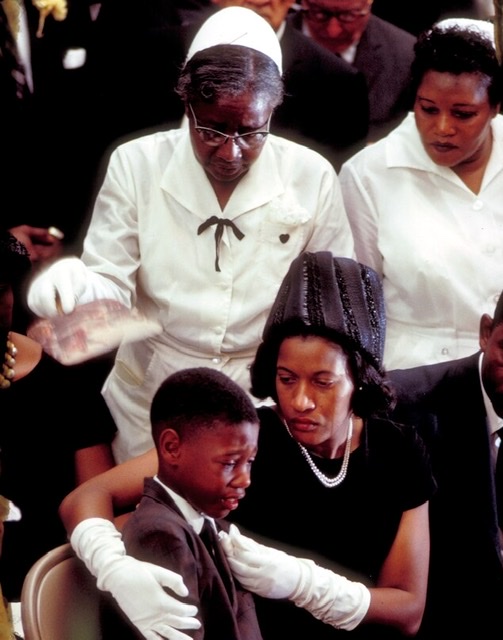
Mylie Evers and son Daniel Kenyatta Evers at Medgar Evers’ funeral
Evers’ assassin, the unrepentant Byron De La Beckwith
Evers was one of Mississippi’s leading civil rights activists. He fought racial injustices in many forms from segregation to how the state and local legal systems handled crimes against African Americans. Evers’ work put him squarely in the crosshairs of the White Citizens Council, a white supremacist group formed in the aftermath of the Brown ruling devoted to preserving segregation. He garnered national attention for organizing demonstrations and boycotts to help integrate Jackson’s privately owned buses, the public parks, Mississippi’s Gulf Coast beaches as well as the Mississippi State Fair. He led voter registration drives, and helped secure legal assistance for James Meredith, a black man whose 1962 attempt to enroll in the University of Mississippi was met with riots and state resistance.
Evers’ home and the driveway where he was shot
Evers’ assassination was a pivotal moment in the Civil Rights movement, a bloody milestone in the fight for racial equality that began with the murder of 14 year-old Emmett Till eight years earlier. It would also prove to be a harbinger of the assassination of Martin Luther King, Jr. by James Earl Ray five years later.
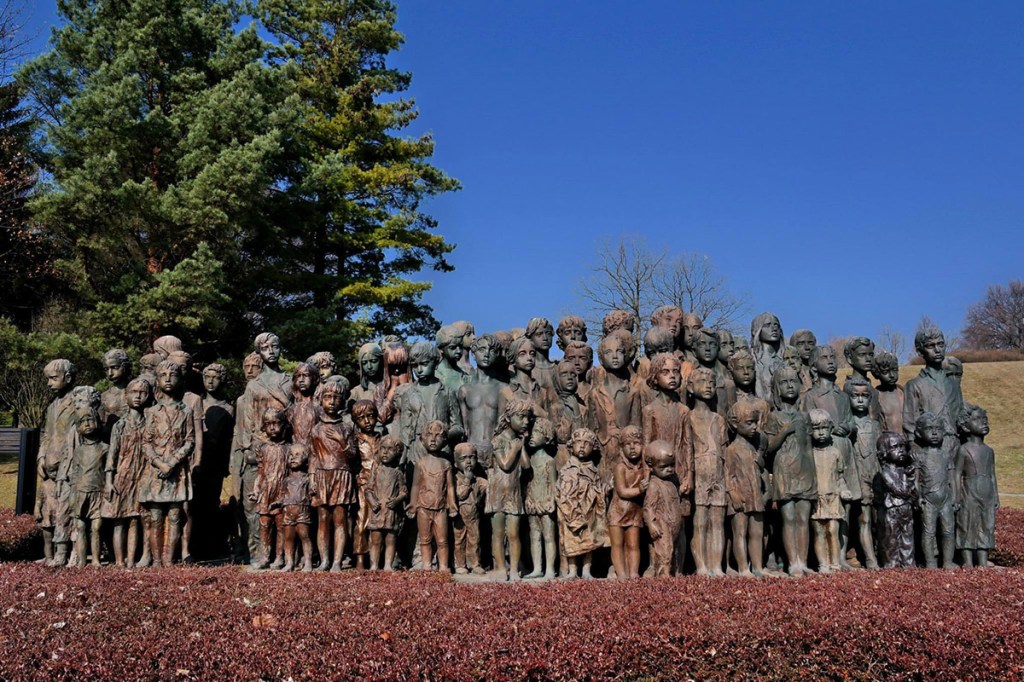
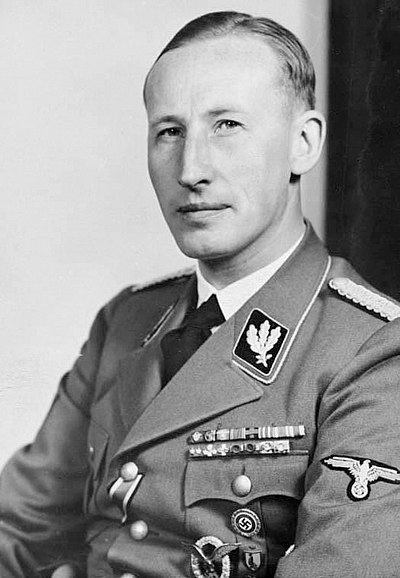
On June 10, 1942, the entire Czechoslovakian village of Lidice was wiped from from the face of the earth in retaliation for the assassination of SS leader Reinhard Heydrich by the Czech underground three weeks earlier. All 172 men and boys over the age of 16 were shot and killed. The women of the village were all sent to the Ravensbruck concentration camp where most died. Ninety young children were sent to the concentration camp at Gneisenau, with some later taken to Nazi orphanages if they were German looking. The Nazis then proceeded to raze the village until not a trace of it remained. All homes were destroyed, trees were chopped down, animals were killed, and even the cemetery was demolished. Soon, all that remained of Lidice was an empty field. It was as if it never existed.
A memorial to the murdered children of Lidice
Adolf Hitler personally ordered the destruction of Lidice. One account claims that Hitler randomly pointed to a village on a map as the target of his vengeance and Lidice was the unfortunate victim. Other more likely accounts, claim that Lidice was selected because the village had harbored and aided Heydrich’s assassins.
Heydrich, who organized the Kristalnacht attacks against German Jews in pre-war Germany and was the primary architects of the Final Solution, was probably one of the most barbarous and heinous of all the Nazis, demonstrating clear sociopathic tendencies, even by Nazi standards. In addition, to serving as the head of the SS, Heydrich was also acting as “Reichsprotektor,” or Governor, of what the Nazis called the protectorate of Bohemia and Moravia. The Nazis had occupied Czechoslovakia since April 1939. In 1940, they carved out the independent puppet state of Slovakia and absorbed the remaining Czech lands into the Greater German Reich.
Heydrich was one of Hitler’s favorite lieutenants and was sent to Prague near the end of September 1941 and tasked with suppressing rising anti-German sentiment and keeping up production quotas of Czech motors and arms that were “extremely important to the German war effort. Heydrich’s methods were brutal. Within two months of arriving, Heydrich established Protectorate special courts, which sentenced 342 people to be executed. Another 1,200 citizens were handed over to the Gestapo for imprisonment. A large number of Czechs were used as forced labor to support the German war effort while Heydrich set out to erase all signs of Czech national identity. Heydrich told his staff, “We will Germanize the Czech vermin.” To this end, he set in motion a multi-faceted plan. Heydrich ordered teams of doctors and technicians to conduct racial blood tests to determine which Czechoslovakians were “capable of becoming Germans.” At the same time, he sought to systematically dismantle Czechoslovakian culture and history and replace it with a Germanized version. Heydrich was very clear about his eventual goal: “This entire area will one day be definitely German, and the Czechs have nothing to expect here.” Eventually up to two-thirds of the populace were to be either deported to Russia or exterminated after Nazi Germany won the war.
Operation Anthropoid
In 1942, the Nazi occupation of Czechoslovakia was beginning to seem like it would last forever. The Czech government in exile in London was determined to kill Heydrich and end his brutal assault upon the Czech nation. Together with the British Special Operations Executive (SOE) they devised Operation Anthropoid.
In December 1941, two soldiers from the Czechoslovak army in exile, one Czech, Jan Kubis, and one Slovak, Jozef Gabcik, secretly parachuted into the former Czechoslovakia intending to kill Heydrich. Several plans had been under consideration but were deemed impractical. Eventually they decided on a plan to assassinate him as he was being driven to work.
Left: Jan Kubis,Right Jozef Gabcik
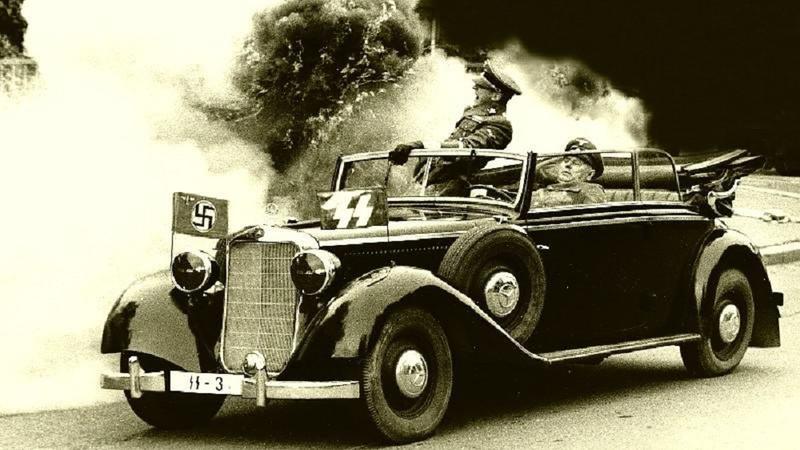
At 10:30 on 27 May 1942, Heydrich and his driver set off on their daily commute to Prague Castle in the center of the city. It was a nine mile journey that included a very sharp turn that required vehicles to slow down in order to safely navigate it. Here Kubis and Gabcik planned to ambush Heydrich. As Heydrich’s vehicle approached the turn and slowed down as expected, Gabčík, dropped his raincoat and raised his Sten submachine gun and, at close range attempted to shoot Heydrich, but the gun jammed. As the car passed, Heydrich made an ultimately fatal error; instead of ordering his driver to accelerate, he stood up and drew his Luger pistol yelling at the driver to halt.
As the Mercedes braked in front of him, Kubiš, who was not spotted by Heydrich or Klein, threw a modified explosive at the car; he misjudged his throw. Instead of landing inside the car, it landed against the rear wheel. Nonetheless, the bomb severely wounded Heydrich. Both the wounded Heydrich and his driver leaped from their vehicle a chasing after their would-be assassins. The driver ran towards Kubiš, who was also staggered by the explosion, but he recovered in time to jump on his bicycle and pedal away. Heydrich was now engaged in a shootout with Gabcik but he suddenly collapsed from the pain of his wounds allowing Gabcik to escape. Heydrich would succumb to his wounds on June 4.
Kubiš, Gabcik, and several other Czech partisans were eventually tracked down to the Saints Cyril and Methodius Cathedral in Prague. 750 SS soldiers descended on the Cathedral where a massive firefight ensued as the men hunkered down in the crypt and the prayer loft of the Cathedral. The Nazis were unable to take the men alive, and the standoff resulted in the deaths of them all, by both suicide and injuries sustained from the firefight.

















 Tragedy and Farce