Justice Not Served: The Death of Emmett Till, August 28, 1955

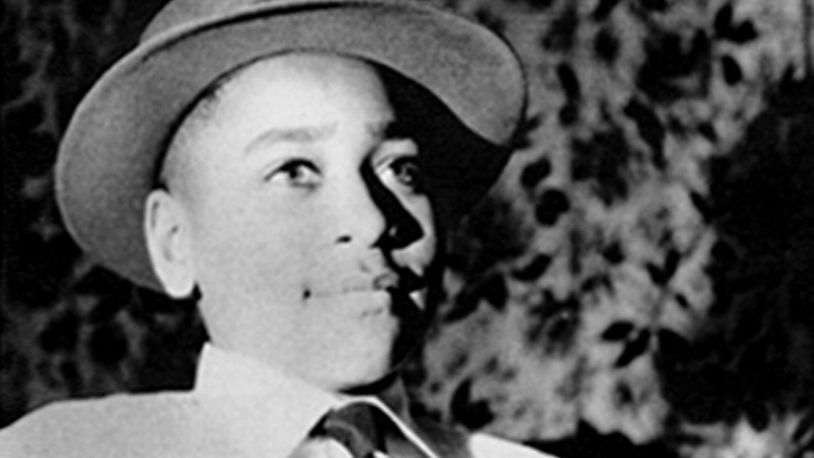
On August 28, 1955,  a fourteen year old African-American boy from Chicago, Emmett Till, was kidnapped, brutally murdered and tossed into the Tallahatchie River for allegedly whistling at a white women in a lewd manner while visiting his relatives in Mississippi. Till’s murder would spark a wave of righteous indignation across the nation because of sheer brutality of the lynching and the young age of the victim and become the catalyst for what would become known as the Civil Rights movement.
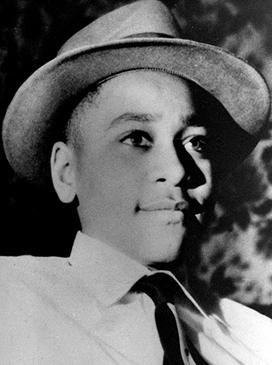
The summer of 1955 was a hot one in the United States. Racial tensions were on the rise in the wake of the Supreme Court’s landmark decision in the case of Brown v. Board of Education which declared race-based segregation unconstitutional. Bitter and angry Southern whites vowed a campaign of “massive resistance” to counter the court’s orders to desegregate and other threats to what they perceived as their way of life. In the months before Till’s murder, Rev. George Lee and Lamar Smith were separately shot and killed in Mississippi after helping organize black voter-registration drives. It was against this backdrop that Mamie Till sent her only child to visit her relatives in Money, Mississippi, hoping to escape the boredom of another Chicago summer. Before he left for Mississippi, Mrs. Till urged her son to be careful and to watch how he behaved in front of white people there because Chicago and Mississippi were completely different. “Even though you think you’re perfectly within your right, for goodness sake take low,” she said, according to subsequently published accounts. “If necessary, get on your knees and beg apologies.”

Till arrived at his uncle Mose Wright’s home on August 21. Three days later, he and his two cousins, had skipped church where their uncle was preaching and instead headed to the local grocery store to buy some candy. The grocery store mostly served the local sharecropper population and was owned by a poor white couple, 24-year-old Roy Bryant and his 21-year-old wife Carolyn. Carolyn Bryant was alone in the front of the store that day; her sister-in-law was in the rear of the store watching children. What actually happened on August 21 is subject to multiple conflicting accounts but most claim that Till had whistled at Bryant or had engaged in some other lewd advance, something that was a serious taboo in the Jim Crowe South. Bryant stormed out of the store and warned she was going to get a pistol.
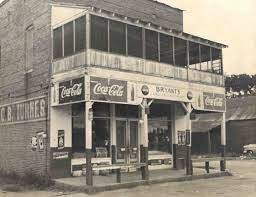
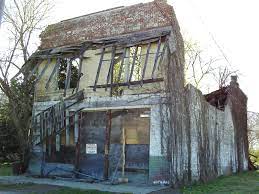
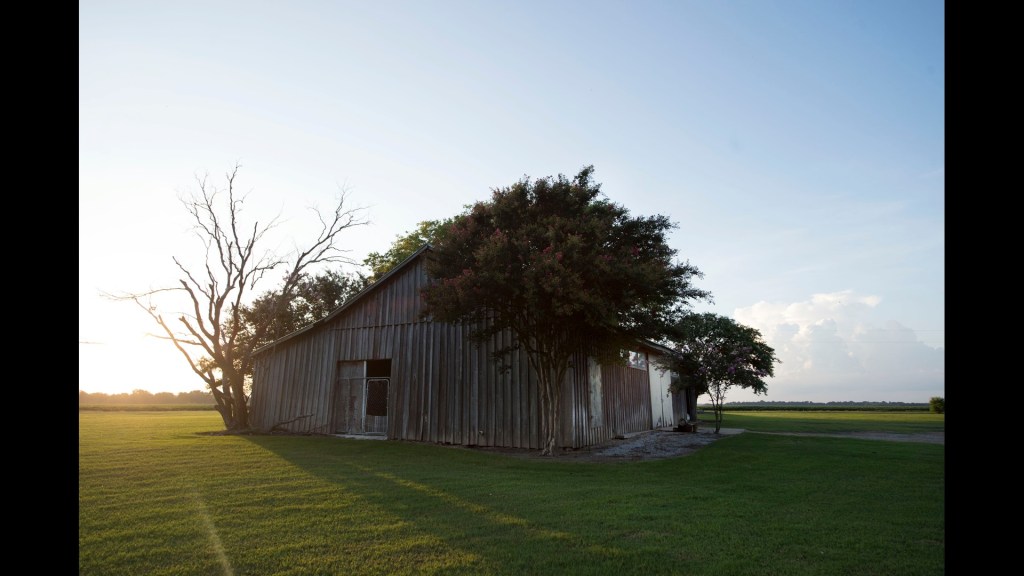
Till and his cousins immediately understood the gravity of the situation. They quickly fled the scene at the urging of some of the older men around town hoping to avoid any unwanted violence. Till refrained from telling his uncle what had happened, fearful that he might incur a reprimand and pleaded to return home to Chicago. A few days later, Roy Bryant and his half brother , J.W. Millam went to Mose Wright’s home, in the dead, of night, and abducted the terrified 14-year old at gun point. They marched Till to the back of their pick up truck and tied him up before driving off to an isolated barn where they proceeded to teach the young boy a deadly lesson. There they viciously beat Till as the boy begged for his mother. They poked out his eye, shot him in the head, and tied a 75-pound cotton-gin fan to his neck with barbed wire before tossing his body into the Tallahatchie River with no remorse for what they had done.
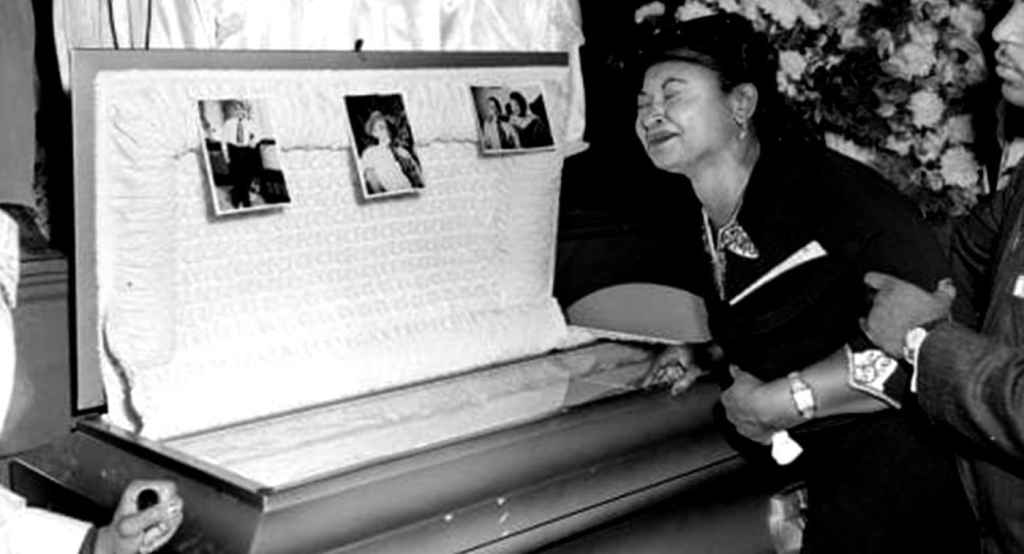
When Till’s body was pulled from the Tallahatchie river, his mother could barely identify her son. Nevertheless, Mamie Till was determined that her only son would not die in vain. Mississippi officials pressured her to burry Emmett in Mississippi in a closed casket ceremony hoping to avoid a spectacle. Mamie Till ignored the pressure and brought Emmett Till’s badly disfigured body back to Chicago where she held an open casket funeral hoping to capture the nation’s attention and shine a spotlight on the deep racism and white supremacist violence directed at African-Americans in the South. The train carrying Till’s body was greeted by large crowds while over 200,000 people paid their respects during the four days of public viewings. Jet Magazine published an expose of photos of Till’s mangled body and his grieving mother at the funeral that went reverberated across the nation and around the world. These images would accelerate the civil rights movement and inspire African-American Americans to put life and limb at risk in pursuit of racial equality and justice. Less than six months later, an African-American woman in Montgomery Alabama named Rosa Parks was arrested and fined for refusing to give her bus seat to a white passenger. When asked why she refused to move Parks explained that she thought about going to the back of the bus but then she thought about Emmett Till and she couldn’t do it.

Within a day after Till’s disappearance, both Bryant and Millam were arrested but the chances of two white men being convicted of murdering an African-American boy in 1950s Mississippi were somewhere between slim and none. The two men were put on trial in September and battle lines were quickly drawn. Every lawyer in the county donated their services and $10,000 was collected from local businessmen in support of Bryant and Millam’s defense. Moreover, many whites showed up to watch the trial, bringing their children, picnic baskets and ice cream cones. Meanwhile, African American spectators were relegated to the back and looked on in fear. Neither Bryant nor Millam would be called to the stand to testify and they would eventually be acquitted by an all white male jury after only 67 minutes of deliberations. Jurors later admitted in interviews that although they knew Bryant and Milam were guilty of Till’s murder, they did not think imprisonment or the death penalty were appropriate punishments for white men who had killed a black man. After the verdict was read, Bryant and Millam defiantly walked out of the courtroom lit up cigars and kissed their wives in celebration.

Left: J.W. Milam and his wife Right: Roy Bryant and Carolyn Bryant

Months later, the two men confessed to killing Till in an interview with Look magazine in exchange for $4,000, however, because of the precedent of double jeopardy in U.S. law, they were never tried again for the murder. In 2017, Carolyn Bryant recanted her testimony, admitting that Till had never touched, threatened or harassed her. “Nothing that boy did could ever justify what happened to him,” she said.
The Failed Soviet Coup: August 19-21, 1991

Thirty years ago this week, Soviet hardliners carried out an ill-fated attempt to overthrow Soviet President Mikhail Gorbachev, seeking to stave off what they perceived as the looming disintegration of the Soviet Union. In doing so, these coup plotters unleashed powerful centrifugal forces, accelerating the outcome they sought to prevent. Four months later, the hammer and sickle flag of the Soviet Union was lowered from the Kremlin for the last time; and with it, the country passed into what Leon Trotsky famously called the “dustbin of history.”

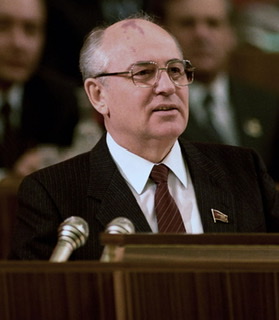
Mikhail Gorbachev

In March 1985, Gorbachev came to power inheriting a country that was clearly at risk of falling behind and badly in need of systemic reform. Gorbachev’s twin policies of Glasnost and Perestroika were largely aimed at reforming the Soviet system to make it more responsive to the needs of the state and the Soviet people. However, instead of revitalizing the country, they would undermine the foundational institutions that kept the system afloat. Gorbachev’s tinkering around the margins of the Soviet command economy always fell short of the structural reforms needed to breathe new life into the system. His “new thinking” in Soviet foreign policy, which was intended to create an international environment more conducive to internal reforms, would lead to a relaxation in Cold War tensions and most importantly the collapse of communist rule in Eastern Europe. However, in the end, all it achieved was to ensure that Gorbachev would be remembered more fondly abroad than at home.

It was Gorbachev’s opening up of the Soviet political system which would ultimately lead to the country’s demise. For decades, Soviet leaders ruled with an iron hand stamping out any dissension or opposition the deemed a threat to their socialist state but such practices also contributed to the overall stagnation of the country. In promoting his concept of Glasnost, which loosely translates into openness, Gorbachev sought to encourage debate and the exchange of ideas that might produce new solutions to the country’s problems, Grant the Soviet people more freedom, and to put a “human face” on the Soviet system by making it less repressive. Instead these reforms raised uncomfortable questions about Soviet history, created new platforms for regime critics and opponents to challenge Soviet central authority, and unleashed pent up ethnic nationalism that undermined the legitimacy of the state and the instruments of coercion that Soviet leaders relied on to keep everything in order.

Coup instigators Alexander Tizyakov, Vasily Starodubtsev,  Boris Pugo, Gennady Yanayev and Oleg Baklanov announce Gorbachev’s “illness” and the imposition of a State of Emergency.

For all intents and purposes, it was the growing demands for independence among the non-Russian Soviet Socialist Republics and Gorbachev’s consent to sign a new Union treaty that would devolve more power and authority to the republics than the center propelled the coup plotters into action. Soviet leaders, much like the Russian Czars, had long seen ethnic nationalism as a threat to the territorial integrity and cohesion of the state and once Gorbachev let this genie out of the bottle, he found it increasingly difficult to push it back in. Unwilling to resort to the large scale use of violence to keep the country together, especially after the fallout from the January 1991 Soviet military crackdown in Lithuania, Gorbachev agreed to hand over more power and authority to the republics as a price to keep the country together.

Determined to stymie any plans for a new Union treaty, the coup plotters moved to detain Gorbachev on the evening of August 18 while at his dacha in Crimea. They demanded that Gorbachev declare a state of emergency or resign and name Soviet Vice President Gennady Yanaev acting President in order to restore order. Gorbachev refused. The following day the coup plotters, now calling themselves “the State Committee for the State of Emergency”, appeared on television and announced that Gorbachev was ill and that they were taking over.

Soviet tanks on the streets of Moscow


The coup attempt was poorly conceived and executed from the outset but it’s failure was not a foregone conclusion. When the coup conspirators appeared on stage the following day to announce Gorbachev had resigned and they were taking over some were nervous and visibly shaken. For example, Prime Minister Valentin Pavlov was sweating and trembling profusely demonstrating clear signs of hypertension and stress, which did not convey confidence. At the same time the coup plotters failed to arrest President of the Russian republic, Boris Yeltsin, who had become a fierce critic and thorn in the side of the Soviet leadership. The position of the President of Russia was a fairly new one, a direct result of Gorbachev’s reforms, and Yeltsin was using the post to challenge the a legitimacy of the Soviet authorities. KGB Chairman Vladimir Kryuchkov ordered the elite KGB Alpha commandos to surround Yeltsin’s residence. However, Yeltsin and his people had gotten word of what was happening and he fled just before the Alpha commandos arrived.

Hundreds of tanks and armored vehicles poured into downtown Moscow in a massive show of force but the Soviet military was divided in its loyalties, despite Defense Minister Yazov and other senior defense officials being part of the coup. In 1957, the Soviet military played a key role in squashing a move by rival Communist Party officials to oust Khrushchev but the military was not asked to fire on their own people. By 1991, however, the Soviet military had been called on to use violence to suppress domestic unrest in Georgia, Azerbaijan, and Lithuania and there was little appetite within the military to play a greater role in domestic politics. Although there was a clash between some Soviet troops and protestors that left three dead, the military, for the most part, sought to straddle the fence looking for indicators of who was likely to prevail.

Ultimately, Yeltsin proved to be the pivotal figure in this drama. The photo of Yeltsin atop a Soviet tank outside the Russian White House, rallying the resistance to the coup became the defining image of this ordeal. Yeltsin’s courage and leadership would inspire over 200,000 people in Moscow to take to the streets in defiance of the coup plotters. On August 20, the conspirators ordered the KGB’s elite Alpha and Vymple commandos, paratroopers, and OMON forces to storm the White House. These orders were rejected when it was clear these forces were outnumbered and any action would lead to considerable blood shed. Facing unexpected large scale resistance, and unresponsive instruments of coercion, the coup plotters began to lose their nerve and the conspiracy began to unravel.

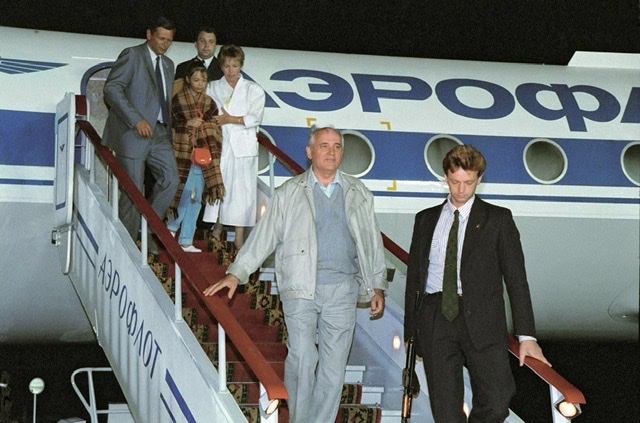
On August 21, KGB Chairman Kryuchkov and several other conspirators flew to Crimea to meet with Gorbachev to negotiate a way out of the mess they created. Gorbachev refused. That afternoon Defense Minister Yazov ordered all military units to withdraw from Moscow. Around 5:00 pm Yanayev signed a decree dissolving the State Committe for the State of Emergency and it was clear the coup had failed. The following day Gorbachev returned to Moscow and the coup plotters were arrested.

Gorbachev returning from Crimea

In the end, the coup plotters accelerated the outcome that they so earnestly sought to prevent. Over the next several months, Yeltsin and Gorbachev would battle for primacy as Gorbachev sought to preserve Soviet central authority while Yeltsin tried to seize more power and authority for the institutions of the Russian republic. At the same time, the non-Russian republics increasingly declared their independence from Moscow. The fate of the Soviet Union was ultimately decided on December 1, 1991, when the people of Ukraine voted overwhelmingly in favor of independence. It was now clear that the Soviet Union could no longer be preserved, despite Gorbachev’s best efforts. A week later Yeltsin and the new presidents of Belarus and Ukraine met just outside of Minsk and agreed to dissolve the Soviet Union and replace it with a much weaker and uncertain arrangement, the Commonwealth of Independent States.


Woodstock, August 15, 1969

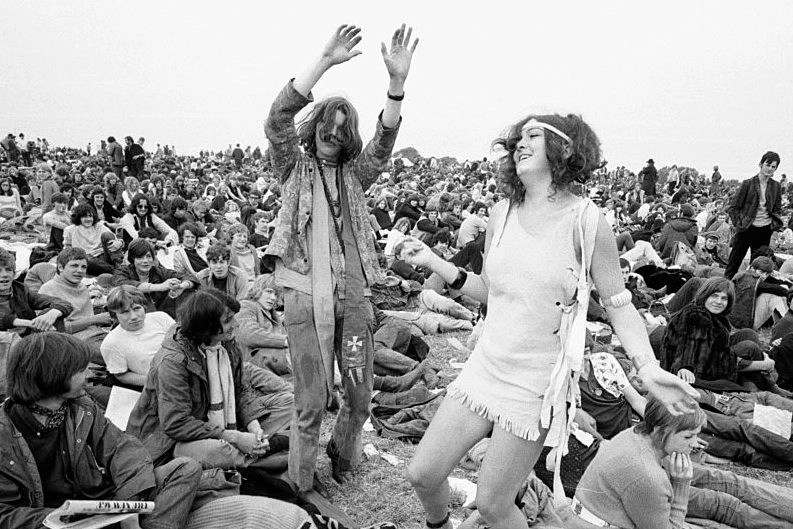
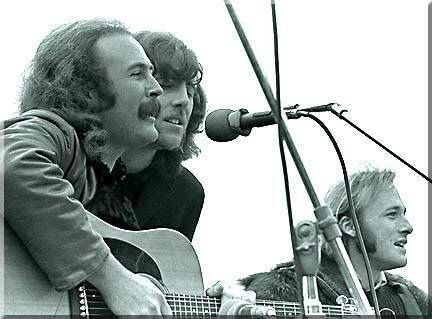
On August 15, 1969, over 400,000 people gathered at Max Yasgur’s dairy farm in upstate New York for three days of peace, love, and music that would forever be known simply as Woodstock. The festival organizers never envisioned that their event would draw over 400,000 people. They had anticipated at most 25,000-30,000 and as a result the facilities were not equipped to provide sanitation or first aid for the number of people attending; hundreds of thousands found themselves in a struggle against bad weather, food shortages, and poor sanitation. As the number of attendees exploded and traffic on the New York highways heading to the festival continued to grow, New York Governor Nelson Rockefeller threatened to call out the National Guard. Nevertheless, the event remained largely peaceful.

Ritchie Havens opened the first day of the event on Friday afternoon at 5pm. The first day was some what low key featuring a number of folk artists and solo acts. It was headlined by Havens, Melanie and Joan Baez. Baez, who was six months pregnant, closed the first day of the festival around 2:00 am.

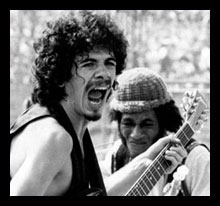
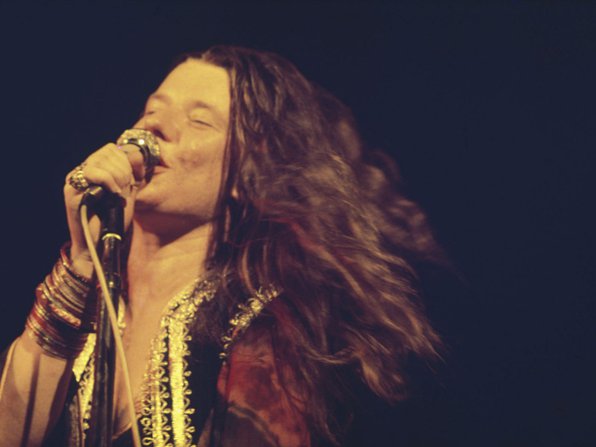
The second day began around noon. Santana was the first big name act to take the stage around 2:00 pm. Their set would be highlighted by a stunning performance of Soul Sacrifice, in which Carlos Santana would show off his guitar mastery. Other day two performers included The Who, Creedence Clearwater Revival, Janis Joplin and the Grateful Dead, who would play a 50 minute long version of “Turn on your Love Light.” The Jefferson Airplane would close out the second day schedule around 8:00 am the following day with Grace Slick prancing around the stage in a white jump suit belting out lyrics that would come to define a generation, “When the truth is found to be lies and all the joy within you dies….”

Day three was threatened by more rain but in some ways is the most memorable. Joe Cocker opened the last day followed by Country Joe MacDonald and the Fish, Ten Years After, the Band and Crosby Stills Nash and Young. Jimi Hendrix would close out the festival with his memorable rendition of the Star Spangled Banner.

Woodstock would go down as a seminal event in music history but for all the big name acts that attended a number of prominent bands were invited but declined the invitation. The Rolling Stones would pass because Mick Jagger was making a film in Australia and Keith Richards girlfriend Anita Pallenberg had just given birth. The Doors were invited but chose not to attend believing the event would be a cheap knock off of the 1967 Monterey Pop Festival. Bob Dylan demurred because he had signed on to do the Isle of Wight festival later in the month. Joni Mitchell would pass on the event on the advice of her manager because of a previously scheduled appearance on the Dick Cavett show. She would later compose the song “Woodstock” inspired by what she saw on television. 

“Well, I came upon a child of God

He was walking along the road

And I asked him, “Tell me, where are you going?”

And this he told me

Said, “I’m going down to Yasgur’s Farm

Gonna join in a rock ‘n’ roll band

Got to get back to the land

Set my soul free”

Joni Mitchell

Nixon Resigns! August 9, 1974

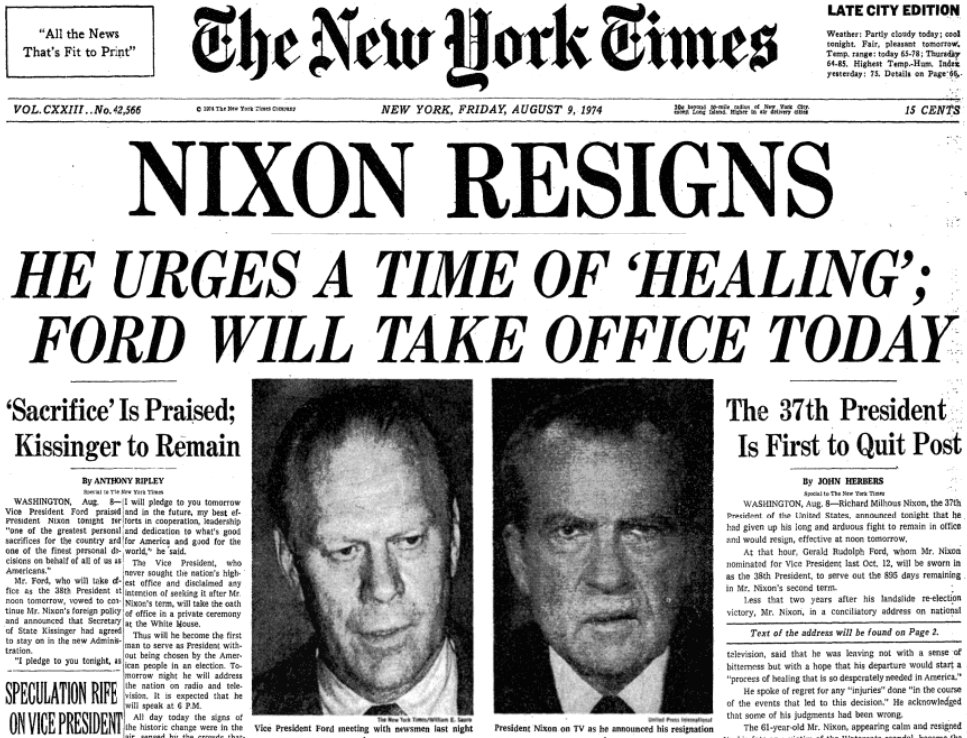
On August 9, 1974, President Richard M. Nixon departed departed the White House for the last time, bringing to an end the two year long national nightmare known as the Watergate Scandal.  Facing certain impeachment and removal from office, Nixon resigned the prior evening in a prime time television broadcast to avoid the humiliation. Driven by Nixon’s paranoia and insecurity, it was a scandal that would rope in presidential aides at the highest level and eventually be traced back to the President himself. Fundamental principles of American Democracy, such as the rule of law, would come under fire from a President determined to evade responsibility for any criminal wrongdoing. The Watergate Scandal would forever change the course of American politics shattering the American public’s trust and confidence in its leaders and institutions. 

In the Beginning…

Late in the evening on June 17, 1972, five men were arrested at the National Democratic Headquarters in the Watergate Hotel in Washington DC  in what appeared to be a routine burglary at first glance. Follow on investigations revealed that these men—identified as Virgilio Gonzalez, Bernard Barker, James McCord, Eugenio Martinez, and Frank Sturgis— were not your ordinary run of the mill petty criminals but operatives working for the Committee for the Re-election of President Richard Nixon.  They had been caught wiretapping phones and stealing documents as part of a larger campaign of illegal activities developed by Nixon aide G. Gordon Liddy to ensure Nixon’s re-election. On September 15, 1972, a grand jury indicted the five office burglars, as well as Liddy and another Nixon aide E. Howard Hunt for conspiracy, burglary, and violation of federal wiretapping laws. President Nixon denied any association with the break-in and most voters believed him, winning re-election in a landslide. At the urging of Nixon’s aides, five pleaded guilty to avoid trial; the other two were convicted in January 1973.

Left: Virgilio Gonzalez, James McCord, Eugenio Martinez, Bernard Barker, and Frank Sturgis

Nixon’s passionate denials aside, there was a pervasive sense, as well as evidence, that there was more to this story than simply five low level campaign workers acting independently in criminal activities against their political rivals. There were unanswered questions and numerous threats that all pointed to a darker conspiracy and greater White House involvement. On February 7, 1973, the United States Senate voted unanimously to create a Senate select committee to investigate the 1972 Presidential Election and potential wrongdoings. The committee which consisted of four Democratic and three Republican Senators, was empowered to investigate the break-in and any subsequent cover-up of criminal activity, as well as “all other illegal, improper, or unethical conduct occurring during the Presidential campaign of 1972, including political espionage and campaign finance practices.” Committee hearings were broadcast live on television in May 1973 and quickly became “must see TV” for an inquiring and curious nation. Although Nixon repeatedly declared that he knew nothing about the Watergate burglary, former White House counsel John Dean III testified that the president had approved plans to cover up White House connections to the break-in. Another former aide, Alexander Butterfield, revealed that the president maintained a voice-activated tape recorder system in various rooms in the White House which potentially contained information implicating the President in a criminal conspiracy. Only one month after the hearings began, 67 percent believed that President Nixon had participated in the Watergate cover-up.

The Scene of the Crime: The Watergate

The Saturday Night Massacre

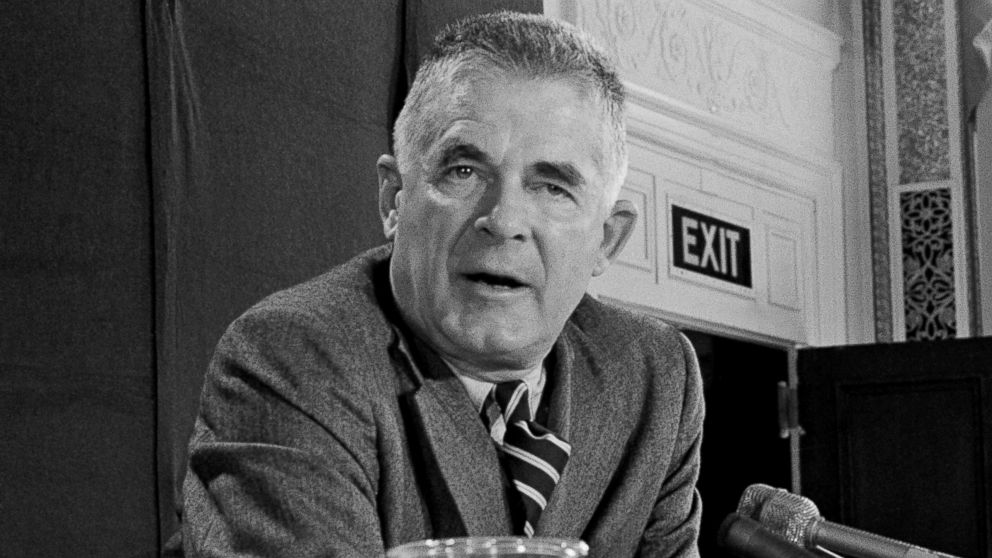
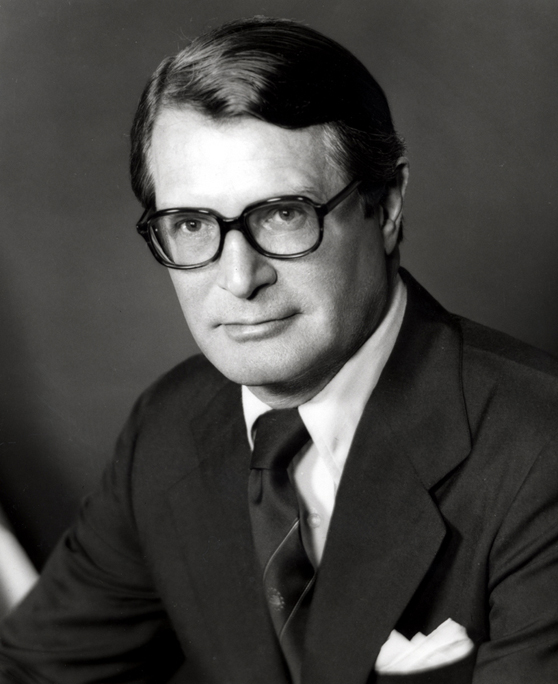
The revelation that there were recordings of potentially damaging information implicating Nixon and his efforts to prevent their disclosure soon became the central drama of the story. Nixon struggled to protect the tapes during the summer and fall of 1973. His lawyers argued that the president’s executive privilege allowed him to keep the tapes to himself, but the Senate committee and an independent special prosecutor named Archibald Cox were all determined to obtain them. On October 20, 1973, after Cox refused to drop the subpoena, Nixon ordered Attorney General Elliot Richardson to fire the special prosecutor. Richardson resigned in protest rather than carry out what he judged to be an unethical and unlawful order. Nixon then ordered Deputy Attorney General William Ruckleshaus to fire Cox, but Ruckelshaus also resigned rather than fire him. Nixon’s search for someone in the Justice Department willing to fire Cox ended with the Solicitor General, Robert Bork. Though Bork said he believed Nixon’s order was valid and appropriate, he considered resigning to avoid being “perceived as a man who did the President’s bidding to save my job”. This chain of events would go down in history as the “Saturday Night Massacre” and further turn the American public against Nixon. Responding to the allegations that he was obstructing justice, Nixon famously replied, “I am not a crook.”

Things went from bad to worse for the White House in the new year. On February 6, 1974, the House of Representatives began to investigate the possible impeachment of the President. Less than a month later, on March 1, 1974, a grand jury indicted several former aides of Nixon, who became known as the “Watergate Seven”—H.R. Haldeman, John Ehrlichman, John N. Mitchell, Charles Colson, Gordan C. Strachan, Robert Maridan and Kenneth Parkinson for conspiring to hinder the Watergate investigation. The grand jury secretly named Nixon as an unindicted co-conspirator. However the special prosecutor dissuaded them from an indictment of Nixon, arguing that a president can be indicted only after he leaves office, creating a precedent that lasts even today.

No Way Out

Nixon eventually released select tapes in an effort to tamp down growing public criticisms and perceptions that he was hiding something. The President announced the release of the transcripts in a speech to the nation on April 29, 1974 but noted that any audio pertinent to national security information could be redacted from the released tapes. This caveat almost immediately fueled suspicions that the White House was indeed hiding something more damning. The issue of the recordings and whether the White House was obligated to comply with the Congressional subpoena tapes went to the United States Supreme Court. On July 24, 1974, in United States v. Nixon, the Court ruled unanimously that claims of executive privilege over the tapes were void. The Court ordered the President to release the tapes to the special prosecutor. On July 30, 1974, Nixon complied with the order and released the subpoenaed tapes to the public.

Nixon’s fate was largely sealed on August 5, 1974 when the White House released a previously unknown audio tape that would prove to be a “smoking gun” providing undeniable evidence of his complicity in the Watergate crimes. The recording from June 23, 1972, less than a week after the break-in, revealed a President engaged in in-depth conversations with his aides during which they discussed how to stop the FBI from continuing its investigation of the break-in. Two days later, a group of senior Republican leaders from the Senate and the House of Representatives met with Nixon and presented him with an ultimatum, resign or be impeached.

On August 8, in a nationally televised address, Nixon officially resigned from the Presidency in shame. The following day he and his family departed the White House one last time, boarded Marine One and flew to Andrews Air Force base where they were shuttled back to their home in California. Vice President Gerald Ford was sworn in as President shortly thereafter. He would issue a full and unconditional pardon of Nixon on September 8 immunizing him from prosecution for any crimes he had “committed or may have committed or taken part in” as president.

Nixon departing the White House one last time.

The Gulf of Tonkin Incident, August 2-4, 1964

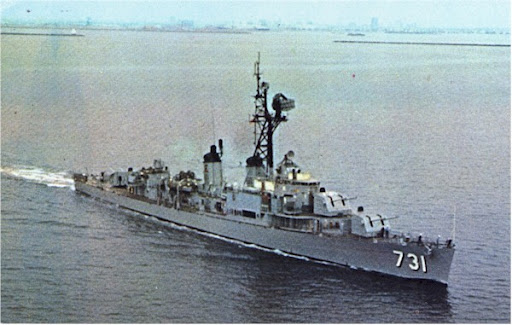
On August 2, 1964, three North Vietnamese torpedo boats attacked the USS Maddox  in the Gulf of Tonkin in what appeared to be a blatant act of communist aggression. Two days later the Maddox, along with a second destroyer, the USS Turner Joy, claimed again to have come under fire from North Vietnamese patrol boats that allegedly fired at least 20 torpedoes at the U.S. ships. The Johnson administration would use these alleged incidents to argue for more direct U.S. military involvement in the escalating Vietnam conflict, even though the Maddox likely provoked the first attack and the second one never happened. Three days later, the U.S. Congress passed what would become known as the Gulf of Tonkin Resolution, effectively giving the Johnson Administration a blank check to wage war in Vietnam. The resolution was approved unanimously in the House while in the Senate only two Senators, Wayne Morse (D-OR) and Ernest Gruening (D-AK) opposed the resolution. Throughout the war, both Morse and Gruening would remain critics of U.S. involvement in Vietnam with Morse taking great issue with what he saw as the Johnson administration’s deceptive practices, especially the withholding of information from the public. 

The USS Maddox (DD-731)

In reality, nothing about the incident was as reported. The USS Maddox was not the target of unprovoked Communist aggression. It was supporting South Vietnamese commando attacks and intelligence-gathering missions along the North Vietnamese coast. The South Vietnamese attacks were part of Operation Plan 34A (OPLAN 34A). Conceived by the U.S. military and carried out by the South Vietnamese Navy, OPLAN 34A was designed to harass the communist government in Hanoi and create opportunities to learn about North Vietnam’s military readiness and operations, in particular a new radar network the Soviets were installing. Moreover, the alleged August 4 attack never took place. The commander of the Maddox sent conflicting messages about the purported attack which would later be attributed to faulty equipment, poor weather, and overeager sonar men. A navy fighter jet from a nearby aircraft carrier also flew overhead for ninety minutes but failed to locate any North Vietnamese ships. The plane’s pilot, Commander James B. Stockdale wrote, “I had the best seat in the house to watch” and I saw “no boats, no boat wakes, no boat gunfire, no torpedo wakes—nothing but black sea and American firepower.” Lastly, an intelligence intercept in which North Vietnamese patrol boats reported the results of the the alleged August 4 attack to higher officials was in fact from the incident two days earlier and not confirmation of an additional attack.

This incident would also eventually raise troubling questions about whether President Johnson had deliberately misled the American public into the Vietnam War. On this dubious basis, the Johnson administration would plunge the United States into a ten year ground war in Vietnam. Having thoroughly defeated his Republican rival, Senator Barry Goldwater, in a landslide in the November 1964, Senator Hubert Humphrey and others within the Democratic Party, tried to convince Johnson that it was an opportune time to step back from Vietnam. Johnson disagreed and within six months U.S. aircraft would begin carrying out bombing runs over North Vietnam as part of Operation Rolling Thunder while 40,000 U.S. troops would be on the ground in South Vietnam. By the end of 1965, that number would expand to 184,000. The U.S. military troop presence in Vietnam would continue to grow, peaking at roughly 550,000 in April 1969. Approximately 50,000 servicemen and women would lose their lives over the course of this ten year war.

In a largely symbolic gesture, the U.S. Congress repealed the Gulf of Tonkin resolution in January 1971, as popular opinion grew against continued U.S. military involvement in Vietnam. Two years later, Congress passed the War Powers Act over the veto of President Richard Nixon. The War Powers Act was a direct reaction to the Gulf of Tonkin Resolution and Nixon’s illegal expansion of the war into Cambodia. It was also a determined attempt by Congress to reassert it’s oversight of U.S. foreign policy and reclaim its unique power to declare war, a power it had ceded to the presidency during both the Korean and Vietnam Wars. The War Powers Resolution allows a President to use U.S. forces in combat in the event of “a national emergency created by attack upon the United States, its territories or possessions, or its armed forces.” However, the President also needs to report to Congress within 48 hours of such a military action, and Congress has 60 days to approve or reject it. The legislation highlighted a significant constitutional issue: the President is the commander and chief of American armed forces, but Congress has the sole power to declare war. Although every President since it’s passage has rejected the War Powers Resolution as an infringement on their constitutional powers as Commander-in-Chief, they have all tended to take actions that have been “consistent with” rather than “pursuant to” the provisions of the act—in some cases, seeking congressional approval for military action without invoking the law itself. In this strange way, Presidents have complied with the spirit of the law without recognizing its legitimacy.

I Want My MTV!: August 1, 1981

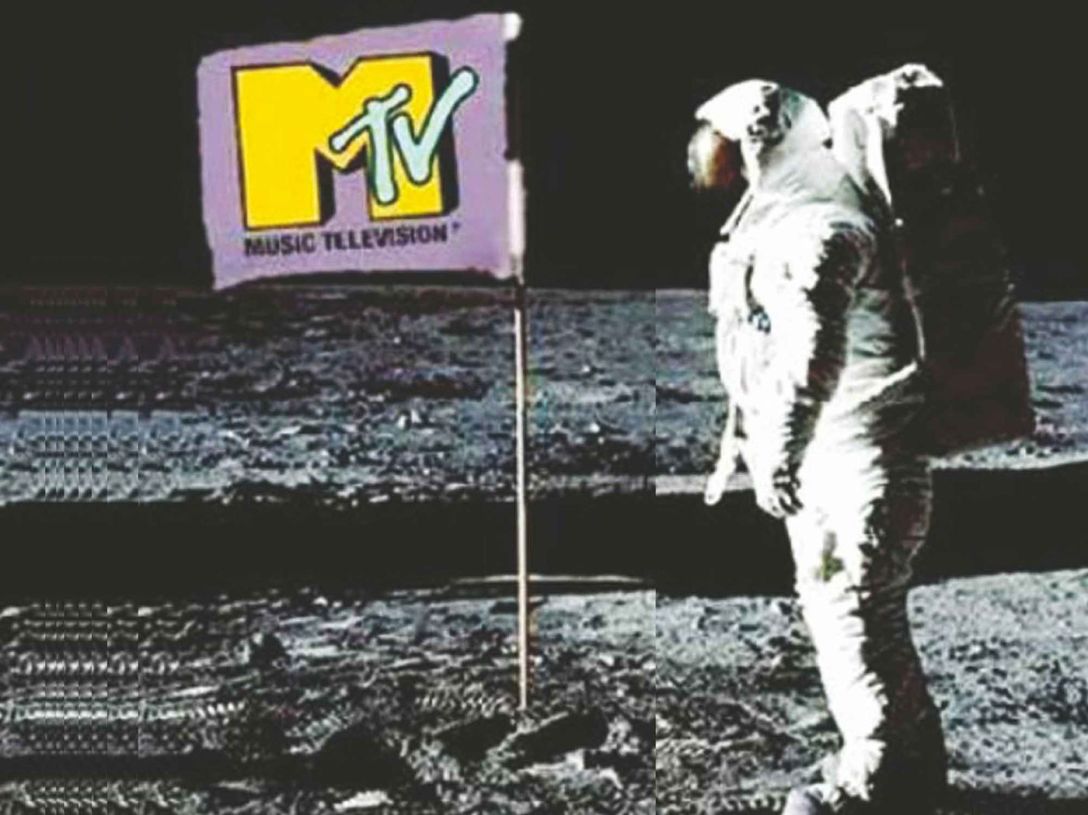
On 1 August 1981, a revolutionary new television channel made is debut on cable television networks across the country broadcasting a new art form called music videos. The first video was an appropriately named song “Video Killed the Radio Star,” by the Buggles. Music Television, or MTV as it became known, would fundamentally change the music industry by blending both visual and audio art forms and creating what would become a ubiquitous platform for new bands and performers to be discovered. Disco was losing its appeal, punk rock was flaming out, and plain old rock and roll had become stale. People were looking for something fresh and MTV would help give birth to what would become affectionately known as New Wave. Bands such as Duran Duran, INXS, U2, Billy Idol would owe much of their success to MTV. In an industry in which the visual was previously limited to album artwork, videos became as equally important as the music itself and soon all types of bands and performers would jump on the video bandwagon. An entire generation of American teenagers would sit anxiously with their VCRs poised to record their favorite videos. MTV would go on to pioneer the reality TV genre with shows like the Real World and would eventually depart from its music video roots. Nevertheless, for those of us who were teenagers during the hey day of MTV it was a magical time.