Justice Not Served: The Death of Emmett Till, August 28, 1955

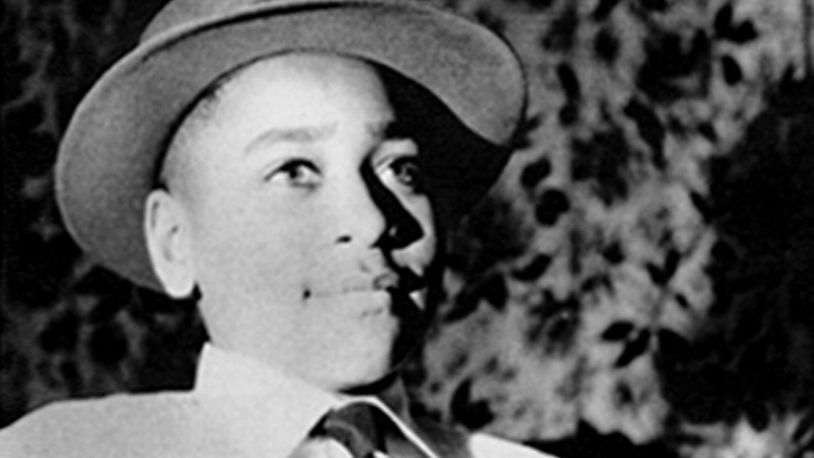
On August 28, 1955,  a fourteen year old African-American boy from Chicago, Emmett Till, was kidnapped, brutally murdered and tossed into the Tallahatchie River for allegedly whistling at a white women in a lewd manner while visiting his relatives in Mississippi. Till’s murder would spark a wave of righteous indignation across the nation because of sheer brutality of the lynching and the young age of the victim and become the catalyst for what would become known as the Civil Rights movement.
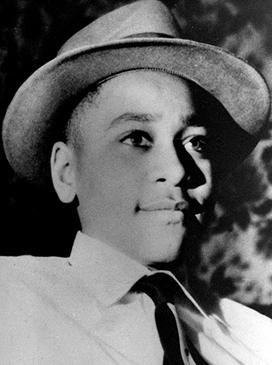
The summer of 1955 was a hot one in the United States. Racial tensions were on the rise in the wake of the Supreme Court’s landmark decision in the case of Brown v. Board of Education which declared race-based segregation unconstitutional. Bitter and angry Southern whites vowed a campaign of “massive resistance” to counter the court’s orders to desegregate and other threats to what they perceived as their way of life. In the months before Till’s murder, Rev. George Lee and Lamar Smith were separately shot and killed in Mississippi after helping organize black voter-registration drives. It was against this backdrop that Mamie Till sent her only child to visit her relatives in Money, Mississippi, hoping to escape the boredom of another Chicago summer. Before he left for Mississippi, Mrs. Till urged her son to be careful and to watch how he behaved in front of white people there because Chicago and Mississippi were completely different. “Even though you think you’re perfectly within your right, for goodness sake take low,” she said, according to subsequently published accounts. “If necessary, get on your knees and beg apologies.”

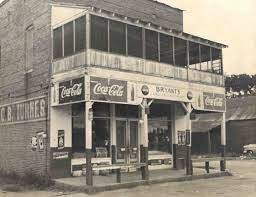
Till arrived at his uncle Mose Wright’s home on August 21. Three days later, he and his two cousins, had skipped church where their uncle was preaching and instead headed to the local grocery store to buy some candy. The grocery store mostly served the local sharecropper population and was owned by a poor white couple, 24-year-old Roy Bryant and his 21-year-old wife Carolyn. Carolyn Bryant was alone in the front of the store that day; her sister-in-law was in the rear of the store watching children. What actually happened on August 21 is subject to multiple conflicting accounts but most claim that Till had whistled at Bryant or had engaged in some other lewd advance, something that was a serious taboo in the Jim Crowe South. Bryant stormed out of the store and warned she was going to get a pistol.
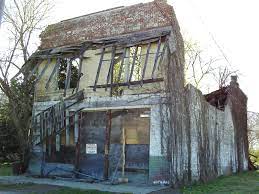
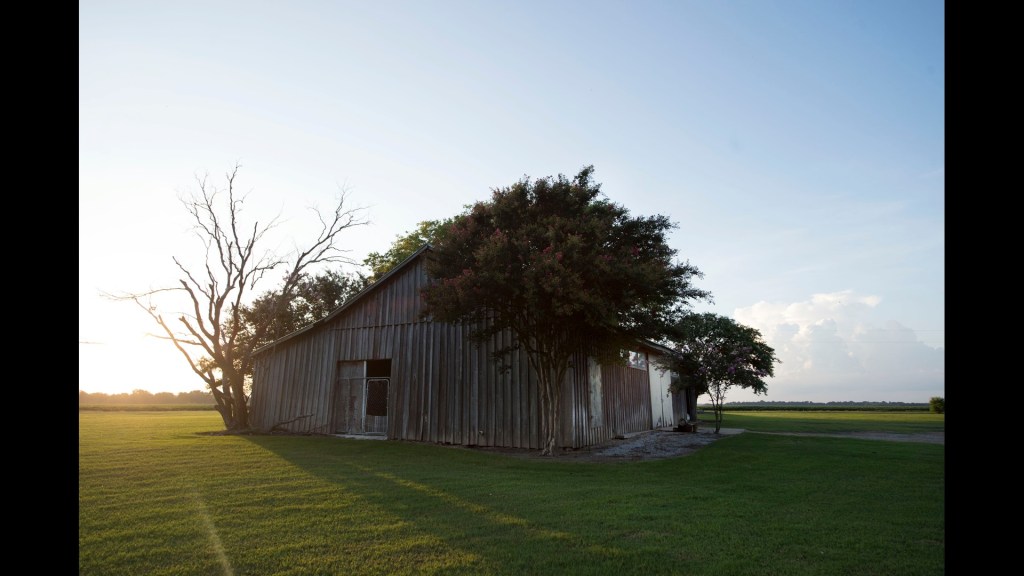
Till and his cousins immediately understood the gravity of the situation. They quickly fled the scene at the urging of some of the older men around town hoping to avoid any unwanted violence. Till refrained from telling his uncle what had happened, fearful that he might incur a reprimand and pleaded to return home to Chicago. A few days later, Roy Bryant and his half brother , J.W. Millam went to Mose Wright’s home, in the dead, of night, and abducted the terrified 14-year old at gun point. They marched Till to the back of their pick up truck and tied him up before driving off to an isolated barn where they proceeded to teach the young boy a deadly lesson. There they viciously beat Till as the boy begged for his mother. They poked out his eye, shot him in the head, and tied a 75-pound cotton-gin fan to his neck with barbed wire before tossing his body into the Tallahatchie River with no remorse for what they had done.
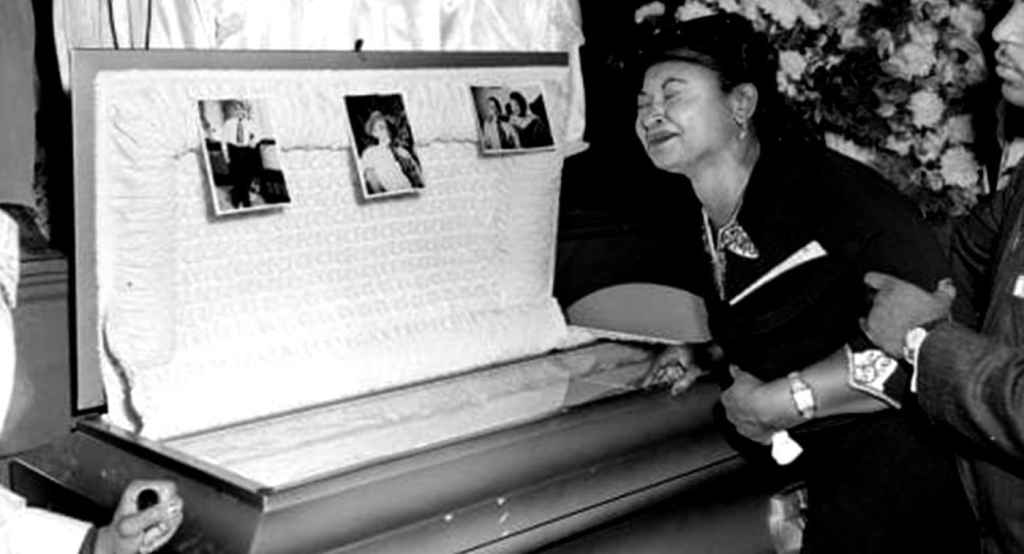
When Till’s body was pulled from the Tallahatchie river, his mother could barely identify her son. Nevertheless, Mamie Till was determined that her only son would not die in vain. Mississippi officials pressured her to burry Emmett in Mississippi in a closed casket ceremony hoping to avoid a spectacle. Mamie Till ignored the pressure and brought Emmett Till’s badly disfigured body back to Chicago where she held an open casket funeral hoping to capture the nation’s attention and shine a spotlight on the deep racism and white supremacist violence directed at African-Americans in the South. The train carrying Till’s body was greeted by large crowds while over 200,000 people paid their respects during the four days of public viewings. Jet Magazine published an expose of photos of Till’s mangled body and his grieving mother at the funeral that went reverberated across the nation and around the world. These images would accelerate the civil rights movement and inspire African-American Americans to put life and limb at risk in pursuit of racial equality and justice. Less than six months later, an African-American woman in Montgomery Alabama named Rosa Parks was arrested and fined for refusing to give her bus seat to a white passenger. When asked why she refused to move Parks explained that she thought about going to the back of the bus but then she thought about Emmett Till and she couldn’t do it.

Within a day after Till’s disappearance, both Bryant and Millam were arrested but the chances of two white men being convicted of murdering an African-American boy in 1950s Mississippi were somewhere between slim and none. The two men were put on trial in September and battle lines were quickly drawn. Every lawyer in the county donated their services and $10,000 was collected from local businessmen in support of Bryant and Millam’s defense. Moreover, many whites showed up to watch the trial, bringing their children, picnic baskets and ice cream cones. Meanwhile, African American spectators were relegated to the back and looked on in fear. Neither Bryant nor Millam would be called to the stand to testify and they would eventually be acquitted by an all white male jury after only 67 minutes of deliberations. Jurors later admitted in interviews that although they knew Bryant and Milam were guilty of Till’s murder, they did not think imprisonment or the death penalty were appropriate punishments for white men who had killed a black man. After the verdict was read, Bryant and Millam defiantly walked out of the courtroom lit up cigars and kissed their wives in celebration.

Left: J.W. Milam and his wife Right: Roy Bryant and Carolyn Bryant

Months later, the two men confessed to killing Till in an interview with Look magazine in exchange for $4,000, however, because of the precedent of double jeopardy in U.S. law, they were never tried again for the murder. In 2017, Carolyn Bryant recanted her testimony, admitting that Till had never touched, threatened or harassed her. “Nothing that boy did could ever justify what happened to him,” she said.

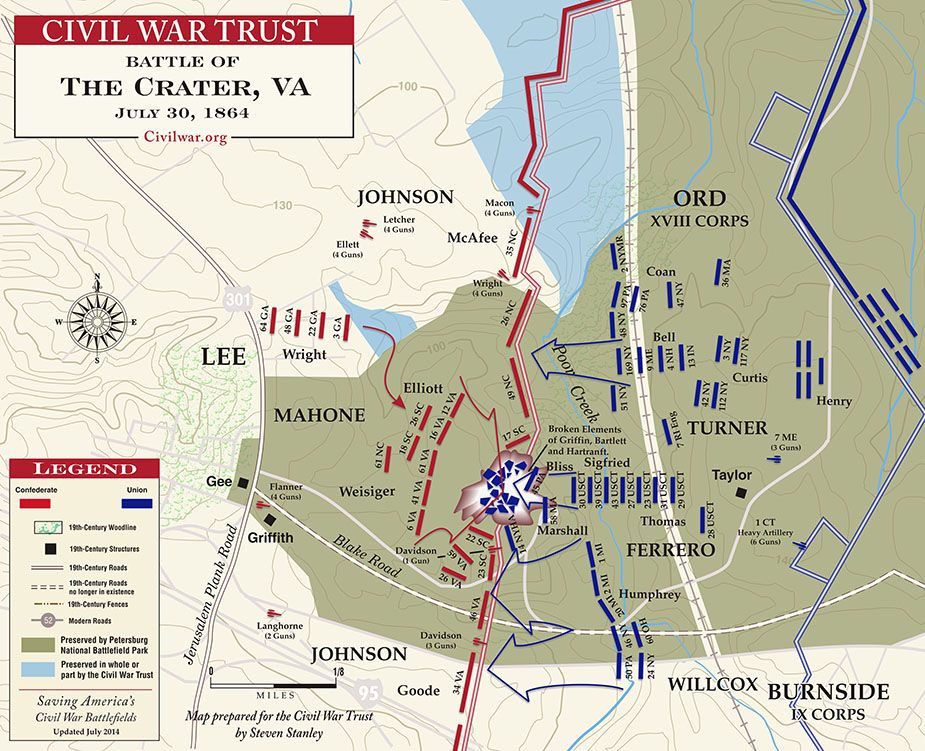
The Battle of the Crater, July 30, 1864

It’s the summer of 1864 and the fortunes of the Confederacy are on the wane. The Army of Northern Virginia is suffering from shortages across the board but one shortage is especially problematic, manpower. The Army of Northern Virginia is steadily being attritted. A series of bloody battles beginning in early May have sapped the Army and put it on the defensive. In early May, at the battle of the Wilderness, Confederate losses number over 11,000. A week later at Spotsylvania Courthouse, the South suffers another 10,000 casualties. In early June, the Confederates return the favor at Cold Harbor inflicting over 10,000 Union losses but they also suffer another 4,500 losses. In little over a month, General Lee has lost a quarter of his army. Lee knows he cannot continue losing men at this pace but he has few options. Lee writes to his son, “Where do we get sufficient troops to oppose Grant? He is bringing to him now the Nineteenth Corps, and will bring every man he can get.” Unlike his predecessors, General Grant is a fighter. He knows that he has Lee on the ropes and he won’t let up. Grant continues to push towards Richmond forcing Lee to move his army to stay between Grant and the rebel capital. Grant deprives Lee of the initiative and Lee is now forced to fight a defensive campaign against Grant’s numerically superior army, one that is not Lee’s strong suit.

Unable to get between Lee and Richmond, Grant turns his eye toward the critical rail junction of Petersburg, thirty miles south of the capital. Petersburg is vital to the supply of Richmond and its loss would make Richmond’s capture almost inevitable. Shortly after Cold Harbor, Grant marches his forces towards Petersburg and Lee races southward toward Petersburg knowing what its loss would mean. By June 18, Grant had nearly 100,000 men under him at Petersburg compared to the roughly 20,000-30,000 Confederate defenders. Grant realized the fortifications erected around the city would be difficult to attack and pivoted to starving out the entrenched Confederates. Grant had learned a hard lesson at Cold Harbor about attacking Lee in a fortified position but is chafing at the inactivity to which Lee’s trenches and forts had confined him. A regiment of Pennsylvania miners offered a proposal to break the impasse. They would dig a long mine shaft under the Confederate lines and detonate explosives directly underneath fortifications in the middle of the Confederate First Corps line. If successful, not only would all the defenders in the area be killed, but also a hole in the Confederate defenses would be opened. If enough Union troops filled the breach quickly enough and drove into the Confederate rear area, the Confederates would not be able to muster enough force to drive them out, and Petersburg might fall.

The plan was met with great skepticism but Grant did not reject it out of hand. Digging commenced in late June. On July 17, the main shaft reached under the Confederate position. Rumors of a mine construction soon reached the Confederates, but Lee refused to believe or act upon them. For two weeks he debated before directing countermining attempts, which were sluggish and uncoordinated, and failed to discover the mine.

A division of new African-American soldiers was specially trained to carry out the assault once the explosives were detonated. For weeks the division prepared itself for all the chaos potential challenges they might encounter in leading the assault. Despite this intensive training, a decision was made a day before the impending attack to replace the African-American soldiers with another division that was less prepared. Elements within the Union high command lacked confidence in the black soldiers’ combat abilities.

The explosive charges were detonated ‪at 4:44 a.m. on the 30th.‬ They exploded in a massive shower of earth, men, and guns creating a crater that was over 100 feet wide and 30 feet deep. The initial explosive charges immediately killed 278 Confederate soldiers. The remaining troops were stunned by the explosions and did not direct any significant rifle or artillery fire at the enemy for at least 15 minutes. However, the Union troops selected to lead the assault were unprepared for what they encountered. Instead of moving around the crater, they advanced down into it and soon became trapped. The Confederates, under Brig. Gen. William Mahone, regrouped and counterattacked. They began firing rifles and artillery down into the crater in what was later described as a “turkey shoot.” The plan had failed and the battle was lost. However, the strategic situation remained unchanged. Both sides remained in their trenches, and the siege would continue into March of the next year.

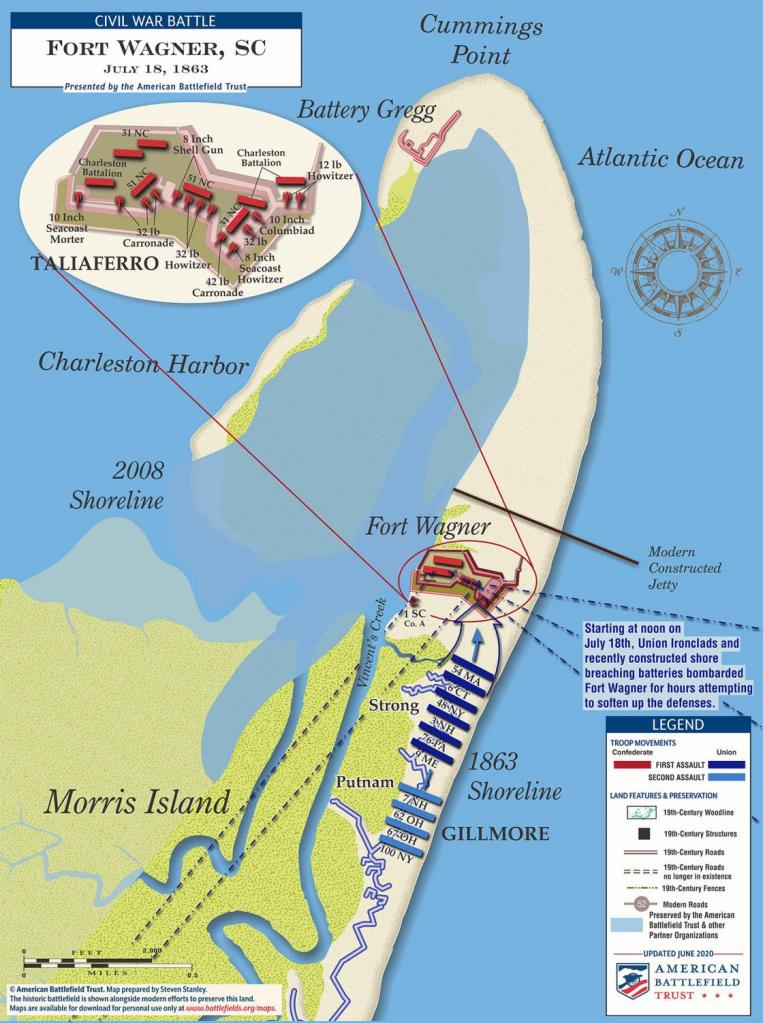
Battle of Fort Wagner, July 18, 1863

July 18, 1863- The battle of Fort Wagner- For three years Charleston South Carolina was an open wound for Union forces. It was here on April 14, 1861 that the Federal garrison at Fort Sumter, in the middle of Charleston harbor, was forced to surrender after being bombarded by Confederate forces in Charleston, initiating the Civil War. For, two and a half years the Union Navy had blockaded all of the major Southern ports in an effort to strangle the Confederacy. Repeated efforts to capture Charleston failed as the city was protected by a series of strategically placed forts and batteries.

In the spring of 1863, the Federals planned operations to neutralize the fortifications surrounding Charleston and capture the city. Crucial to their plan was the capture of Fort Wagner on Morris Island. On the evening of July 18, after a grueling day long bombardment, the 54th Massachusetts, a regiment of black soldiers spearheaded a direct assault on the fort. Commanded by Colonel Robert Gould Shaw, the scion of a wealthy Massachusetts abolitionist family, the unit was made up of freedmen and escaped slaves and intended to show that African-Americans were more than willing and capable to fight for their freedom. Prior to he assault, the regiment had bee tasked mostly with manual labor and had seen only limited action, as the army command continued to view the 54th as a political project rather than a military unit. The attack started off slowly but proceeded to the double quick as Confederate artillery tore apart the ranks of the 54th with devastating effect. Scaling the top of the earthworks, the 54th was met with a murderous volley of musket fire from the forts defenders killing Colonel Shaw and many others. The attack would ultimately fail with the regiment suffering over 40 percent casualties. Nevertheless, the men of the 54th fought bravely and with great valor. Sergeant William H. Carney, was wounded three times in the hip, chest and head as he retrieved the regimental standard after the flag-bearer was shot. He would receive the nation’s highest combat decoration, the Medal of Honor. Because of the valor shown by the men of the 54th, the US Army increased the number of black enlistments so that by 1865 almost two hundred thousand African Americans had served from 1863-1865. African-American soldiers would fight bravely in other places such as Petersburg and suffer atrocities at the hands or rebel soldiers at Fort Pillow.

African-American soldiers would continue to lay down their lives for their country in World War I and World War II but would still face discrimination and be forced to serve in segregated units until July 26, 1948 when President Truman desegregated the military.

Bloody Sunday, Selma March 7, 1965

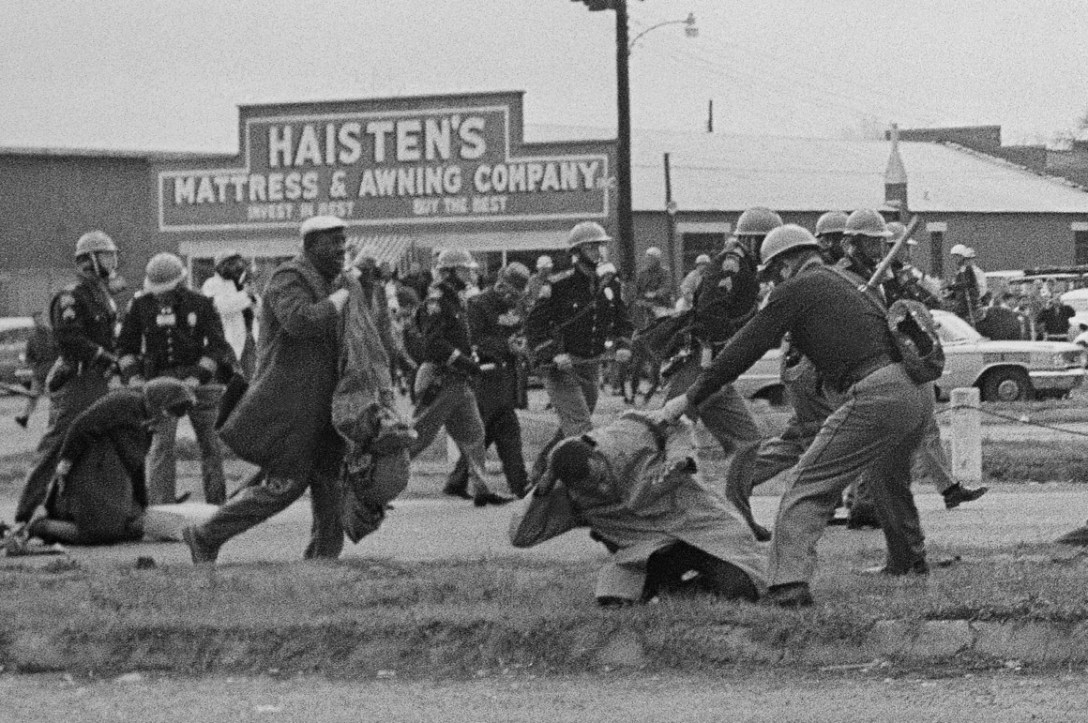
On 7 March 1965, a day that would become forever known as “Bloody Sunday”, Alabama State Police savagely beat 600 civil rights demonstrators who were marching from Selma to Montgomery, Alabama to protest the murder of Jimmy Lee Jackson, a young African-American civil rights activist, by the police two weeks earlier and the disenfranchisement of African-American voters. The sheer brutality of the violence and the broadcast of these images on television network news would galvanize a collective national outrage and mobilize Congress to pass the landmark 1965 Voting Rights Act, which prevented states and local municipalities from enacting discriminatory practices to disenfranchise African-American voters.

Since the end of Reconstruction in 1876, states of the former Confederacy instituted numerous legal barriers and obstacles to prevent African-Americans from exercising their constitutional right to vote and preserve white supremacist rule. The 15th Amendment to the Constitution, ratified in 1870, prohibited states from denying a male citizen the right to vote based on “race, color or previous condition of servitude? Nevertheless, poll taxes, literacy tests, subjective application of the law and outright violence and coercion, among other means, were all used to prevent African-Americans from registering to vote and exercising that right.

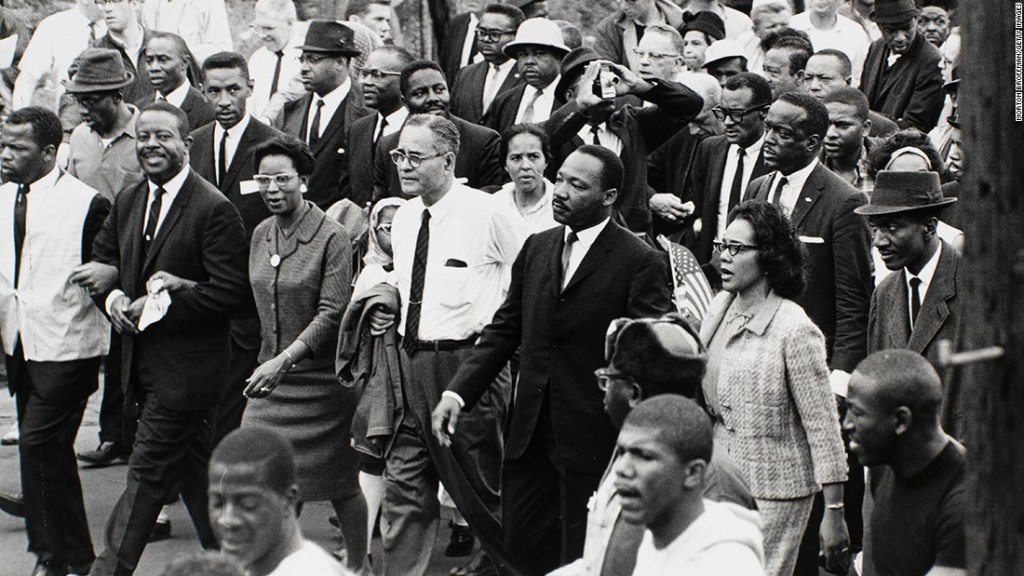
In early 1965, a broad array of civil rights groups decided to turn their attention towards ending these injustices and Alabama, under the rule of the firebrand segregationist Governor, George C. Wallace, became ground zero for these efforts. The Student Non-Violent Coordinating Committee (SNCC) began a voter registration drive in the town of Selma where the majority African-American population had consistently been denied their right to vote. When SNCC’s efforts were repeatedly hamstrung by law enforcement officials and the courts, they persuaded Dr. Martin Luther King, Jr. and his Southern Christian Leadership Conference (SCLC) to make Selma’s intransigence to black voting a national concern. King chose to bring SCLC to the region because he was aware of the brutality of local law enforcement officials, led by the sheriff of Dallas County, Jim Clark, a rabid and merciless white supremacist. King thought that unprovoked and overwhelming violence by whites against nonviolent blacks would capture the attention of the nation and pressure Congress and President Lyndon Johnson to pass voting rights legislation.

During January and February 1965, King and SCLC led a series of peaceful demonstrations to the Dallas County Courthouse, in which African-Americans attempted to register to vote but were forcefully turned away or arrested by Clarke and his police. The Dallas County courthouse designated two days a month for voter registration, but the SCLC’s plan pushed people to register every day beginning in the middle of January 1965. The first day’s protest ended without arrests, but on the second day, the police detained 66 individuals. Each day following, black men and women waited in line at the courthouse in Selma, and each day more were arrested. By the first week of February, the number of jailed protestors in Selma had swelled to 3,300, including King, who wrote to the New York Times, “This is Selma, Alabama. There are more Negroes in jail with me than there are on the voting rolls.”

Jimmy Lee Jackson

On 18 February, the situation in Dallas County became deadly. In the neighboring town of Marion, police violently broke up a peaceful nighttime vigil for an imprisoned SCLS leader. Moments into gathering the street lights went dark and state troopers descended on the demonstrators while local whites attacked the press covering the event. In the melee, 26-year-old Army veteran Jimmie Lee Jackson ran to a local eatery with his mother and grandfather. Jackson was shot and killed attempting to protect his mother and 82-year old grandfather from being beaten.

In the wake of Jackson’s murder, SCLC leaders called for a 54-mile march to the state capital in Montgomery to demand equal treatment under the law and to bring attention to the continued violations of their voting rights by marching to the capital. They hoped to refocus the anger and pain of the people of Marion and Selma toward a nonviolent goal, as many were so outraged they wanted to retaliate with violence.

Alabama Governor George C. Wallace

Governor Wallace was not one to be cowed. He denounced the march as a threat to public safety and defiantly declared that he would take all measures necessary to prevent it from happening. “There will be no march between Selma and Montgomery,” Wallace boasted on March 6, 1965, citing concern over traffic violations. He then ordered Alabama Highway Patrol Chief Col. Al Lingo to “use whatever measures are necessary to prevent a march”

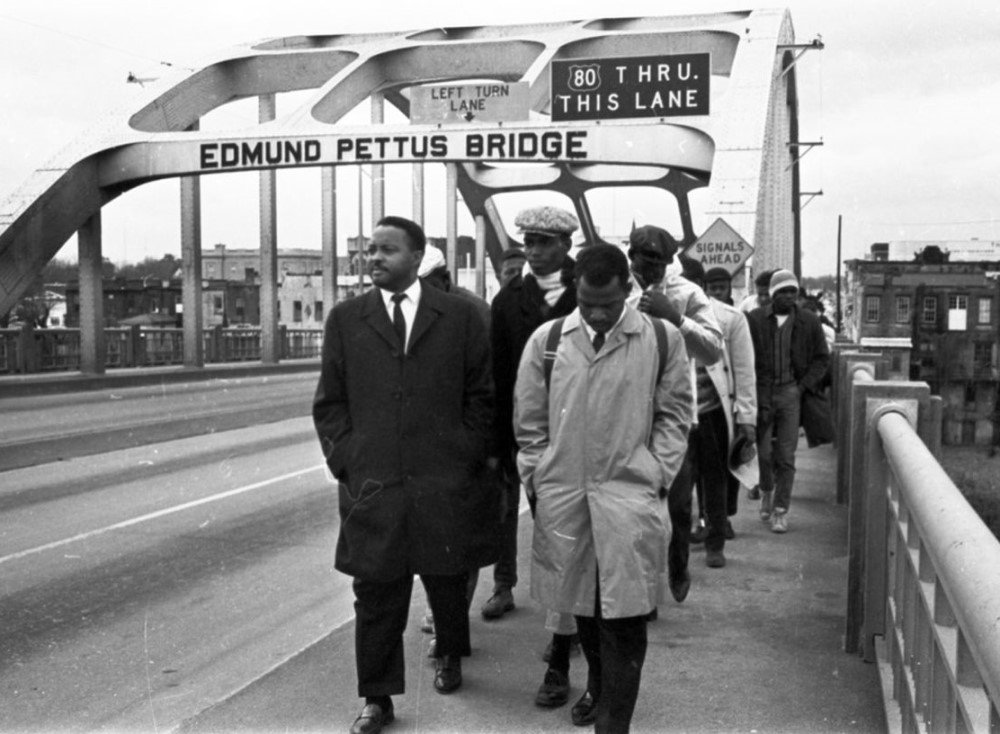
On Sunday March 7, 600 marchers gathered in Selma to begin their march to the capital led by Hosea Williams of the SCLC and 25 year old John Lewis of the SNCC. The demonstrators made their way through downtown Selma largely undisturbed but as they crested the Edmund Pettus Bridge, named after a Confederate general and reputed grand dragon of the Alabama Ku Klux Klan, the picture of what awaited them came into view. A wall of Alabama state troopers, wearing white helmets and armed with billy clubs was stretched across Route 80 at the base of the bridge blocking their way forward. Behind them were deputies of county sheriff Jim Clark, some on horseback, and dozens of white spectators waving Confederate flags and giddily anticipating a showdown. Knowing a confrontation awaited, the marchers pressed on in a thin column down the bridge’s sidewalk until they stopped about 50 feet away from the authorities.

Left: Hosea Williams, Right: John Lewis


Commanding officer Major John Cloud told the demonstrators to disband at once and go home. Rev. Hosea Williams tried to speak to the officer, but Cloud curtly informed him there was nothing to discuss. “It would be detrimental to your safety to continue this march,” Major John Cloud called out from his bullhorn. “This is an unlawful assembly. You have to disperse, you are ordered to disperse.”

Williams and Lewis stood their ground at the front of the line undaunted. After a few moments, the troopers, with gas masks affixed to their faces and billy clubs at the ready, descended upon the marchers They pushed back Lewis and Williams. Then the troopers paced quickened. They knocked the marchers to the ground. They struck them with sticks. Clouds of tear gas mixed with the screams of terrified marchers and the cheers of reveling bystanders. Deputies on horseback charged ahead and chased the gasping men, women and children back over the bridge as they swung clubs, whips and rubber tubing wrapped in barbed wire. Although forced back, the protestors did not fight back.


Television coverage of “Bloody Sunday,” as the event became known, triggered national outrage. That evening King and other SCLC leaders began planning for a second march on Tuesday March 9. They issued a call for clergy and citizens from across the country to join them in Selma. issued a call for all civil rights activist and religious leaders to come to Selma for a second march he planned to lead on Tuesday March 9. Civil rights leaders demanded federal protection and sought a court order to prevent the police from interfering. John Lewis, who was severely beaten and suffered a skull fracture said: “I don’t see how President Johnson can send troops to Vietnam—I don’t see how he can send troops to the Congo—I don’t see how he can send troops to Africa and can’t send troops to Selma”

While King and Selma activists made plans to march again two days later, Federal District Court Judge Frank M. Johnson issued a restraining order prohibiting the march until at least 11 March, and President Johnson pressured King to call off the march until a federal court order could provide protection to the marchers. King now faced the difficult decision of whether to comply with the court order or to satisfy the demands of the movement’s supporters who wanted to march across the bridge again to show they would not be cowed or intimidated.

King proceeded to the Edmund Pettus Bridge on the afternoon of 9 March. He led more than 2,000 marchers, including hundreds of clergy who had answered King’s call on short notice, to the site of Sunday’s attack, then stopped and asked them to kneel and pray. After prayers they rose and turned the march back to Selma, avoiding another confrontation with state troopers and skirting the issue of whether to obey Judge Johnson’s court order. Many marchers were critical of King’s unexpected decision not to push on to Montgomery, but the restraint gained support from President Johnson, who issued a public statement: “Americans everywhere join in deploring the brutality with which a number of Negro citizens of Alabama were treated when they sought to dramatize their deep and sincere interest in attaining the precious right to vote” Johnson promised to introduce a voting rights bill to Congress within a few days.

That evening, several local whites attacked James Reeb, a white Unitarian minister who had come from Massachusetts to join the protest. His death two days later contributed to the rising national concern over the situation in Alabama. Johnson personally telephoned his condolences to Reeb’s widow and met with Governor Wallace, pressuring him to protect marchers and support universal suffrage.

A little over a week later on March 17, Judge Johnson , issued a ruling in favor of the demonstrators. “The law is clear,” the judge wrote, “that the right to petition one’s government for the redress of grievances may be exercised in large groups … and these rights may be exercised by marching, even along public highways.” On Sunday, March 21, about 3,200 marchers set out for Montgomery with the protection of federalized National Guard troops, walking 12 miles a day and sleeping in fields. By the time they reached the capital on Thursday, March 25, they were 25,000-strong. Less than five months after the last of the three marches, President Lyndon Johnson signed the Voting Rights Act of 1965–the best possible redress of grievances.

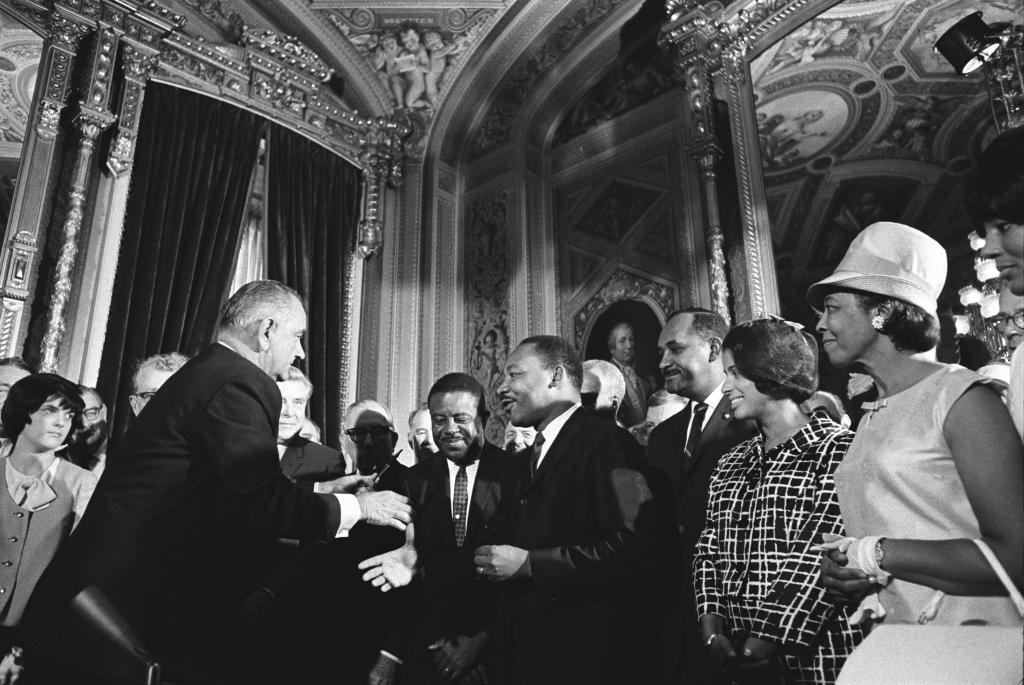
President Johnson meets with Dr. King after signing the 1965 Voting Rights act


The 1965 Voting Rights Act was one of the most important pieces of US legislation in the modern era, shifting the power to register voters from state and local officials to the federal government. The act reaffirmed the principles laid out in the 15th Amendment that no person should be denied the right to vote on the basis race, color, or previous conditions of servitude. It also prohibited the use of poll taxes, literacy tests and other subjective application of the law to disqualify people from voting. The law also required certain jurisdictions with a history of voting discrimination to pre-clear any changes to voting practices and procedures with either the U.S. Attorney General or the District Court for Washington, DC. The impact of the law was immediate. By the end of 1965, a quarter of a million new black voters had been registered. By the end of 1966, only 4 out of the 13 southern states had fewer than 50 percent of African Americans registered to vote.

Today voting rights are under siege again. Much like the U.S. Supreme Court of the 1870s that eviscerated the 14th and 15th Amendment protections for African-Americans, with their disastrous rulings in United States v. Cruickshank (1876), United States v. Reese (1876) and United States v. Harris (1883), the current conservative Supreme Court is doing the same again. It has struck do key provisions of the Voting Rights Act of 1965 that were previously ruled constitutional and threatens to further weaken these protections. Call your representative in Congress and tell them to support H.R. 1.

Congressman John Lewis, D-GA