The 1956 Hungarian Uprising: A Fight for Freedom

On 23 October 1956, the people of Hungary rose up in a brave yet futile effort to overthrow their Soviet imposed communist government and set up a more democratic and pluralistic political system free of Soviet oppression. The uprising lasted 12 days before Soviet tanks rolled into Budapest deposing the government of Imre Nagy and thwarting the Hungarian revolutionaries efforts to escape the Soviet camp. The uprising presented the Soviet Union with the most serious challenge to its authority in Eastern Europe since the end of World War II. It also revealed the persistent, paradoxical, challenge the Kremlin would face in managing its East European satellites over the next 30 years; the contradiction between its determination to maintain absolute control over these states and building legitimate, viable Communist regimes that could exist without constant Soviet support or intervention.

At the end of World War II, Red Army troops occupied nearly all of the states of Eastern Europe, making their subordination to the Soviet Union almost inevitable. Soviet leader Josef Stalin acknowledged this fact in April 1945 commenting to Milovan Djilas, a high-ranking official in the Yugoslav Communist party, “This war is not as in the past; whoever occupies a territory also imposes on it, it’s own social system. Everyone imposes their own system as far as their army can reach.” The establishment of communist rule in Hungary roughly followed a similar pattern to that of the other East European states. Employing what head of the Hungarian Communist Party Matyas Rakosi termed “salami tactics” the communist proceeded to divide the non-communist opposition while gradually seizing power with the support of the occupying Red Army lurking in the background. By 1948, Hungary’s communists had gained total power over the country, and in 1949 the country was proclaimed a “peoples’ republic” with Rákosi as its absolute ruler.

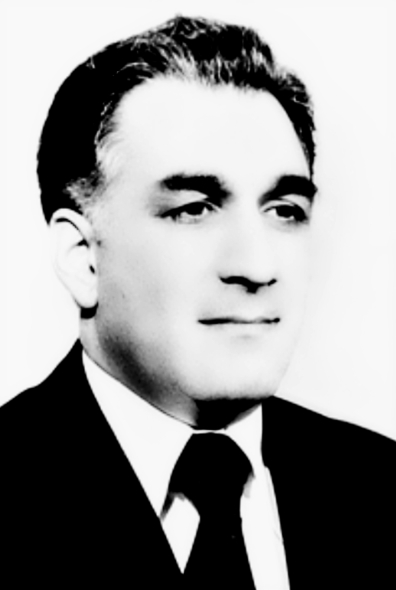
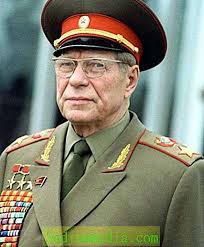
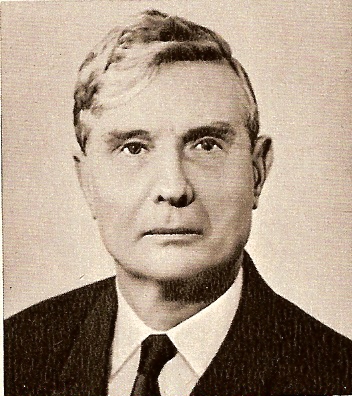
Hungary’s communist leaders

Rakosi set about rapidly transforming Hungary into a Soviet style communist state. He instituted Stalinist political and economic programs, resulting in Hungary experiencing one of the harshest dictatorships in Europe. Rakosi set up the dreaded AVH, the state political police, to identify and root out regime opponents who were subject to show trials. On the economic front, the government collectivized agriculture and it extracted profits from the country’s farms to finance rapid expansion of heavy industry. Industrial production rose steeply, but the standard of living did not; the production of consumer goods was limited and that of agriculture stagnated. Hungary’s free market economy was replaced by a Soviet command style economy in 1949 and trade was reoriented away from Western Europe towards the Soviet Union. In addition, Hungary, having sided with the Nazis, was obligated to pay reparations to the Soviet Union, Czechoslovakia, and Yugoslavia to the tune of 20 percent of its annual income. By the early 1950s, the imposition of Soviet-style economic policies and the payment of war reparations were impoverishing the Hungarian people fueling anti-Soviet political discontent as the payment of foreign debt and the heavy industrialization of the country took precedence over the material needs of the Hungarian people.

The year 1956 was a tumultuous one in the Soviet Union and its East European satellites. It had been three years since Soviet leader Josef Stalin’s death and Nikita Khrushchev finally prevailed in a three-way power struggle to succeed him. In February, at the Twentieth Party Congress of the Communist Party of the USSR, Khrushchev gave a “secret speech” condemning Stalin. In a tirade that lasted hours, he denounced Stalin’s “cult of personality,” the party purges of the 1930s, the gulags, and his blunders in World War II. He accused Stalin of negligence, deceit, and incompetence which cost millions of Soviet lives. 
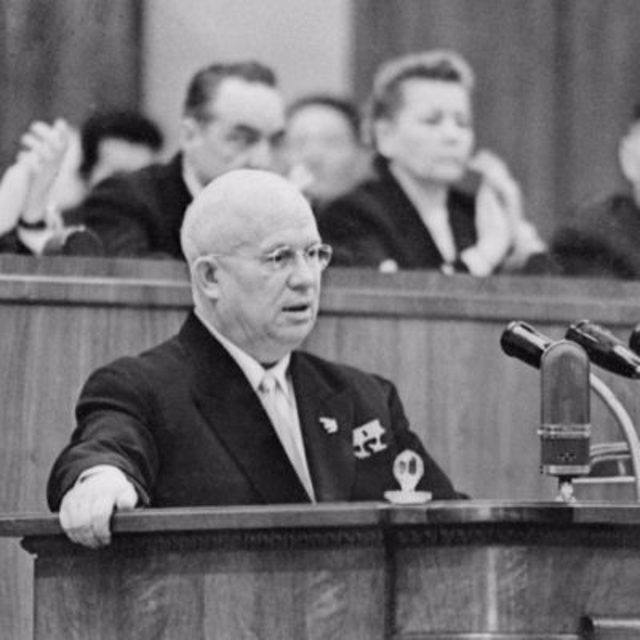
Khrushchev at the 20th Party Congress

Although Khrushchev’s address was intended to help consolidate his power and mobilize domestic support for a reform agenda in the Soviet Union, it had far reaching implications for the entire Communist Bloc. No where was its impact felt more profoundly than in the six countries of Eastern Europe where their leaders, who were installed by Stalin and were building mini-Stalinist regimes, now found their legitimacy compromised. Khrushchev argued that the Stalinist model was not the only acceptable model of communist development and that there were different roads to socialism. In Poland and Hungary, the people were beginning to chafe under Communist rule, Khrushchev’s speech led to increased protests and demands for political and economic reforms.

In Hungary, popular anger at Communist rule continued to grow rapidly and the government proved unwilling or unable to stop it. In July, Khrushchev facilitated the replacement of hard-line communist ruler Matyas Rakosi with another Stalinist hardliner, Erno Gero. Gero tried to defuse public anger and demonstrate to Moscow he was adhering to the party line of de-Stalinization by allowing the body of Lazlo Rajk, a communist reformer who had been executed in the 1949 Stalinist purges, to be buried in Budapest. His burial on October 6, 1956, brought to the surface anger over past Stalinist injustices against Hungary over the years, and the funeral march quickly transformed into a mass political demonstration. Anti-regime opponents, mostly urban intellectuals and students, began to make bolder and bolder demands of the government while calls for political and economic change soon spread to the working class and peasants as well.

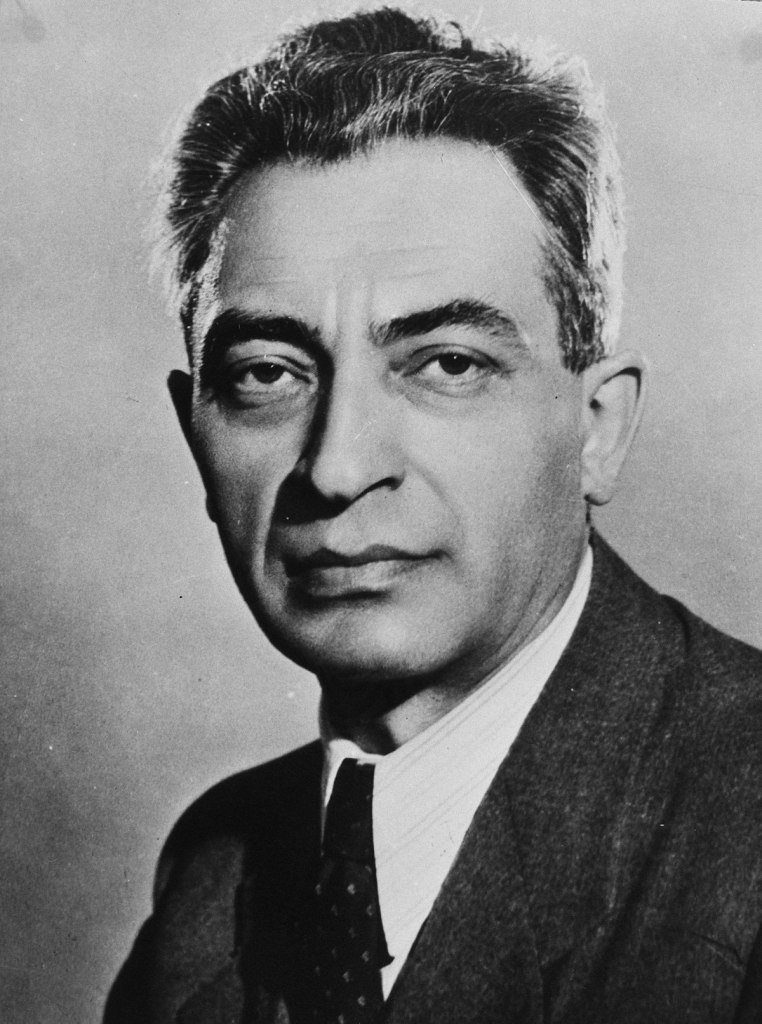
Left: Matyas Rakosi; Center: Erno Gero; Right: Imre Nagy

On the afternoon of 23 October, a restless crowd of 20,000 marched through Budapest and gathered at the statue of Józef Bem, a Hungarian-Polish hero of the 1848 Hungarian Revolution. Here they issued a list of demands known as the “Sixteen Points,” which included political reforms, democratization, the removal of Erno Gero and other Hungarian Stalinists, and the withdrawal of all Soviet military forces. What began as a series of peaceful student demonstrations now began to evolve into something much larger and by the evening there were more than 200,000 people on the streets calling for change.

In response, Gero went on the radio that evening and denounced the protesters as fascists and agents of imperialism and vowed that there would be no concessions. Gero’s defiant statements only further outraged the protesters and inflamed an already combustible situation. An angry crowd marched to the center of Budapest and defiantly tore down a ten-meter-high bronze statue of Stalin. They looped steel cables around its neck, pulled it to the ground with trucks and defaced the fallen icon. Elsewhere in Budapest, another group battled police outside a local radio station while units of the Hungarian military were besieged and attacked. Revolutionaries took over public buildings, destroyed Soviet symbols and freed political prisoners who had been locked away for years. The protest now became an armed uprising. The Hungarian Revolution had begun.
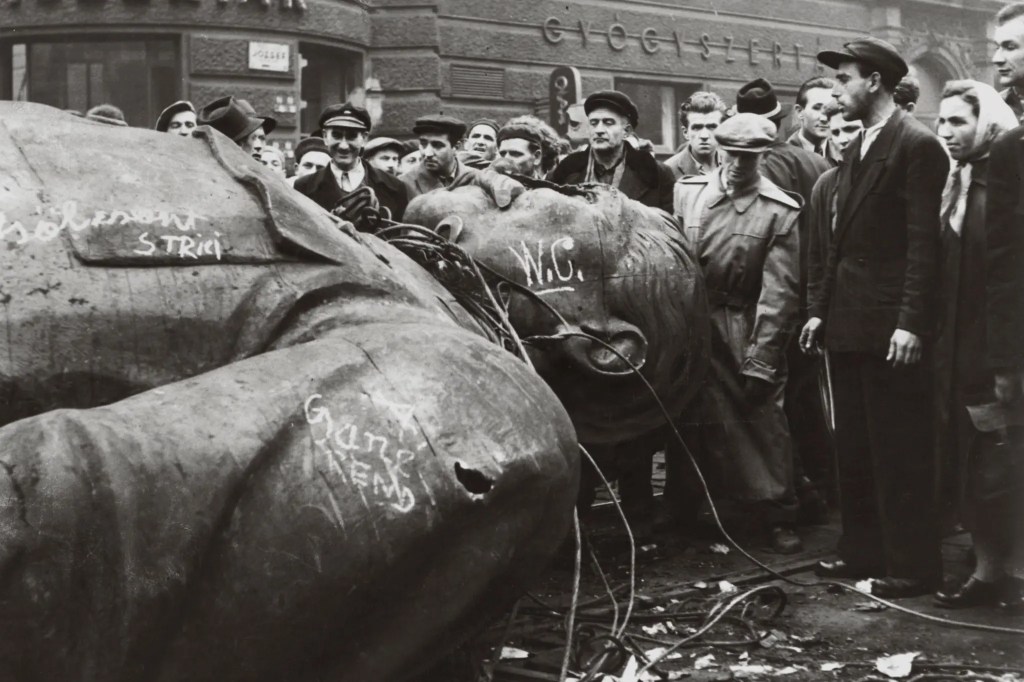
The Hungarian people take down Stalin

Fighting escalated quickly and the Hungarian government was quickly losing control of the situation as well as its security apparatus. Gero ordered the Hungarian military to quash the demonstrations and reestablish order, but many soldiers resisted cracking down on their fellow citizens and some even joined the protests. Acknowledging that his grip on power was slipping, Gero quickly appealed to his Soviet overlords for assistance. Khrushchev lacked confidence in Gero and was initially hesitant to dispatch Soviet military forces to quell the protests but incoming reports from the Soviet Ambassador in Budapest, Yuri Andropov, assured the Kremlin that military intervention was necessary. The next day, Soviet Defense Minister Georgiy Zhukov ordered 6,000 Soviet troops and 700 tanks into downtown Budapest. In return for Soviet military backing, however, Khrushchev insisted that Gero bring back Imre Nagy back into a high-level government position to appease the disgruntled populace. On the morning of October 24, Nagy was again named Prime Minister.

Neither the Soviet army nor the return of Imre Nagy did much to daunt the citizens of Budapest or defuse the crisis. Over the next several days, barricades went up throughout the city while fierce fighting raged between these revolutionaries and the Soviet Army , the Hungarian military, and the State Security Police. Shortly after being appointed Prime Minister, Nagy addressed the nation on radio calling for a ceasefire and promising to institute political reforms. His appeal did nothing to quell the revolutionary fervor. Not a single revolutionary stood down or handed over a weapon.

Russians Go Home!”

Nagy was a tragic figure about to be swept up in a wave of revolutionary tumult that he failed to fully grasp and was powerless to stop. Nagy appealed to the pre-revolutionary Hungarian public because he was a reformer and a moderate and not a hardline Stalinist like Rakosi and Gero but he was still a dedicated communist. Like Khrushchev, he believed that there were different pathways to socialism not just the single, rigid, Soviet model, insisted upon by Stalin. He wanted to build a distinctly unique communist system that reflected the national characteristics of the Hungarian people. The problem for Nagy was that Hungary’s young revolutionaries no longer wanted reform. They wanted to overthrow the system. Back in the government, Nagy quickly saw his dream of a new Hungary firmly on a peaceful path to reform communism under his leadership slipping away. He tried to steer a middle course acting as a bridge between the revolutionaries and the various Communist Party factions but for the people of Hungary the time for restraint, halfway measures and middle courses had passed.

Massacred unarmed Hungarians at Kossuth Square.

With no signs that order was close to being restored, two high-level Soviet Politburo members— Anastas Mikoyan and Mikhail Suslov— traveled to Budapest on October 25 to troubleshoot the situation which was clearly deteriorating. Mikoyan and Suslov arrived to find a government that was no longer functioning and a Hungarian Communist Party that was in shambles. The two Soviet emissaries undressed Gero mercilessly for his handling of the crisis and suggested he resign at once and flee the country. He was quickly replaced by János Kádár as head of the communist party. The Soviets hoped that the new team of Nagy and Kadar would be able to right the ship but the situation was about to get worse. That morning, Hungarian and Soviet military forces opened fire on a group of unarmed protesters in Kossuth Square demanding Gero’s resignation, killing hundreds and wounding many more. As word of the massacre spread throughout Budapest, the revolution quickly devolved into an all-out existential war between ragtag groups of young, poorly armed, and undisciplined rebels and the Soviet army, supported by the few Hungarian military forces that remained loyal to the government.
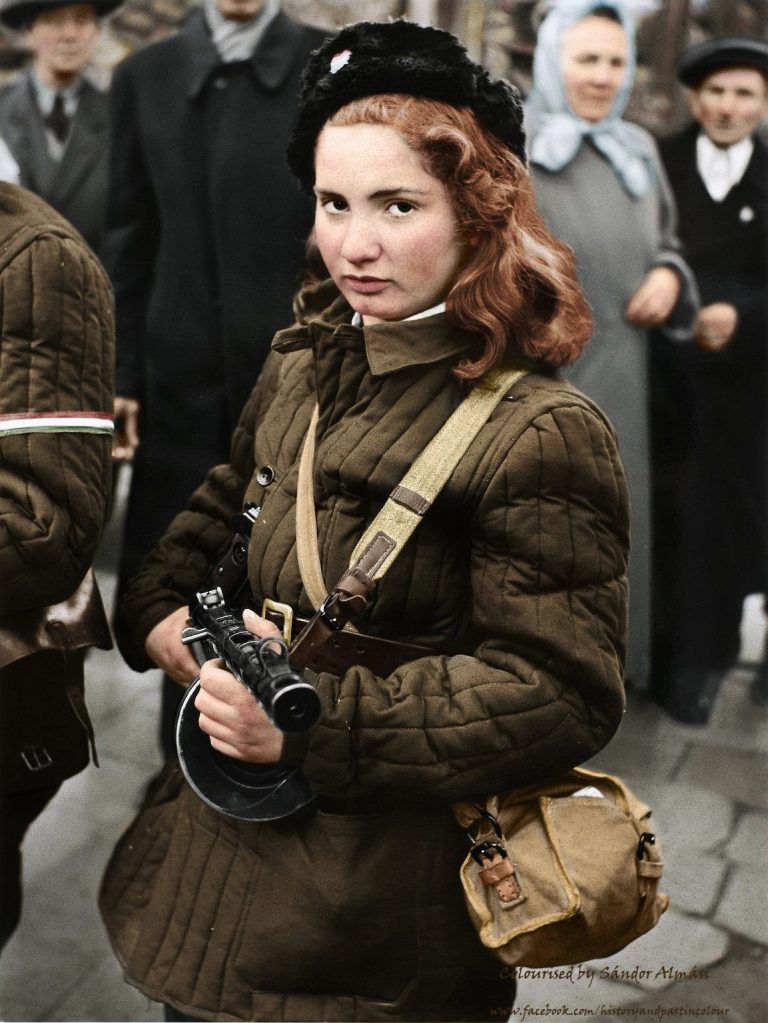
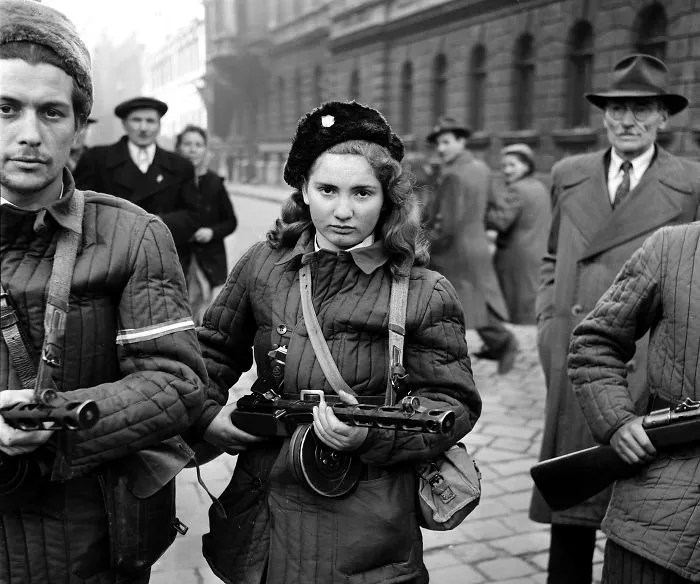
Erika Kornelia Szeles, a 15 year-old Hungarian anti-communist fighter. She was killed during the revolution

Amidst the growing violence, Nagy continued to try and stake out ground as a bridge between the revolutionaries and hardliners inside the Hungarian Communist Party but his efforts found little traction. On October 27, He announced the formation of a new cabinet that included moderate communists as well as four non-communist ministers in the naive hope the revolutionaries would lay down their arms and embrace the new government. Instead, his announcement met with jeers and the resistance from the revolutionaries. Throughout Hungary, revolutionary councils already assumed the responsibilities of local governments from the defunct Communist party and had mobilized strikes to halt the economy and the functioning of civil society. Moreover, too much blood had been spilled by Hungary’s revolutionaries to settle for anything less than their full demands.

The crisis in Hungary was reaching an inflection point. Almost a week had passed since violence first erupted on the streets of Budapest and Soviet military forces still continued to struggle to suppress the revolution. The young Hungarian freedom fighters refused to be intimidated by Soviet military force and their confidence was growing daily. Conversely, Soviet troops were increasingly exhausted and demoralized with many growing more sympathetic to the Hungarian cause. The Kremlin was not prepared to allow Hungary to leave the Soviet bloc but it needed to find a way to extricate itself from the situation. What to do in Hungary prompted heated debate inside the Soviet Politburo. Hardline Stalinist holdovers like Vyacheslav Molotov, Kliment Voroshilov, and Lazar Kaganovich, who saw the situation in Hungary as an opportunity to discredit Khrushchev, argued strenuously for doubling down on a military solution. However, more moderate voices like Khrushchev and Defense Minister Georgiy Zhukov, who days earlier favored deploying troops, were more conciliatory and cautious urging flexibility. Zhukov argued that the option of military escalation should be kept in reserve but they also needed to consider pulling Soviet forces from the streets of Budapest to create an opening for a negotiated resolution to the crisis.

Khrushchev wanted to reach a deal with the Hungarians that would keep the essence of Soviet rule but allow for a little more independence from Moscow. For that, the Kremlin needed some semblance of a functioning Hungarian government which made Nagy still very relevant to Moscow. The Soviets also needed an opportunity to pull back without losing face. That opportunity presented itself late in the evening of October 27 when Nagy and Kadar approached Mikoyan and Suslov about the possibility of a cease fire and the withdrawal of Soviet troops from Budapest. With Kadar taking the lead, the four men hammered out the broad framework of a agreement and around noon the following day a ceasefire was announced.

The Hungarian people initially greeted the cease fire with considerable skepticism but as the Soviets withdrew their military forces from Budapest over the next several days it came to be seen as a great victory. In the absence of Soviet troops, the Hungarian people set about dismantling the Communist system. Nagy dispensed with his customary moderation and embraced the idea of revolution. On October 30, he announced that the one-party system was being abolished and replaced with a multiparty democratic system. Thousands of political prisoners that had been incarcerated by the regime were released including, Cardinal József Mindszenty, the head of the Hungarian Catholic Church, who received a lifetime sentence in 1949 for opposing Communist rule. Angry mobs of anti-Communist revolutionaries also began to hunt down and execute members of the hated AVH, the Hungarian secret police, and other Communist party functionaries. By November 4, over 200 Communist party officials had been summarily executed.

Within days, Khrushchev regretted his decision to pull out Soviet military forces from Budapest. Increasingly pessimistic reports from Mikoyan and Suslov only served to confirm Moscow’s worst fear; Hungary was trying to break away from the socialist bloc. On the morning of October 31, Khrushchev convened an emergency session of the Politburo to decide what to do in Hungary once and for all. Where as days earlier the prevailing opinion in the Politburo was to give peace a chance, it was now clear from the deteriorating situation in Budapest that the Soviet Union had no other recourse than military force. Citing concerns about Soviet prestige, the unity of the socialist camp, and domestic political concerns, Khrushchev argued that the challenge in Hungary could not go unanswered, “We must take the initiative in restoring order in Hungary,” he declared.  On 1 November, Nagy formally announced Hungary’s withdrawal from the Warsaw Pact and Hungary’s international status as a politically non-aligned country. This step ensured that there was no turning back for the Soviets.

The Soviets quickly began preparations to oust Imre Nagy’s revolutionary government and restore Communist rule. Khrushchev informed Moscow’s Warsaw Pact allies of their plan for Hungary which met with little objection except from Poland’s leader, Wladyslaw Gomulka, who assumed power almost two weeks earlier against Soviet wishes. Soviet military forces also surreptitiously began returning. On November 1, Soviet tanks poured across the border into Hungary and when preparations were complete 150,000 Soviet troops from ten divisions and armed with the most modern equipment ringed Budapest. The Hungarians were not oblivious to the Soviet troop movements. Intelligence reporting had trickled in from Hungarian military forces loyal to the new revolutionary government and other observers but Nagy refused to believe the reports and convinced himself he still remained in favor with Moscow. Moreover, there was little Hungary could do at this juncture other than fight back.
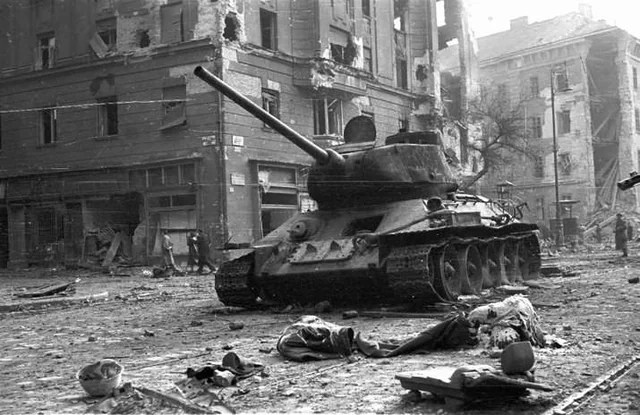
Soviet tanks on the streets of Budapest

Shortly before dawn on November 4, “Operation Whirlwind”, the Soviet invasion of Hungary, commenced as Soviet tanks rolled into Budapest to depose the government of Imre Nagy. Around 5:30am Imre Nagy broadcast his final plea to the nation and the world, announcing that Soviet forces were attacking Budapest before taking refuge in Yugoslavia’s embassy. Later that day, Janos Kadar, Nagy’s deputy prime minister and titular head of the Hungarian Communist Party, operating under direction from Moscow, declared the formation of a counter-revolutionary government. Fighting would spread through out the city, but the brave Hungarian revolutionaries who previously stalemated the Soviets were no match for the overwhelming firepower Moscow brought to bear this time around. Although sporadic fighting would continue over the next week Hungary’s fate was sealed. When all the guns were finally silenced, roughly 3000 Hungarians and 700 Soviet army troops were killed in the uprising since October 23.

With most of Budapest under Soviet control by 8 November, Janos Kádár became Prime Minister of the Hungarian “Revolutionary Worker-Peasant Government” and General Secretary of the Hungarian Communist Party, a position he would hold until 1988. Imre Nagy would suffer a far more terrible fate. After holding up in the Yugoslav embassy for two weeks, he was lured out of the embassy under false promises, arrested, and deported to Romania. On June 16, 1958, Nagy was tried and executed for treason alongside his closest allies, and his body was buried in an unmarked grave.

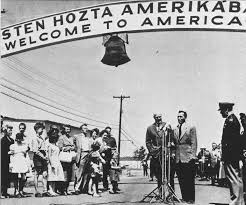
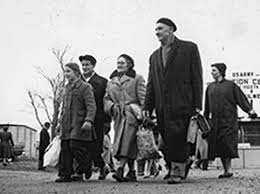
In the immediate aftermath of the Soviet invasion, many thousands of Hungarians were arrested. Eventually, 26,000 of these were brought before the Hungarian courts, 22,000 were sentenced and imprisoned, 13,000 were interned, and 229 were executed. Approximately 200,000 Hungarians fled Hungary to Austria as refugees as a result of the uprising. More than 30,000 of these refugees would be airlifted by the US military and resettled in the United States as part of Operation Safe Haven. Upon arrival, the Hungarians were temporarily housed at Camp Kilmer, in Piscataway New Jersey where multiple federal agencies assisted them through a resettlement process to become the newest members of American society. Many settled in nearby New Brunswick, which had an already thriving Hungarian-American community.


Soviet Disunion: The March 17, 1991 Referendum

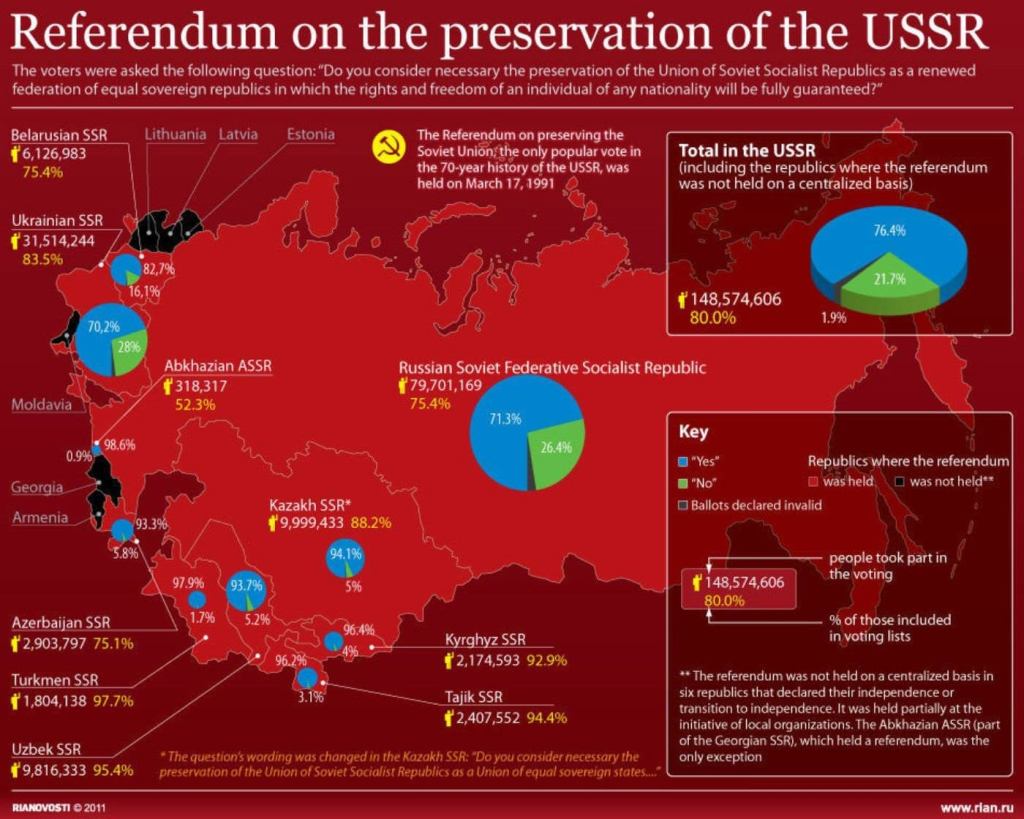
Thirty years ago today, Soviet authorities conducted a referendum on the future of the Soviet Union that would prove to be a key inflection point that would ultimately lead to the failed August 1991 coup attempt and the subsequent dissolution of the USSR. The question presented to the Soviet people was a very simple one, “Do you consider necessary the preservation of the Union of Soviet Socialist Republics as a renewed federation of equal sovereign republics in which the rights and freedom of an individual of any ethnicity will be fully guaranteed?” The referendum was conducted against a background of increasing nationalist pressures in the non-Russian Soviet Socialist Republics, unleashed by Gorbachev’s reformist policies of Glasnost and Perestroika. Increasingly bold efforts by the Baltic States to assert their sovereignty and challenge Soviet authority, prompted a violent crackdown by the Soviet military first in Lithuania on January 13, 1991 and then in Latvia later that month.The crackdown in the Baltic States generated a sharp rebuke in the West, further complicating Soviet leader Gorbachev’s efforts to manage the increasingly difficult task of reforming the country while suppressing the nationalist pressures bent on tearing the country apart. The referendum was Gorbachev’s gambit to defuse these nationalist pressures and stem the collapse of the Union without having to resort to violence. Gorbachev hoped it would make clear that despite rising separatist sentiments in many parts of the USSR, a majority of Soviet citizens wanted the country to remain unified. Additionally, he wanted to outflank hardliners who opposed any changes to the union structure.

By March 1991, Soviet authority had weakened considerably since Gorbachev first burst on the scene six years earlier and his ability to impose his will without question or compromise was diminished. To conduct such a referendum and to secure the legitimacy for a restructured union he sought to win, he needed the voluntary participation of the 15 constituent SSRs that made up the Soviet Union, which was no easy task. A number of the more nationalist minded SSR’s—Lithuania, Latvia, Estonia, Armenia, Georgia, and Moldavia—boycotted and refused to participate. Instead, the Baltic States and Georgia conducted independence referenda. The three Baltic polls all produced clear majorities in favor of independence and Georgia would follow suit in May. Still others would use the referendum to add other controversial questions.

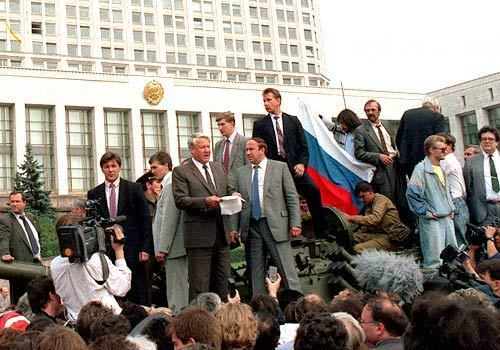
Gorbachev probably could have managed these rising ethnic tensions if his power and authority were not under challenge from an unexpected direction, the Russian Federation. The challenge would come from Boris Yeltsin. Yeltsin had been a Politburo member but was expelled in 1988 for his incessant criticisms of Gorbachev and the slow pace of reform and he would continue to be a thorn in Gorbachev’s side. Yeltsin’ election to the new Congress of People’s Deputies in March 1990 provided him with an opportunity to maintain a higher profile. His subsequent elevation two months later to Chairman of the Supreme Soviet of the Russian Soviet Federative Socialist Republic (RSFSR), despite Gorbachev’s efforts to derail hid bid, gave Yeltsin a direct platform to challenge Gorbachev.  

Yeltsin was a shrewd politician, despite his many shortcomings that would manifest themselves later, and recognized that his path to supreme power lay not with the decaying structures of Soviet authority but those of the Russian Republic. He understood that Gorbachev needed the RSFSR participation or the referendum would be meaningless. Efforts to strong arm its participation would also undermine the legitimacy of the referendum. Yeltsin exploited this leverage to advance his own power. The RSFSR would participate but it would add an additional question, one that addressed the establishment of the office of President of Russia by universal popular suffrage.

Gorbachev eventually received the outcome he wanted, about 76 percent of those who voted were in favor of preserving the union. Gorbachev now had his popular mandate to begin negotiations on a new union treaty. The following month he met with the nine leaders of the SSRs that participated in the referendum and began talks in earnest on a new union treaty. However, in the RSFSR, 70 percent of the population approved the establishment of an elected office of the President of the Russian Republic. Gorbachev had his mandate but Yeltsin now had a high profile platform to challenge Gorbachev and the entire state and communist party apparatus of the USSR and the results would be catastrophic for the country.

Gorbachev soon found his authority steadily weakening. His retreat to the center after the violent January crackdowns in Lithuania and Latvia, only alienated hardline conservatives. The ethnically based popular front groups in the non-Russian SSRs, such as Rukh in Ukraine and the Karabakh Committee in Armenia, that were originally formed to support Gorbachev’s reform efforts were now powerful nationalist separatist movements. Yeltsin would overwhelmingly be elected President in June of 1991 giving him a popular legitimacy that Gorbachev could not hope to achieve. Yeltsin would now become the titular head of the USSR’s nascent democratic movement and Gorbachev’s greatest foil as the Soviet leader sought to navigate between hardline statists in the Politburo and popular demands for change from below.

Gorbachev continued to work with the leaders of the nine SSRs that participated in the referendum, despite his crumbling authority, but ominous dark clouds began to appear on the horizon. For Soviet hardliners, the union needed to be preserved at all costs and Gorbachev’s efforts posed a clear and urgent danger. In July 1991, a number of Soviet hardliners/Russian nationalists published an open letter in the newspaper Sovietskaya Rossiya, calling for drastic action to prevent the imminent disintegration of the USSR. In what would become known as “A Word to the People,” a number of prominent Soviet figures, several who would be implicated in the failed coup attempt a month later, warned that the country was teetering on the edge of the abyss and that the only way to save the country was to impose emergency rule. It would prove to be a clear harbinger of what was about to happen a month later.

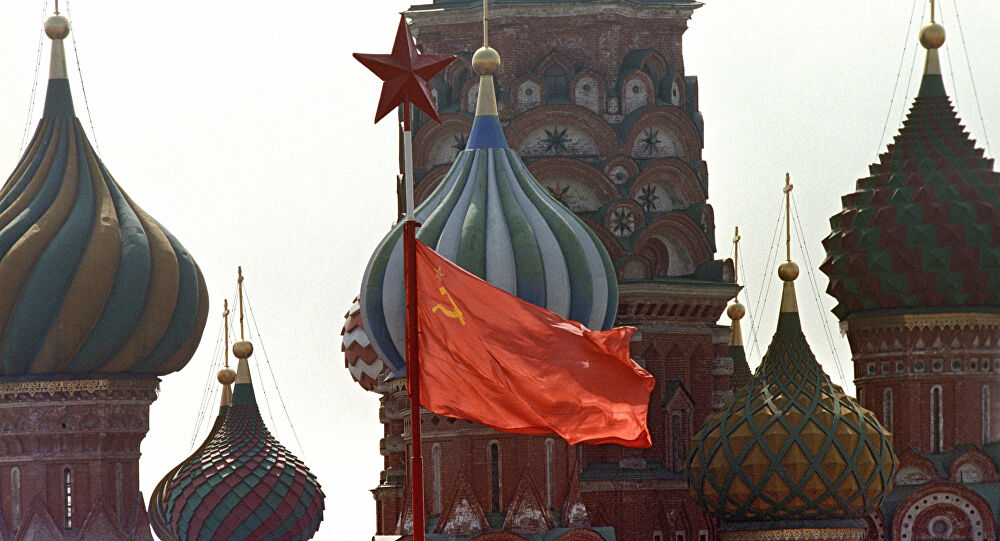
By August, work on a new union treaty that would devolve more power and authority to the SSRs was complete and ready to be signed. On August 19, 1991 a group of hardliners known as the State Committee for the State of Emergency arrested Gorbachev and instituted emergency rule in an attempt to forestall the signing of the new agreement. News of the coup attempt produced a backlash all across the USSR with Boris Yeltsin rallying the Russian public in Moscow to rise up and resist the putsch. After three days, the coup attempt faltered. The outcome the coup plotters sought to prevent, the disintegration of the USSR was now accelerated and on December 25 1991, the red hammer and sickle flag was lowered from the Kremlin for the last time. The Soviet Union passed into the dustbin of history.

End of an Error: The Soviet Withdrawal from Afghanistan

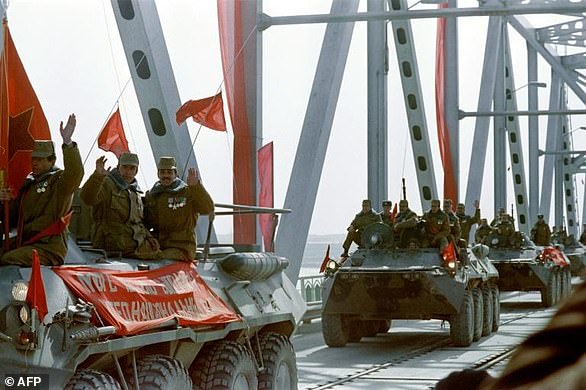
On February 15, 1989, Lt. General Boris Gromov, Commander of the Soviet 40th Army, crossed over the Amu Darya River from Afghanistan into the Uzbekistan completing the Soviet withdrawal from Afghanistan. The almost ten year Soviet occupation, which began on December 24, 1979 would leave scars on both countries. For the Soviet Union, Afghanistan was a quagmire; one that undermined public faith and confidence in the Soviet system and leadership, hastened an end to the Cold War, and eventually brought about the dissolution of the USSR. For Afghanistan, it was a traumatic event that plunged the country into almost 40 years of constant war and state failure. For the United States, the Soviet invasion of Afghanistan would put in motion a chain of events that would ultimately lead to the tragedy of September 11, 2001.

Soviet troops returning home from Afghanistan in February 1989 across the Friendship Bridge


Prelude to a Catastrophe

The Soviet decision to invade Afghanistan was not one taken lightly by the Kremlin and was made only after months of debate and discussion. It was the predictable, if not unavoidable result of growing Soviet involvement in Afghan internal affairs over several years and powerful security and ideological concerns. 

The Soviet Union enjoyed a long history of friendly cooperation with Afghanistan under King Mohammed Zahir Shah. It was the first country to recognize Afghanistan’s independence in 1919 and became Afghanistan’s main source of military and economic assistance in the post-World War II period. From 1956-77, the Soviet Union and its allies trained over 4,000 Afghan officers and delivered more than $600 million worth of military supplies. In the same period, the USSR also gave Afghanistan grants or credit lines totaling more than $1.3 billion, a sum which was exceeded in the Middle East and South Asia areas only by grants given to Egypt, India and Syria. Nonetheless, for nearly two decades the KGB also secretly funded and nurtured communist leadership networks at Kabul University and in the Afghan Army, training and indoctrinating 3,725 military personnel in the Soviet Union.

In 1973, the king was overthrown in a bloody coup orchestrated by his cousin Mohammad Daud Khan. Daud’s reign, however, would prove short-lived. In April 1978, he was ousted in a coup led by the Afghan Communists and elements of the military, which proceeded to proclaim a new Marxist Leninist state, the Peoples’ Democratic Republic of Afghanistan (PDRA). The Saur Revolution, as it became known, would usher in a period of prolonged upheaval and instability that ultimately dragged Moscow deeper and deeper into the proverbial quagmire.

The USSR welcomed the establishment of the PDRA even though it enjoyed cooperative relations with Afghanistan’s previous leaders. Nevertheless, the Peoples’ Democratic Party of Afghanistan (PDPA)—the Communists—was sharply divided into two rival factions, which did not bode well for the stability of the new Peoples’ Republic. The first faction, the Khalq, was led by Nur Muhammad Taraki and Hafizullah Amin and consisted largely of ethnic Pashtuns from the poorer cross-sections of Afghanistan.  As committed Marxist-Leninists, Taraki and Amin sought to transform Afghanistan from a feudal nation into a Communist one as rapidly as possible. The other faction, the Parcham, led by Babrak Karmal, tended to be made up of Afghanistan’s ethnic minorities. The Parcham called for a gentler approach, arguing that Afghanistan was simply not ready for Communism and would not be for some time. Many Soviet diplomats and advisers concurred with the Parcham’s more measured approach, worried that an aggressive implementation of Communist reforms would provoke a rebellion within Afghanistan’s deeply conservative and Muslim society.

Immediately after coming to power, the Khalqis began to purge the Parchami faction, and instituted a Soviet-style program of modernizing reforms, including land reform and female literacy campaigns, which provoked the violent, conservative, Muslim backlash that Moscow predicted. On March, 15, 1979, a violent anti-government uprising occurred in the city of Herat.  The government dispatched the 17th Army Division to quell the uprising but the unit mutinied and joined the uprising. Desperate, the Afghan government appealed to the Kremlin to intervene and restore order, as stipulated in the December 1978 Soviet-Friendship Treaty. The Afghan request prompted an emergency meeting of the Soviet Politburo two days later to consider a response. In accordance with the Brezhnev Doctrine, which proclaimed the irreversibility of Communist regimes, Soviet Foreign Minister Gromyko argued that “under no circumstances may [the USSR] lose Afghanistan.” However, there was little appetite amongst the Soviet military for an intervention at time and the appeal was rebuffed. Soviet Premier Alexei Kosygin responded to the Afghans, “We carefully studied all aspects of this action and came to the conclusion that if our troops were introduced, the situation in your country would not only not improve, but would worsen. One cannot deny that our troops would have to fight not only with foreign aggressors, but also with a certain number of your people. And people do not forgive such things.” 

The Afghan government eventually suppressed the uprising in Herat without major Soviet assistance. However the death toll was a staggering 25,000 dead, which included 20 Soviet advisers caught up in the unrest. The revolt served as an alarm bell for Moscow and a reminder of the fragility of the Afghan Communist government. After Herat, the Soviets were convinced that neither Taraki nor Amin could control the deteriorating situation alone. Veteran diplomat Vasily Safronchuk was sent to Kabul to persuade Taraki and Amin to ease the pace of reform and broaden support for the regime by bringing non-Communists into the government. However, his advice fell on deaf ears in Kabul. In August, Moscow sent General Ivan Pavlovsky, the commander of the 1968 invasion of Czechoslovakia, to Afghanistan, ostensibly to provide recommendations on how to counter the growing insurgency but also to assess the situation for a possible military intervention. At the end of August, the Soviets also increased their on-ground advisors to 5000 and delivered large quantities of tanks and helicopter gunships to Bagram and Shindand airbases.

From Hell No to All In

What follows next is the story of how the Soviet leadership went from a categorical refusal to send military forces to suppress the the revolt in Herat and bolster their Afghan Marxist-Leninist clients, to the deployment of 80,000 troops to Afghanistan, nine months later to stabilize the country. Unlike the earlier decision in March, which was made by the entire fifteen-member Politburo, the decision to intervene militarily in December was driven ultimately by four men: Foreign Minister Gromyko, KGB Director Yuri Andropov, Defense Minister Dmitri Ustinov, and chief party ideologue Mikhail Suslov.

By the fall of 1979, the situation in Afghanistan had gone from bad to worse. The Afghan communists continued to ram through unpopular reforms at breakneck speed that only increased armed opposition in the countryside. At the same time, rivalries inside the Communist government only further destabilized the situation. Amin, who had tenuously co-existed with Taraki, used the Herat uprising to consolidate his power and lay the groundwork to eliminate his rival. At the end of March, Amin became Prime Minister. In July he assumed the duties of Defense Minister as well and began to purge the cabinet of Taraki loyalists. The Soviets were closely monitoring Amin’s accumulation of power with grave concern. Moscow had come to view Amin as the main obstacle to peace and stability in Afghanistan and clearly preferred Taraki. In early September, Taraki was summoned to the Kremlin and given explicit direction from Soviet leader Leonid Brezhnev to get rid of Amin.

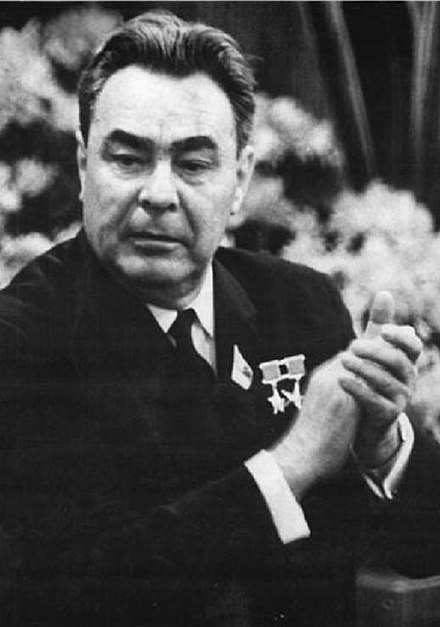
Left: Soviet Foreign Minister Andrei Gromyko; Center: Afghan President Nur Muhammad Taraki; Soviet General Secretary Leonid Brezhnev. The Kremlin was angered that Amin had not only toppled Taraki who had its backing, but had him killed.

On September 14, Taraki invited Amin, to a meeting at the presidential palace. It was supposed to be an ambush on Amin, orchestrated by Taraki’s Soviet advisers, but Amin was tipped off about the trap as he arrived. After a short but bloody shoot out, Amin escaped unharmed but more ruthless from the experience. As acting Defense Minister, Amin returned later that day with an Army contingent and placed Taraki under house arrest. He subsequently had Taraki executed on October 9, much to the shock of the Soviet leadership. News of Taraki’s execution deeply dismayed Brezhnev, who had personally assured the Afghan leader of his support and protection. “What a scum this Amin is,” Brezhnev is alleged to have remarked. Brezhnev’s strong reaction and sense of personal insult gave strong impetus to continuing discussions about the prospect of removing Amin.

Amin’s power grab only exacerbated Soviet apprehensions that the situation in Afghanistan was spiraling out of control. Taraki’s execution demonstrated a complete disregard for Moscow’s wishes and showed that he was unresponsive to Soviet counsel. Resistance to the government was also growing more violent as Islamic opposition fighters, the Mujahideen, declared a jihad against the Communists. Pakistani military assistance to the Mujahideen only further destabilized the situation. The Soviets feared that the government in Kabul would collapse dealing a crushing blow to their prestige and give rise to an anti-Soviet, Islamist Afghanistan on their southern border. However, one factor above all may have tilted the Soviet decision-making calculus toward a full scale military intervention to oust Amin and stabilize the situation.

The Afghan Mujahideen

As Amin showed a greater willingness to buck the Soviets while he consolidated power, he also began to reach out to the United States about improving relations. Amin almost certainly knew that his arrest and subsequent execution of Taraki were not well received in Moscow and that he probably needed a hedge against over dependence on the Soviet Union. On October 27, 1979, Amin met with acting American Chargé d’Affaires Archer K. Blood to discuss a possible rapprochement. Over the course of a forty minute meeting, Amin stressed his personal commitment to improving U.S.-Afghan relations, expressing his deep affection for the U.S. which he acquired during his time spent in the country as a student. He denied that Afghanistan was a Soviet puppet and declared that he could never sacrifice Afghan independence to any foreign demands, including from the Soviets. Blood came away from the meeting impressed by Amin and optimistic that he was truly interested in improving bilateral relations. Nevertheless, the United States still viewed Amin as a dangerous tyrant and Blood urged caution going forward citing a list of contentious issue in the relationship that would need to be addressed first. Amin was still held at least partly responsible for the murder of U.S. Ambassador Adolf Dubbs who was abducted at gunpoint in the middle of Kabul and killed in a botched rescue effort.

News of the meeting between Amin and Blood was met with alarm in Moscow. The Soviets had increasingly viewed Amin as a danger to stability inside Afghanistan.  They now worried that he was seeking a Geo-political realignment, much like Egyptian President Anwar Sadat’s expulsion of the Soviet military in 1972, with equally negative repercussions for Moscow’s regional influence and security interests. Two days after the meeting, Soviet Foreign Minister Gromyko, KGB Director Yuri Andropov, and Defense Minister Dmitri Ustinov sent a report to the Central Committee warning that there were disturbing signs that the new Afghan leadership intended to conduct a “more balanced policy” in relation to the Western powers. They further speculated that the United States was warming to the possibility of an improvement in relations with Kabul and a whole sale Afghan Geo-political realignment based on their contacts with Amin. The KGB concluded that the CIA had begun to work with Amin to manipulate Afghanistan’s relationship with the Soviet Union. KGB officers on the ground in Afghanistan then convinced their superiors in Moscow that drastic measures were needed to save the Afghan revolution. Amin needed to be eliminated or at a minimum removed from office.

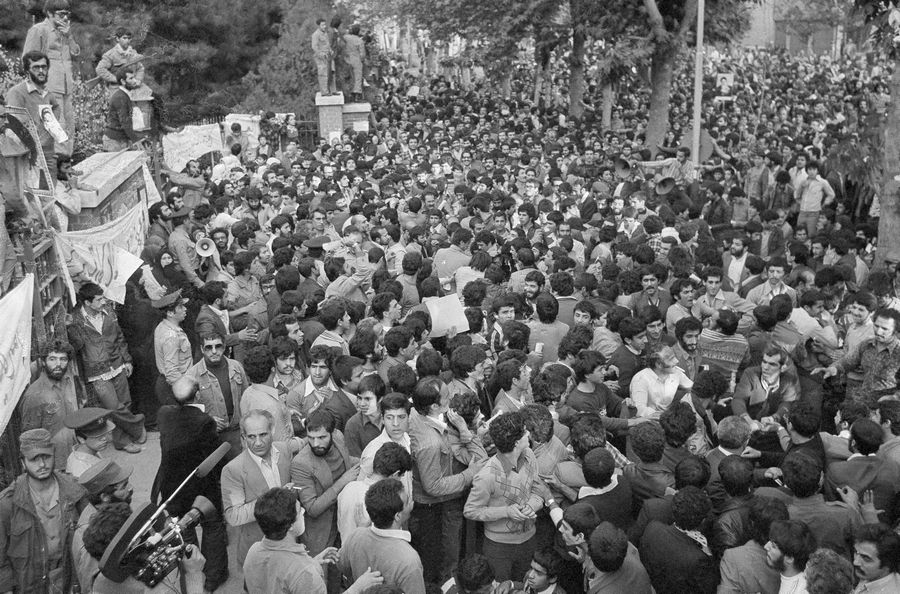
A mob of Iranian students take over the U.S. Embassy in Tehran in November 1979.

In the collective mind of the Soviet security apparatus, Afghanistan was a natural target for the U.S.  In January 1979, the Iranian revolution had forced the abdication of long-time American ally Shah Mohammad Reza Pahlavi.  The advent of a hostile regime led by Ayatollah Ruhollah Khomeini was a devastating blow to U.S. power and influence in the region and its prestige around the world. Moscow worried that Washington would try to recoup some of its lost influence through Afghanistan and more importantly find a replacement location for the highly secret intelligence collection sites it had maintained in Iran to track Soviet military activities.

At the same time, the Mujahideen insurgency in the countryside continued to grow with the Afghan army repeatedly proving itself ineffective, despite the increased Soviet involvement in guiding Afghan combat operations and logistics. Mutinies were spreading throughout the Army. In mid-October, the entire 7th Infantry Division, which was led by Taraki loyalists, revolted and launched an attack on the capital. After several days of heavy fighting, the mutiny was finally suppressed but it was clear the regime was divided and struggling to defend itself. The government in Kabul now controlled at most only 25 percent of the country.

By the end of November 1979, the prevailing view amongst the Soviet leadership was that Amin needed to be replaced because of his disloyalty and ineffectiveness. Soviet officials were making it known on the diplomatic circuit that, even though the USSR continued to provide weapons, equipment and advisors to the existing regime, Moscow was trying to come up with an alternative leader. On December 4, Andropov wrote Brezhnev with a solution. He had been contacted by exiled Afghan communists, including former Parcham faction head Babrak Karmal, who had “worked out a plan for opposing Amin and for creating ‘new’ party and state organs” and requested assistance. With Karmal now waiting in the wings, the question now became how and when to get rid of Amin.

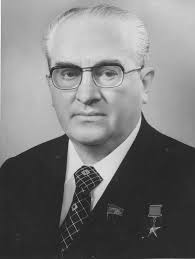
On December 8,  Brezhnev hosted a small group meeting of key Politburo members— KGB Director Yuri Andropov, Defense Minister Dmitri Ustinov, Foreign Minister Andrei Gromyko, and chief Party ideologist Mikhail Suslov— to review the situation in Afghanistan and determine next steps. These four men had come to dominate Soviet foreign policy especially as Brezhnev grew more ill and incapacitated. Leading the discussion, Andropov expressed reservations about Amin’s loyalty, his contacts with the United States, and his inability to curb the growing insurgency and anti-Soviet sentiment. Ustinov followed next warning that the deteriorating situation threatened the security of the Soviet Union’s southern border. Moreover, an Afghanistan more closely aligned with the United States could become a forward operating base for U.S. military forces including Pershing II missiles. The group tentatively agreed to direct the KGB to remove Amin and replace him with the Babrak Karmal. They also agree to send an undetermined number of Soviet troops to Afghanistan for the same purpose. These decisions were perfunctorily ratified by the larger Politburo on December 12, with Prime Minister Alexei Kosygin, who consistently opposed the idea of an invasion, noticeably absent.

Defense Minister Ustinov informed Chief of the General Staff, Nikolai Ogarkov on December 10 that a decision had been made to send Soviet troops to Afghanistan and directed him to plan for a 70,000-80,000 man deployment. The General Staff had been planning for such a contingency since the Herat uprising and had been surreptitiously deploying military forces to Afghanistan and along its borders for weeks and months. Ogarkov and his deputy, General of the Army Sergei Akhromeev, however, were much less enthusiastic about the mission than Ustinov. Ogarkov argued that 80,000 troops were not enough for the mission. The 1968 invasion of Czechoslovakia, a country with more favorable terrain, required 500,000 troops. He further warned that the Afghan people never tolerated foreign intervention and that they risked turning the entire Muslim world against the Soviet Union. Ustinov overruled Ogarkov’s concerns sternly reminding him that his job was not to teach the Politburo its business but to carry out its orders.

On December 13, the KGB attempted to assassinate Amin by having one of his Soviet cooks slip poison into his favorite drink, Coca-Cola. However, the carbonation of the soda rendered the poison harmless allowing Amin to escape relatively unharmed. A couple of weeks later, the KGB attempted to poison his food again but the Soviet Embassy in Afghanistan, unaware of the plot, sent doctors to save him. The failure of the KGB assassination attempts left Moscow with few options other than military force to eliminate Amin.

The Die is Cast

Late in the evening of 24 December, units of the 103rd and 105th Airborne Divisions landed at Kabul airport and the military airfield at Bagram in the initial phase of what would become the Soviet invasion of Afghanistan. Over the next several days, waves of AN-22 and AN-24 military transport aircraft surged into Kabul and points South to include Shindad and Kandahar, carrying additional military forces, supplies and equipment. Engineers laid floating pontoon bridges across the Amu Darya near Termez and on Christmas Day Soviet tanks began to roll into Afghanistan. For months, Amin had been pressing Moscow to deploy additional military forces to help the Afghan Army defeat the Mujahideen insurgents in the countryside. So when these military forces suddenly began to arrive on Christmas Eve there was little immediate alarm or suspicion.

By the 27th the Soviets had assembled sufficient forces to control Kabul and began fanning out into the city, securing key communication nodes and the main ministries. On the evening of December 27, 700 special operators from the KGB Grom and Zenit groups, the 345th Independent Guards Airborne Regiment, and the 154th Separate Spetsnasz Detachment dressed in Afghan Amy uniforms attacked the Tajberg Palace. After about an hour of heavy fighting against Afghan National Army forces and the Presidential Guard inside and around the palace the battle ended with Amin’s body in a pool of blood. The next morning Radio Kabul announced, in Russian, that Amin had been tried and shot as an enemy of the people. By the end of December Babrak Karmal would be installed as President of Afghanistan while 80,000 Soviet troops occupied the country.

The Quagmire Begins

The Soviet invasion was intended to be a short and straight forward operation, similar to Hungary in 1956 and Czechoslovakia in 1968. Enter with overwhelming force, eliminate the problem individual or individuals and declare victory. And that is what Brezhnev seemed to have in mind. By the end of January 1980 Brezhnev considered the Afghanistan matter closed and ordered Soviet military forces home. However Andropov, Ustinov and Gromyko argued that withdrawing would be a serious mistake. Amin may have been eliminated but Karmal would need time to consolidate his power and stabilize the country. Soviet military forces should remain until the Afghan government was strengthened, they argued in a report to Brezhnev. Moreover, pulling out too soon would prompt the Afghans and others to question the Soviet Union’s reliability as a partner.

Mujahideen fighters use a “Stinger” missile to take down a Soviet helicopter gunship

The rest of the story as they say is history. Amin’s death removed a major complicating factor for Moscow in Afghanistan but did little to curb the growing insurgency. In fact, the Soviet invasion only served to strengthen and expand the ranks of the Mujahideen resistance. Over the next nine years, the Soviets would find themselves bogged down in a guerrilla war against a determined and resilient Islamic insurgency, aided and abetted by covert military assistance from the United States. In the end Ogarkov’s predictions proved tragically correct. The Afghan people refused to accept a foreign occupation and the invasion only turned a large part of the Muslim world against the Soviet Union.

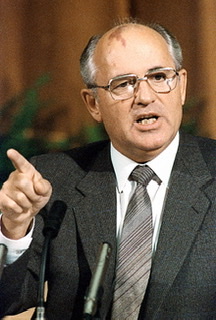
Soviet President And Secretary General of the Communist Party of the Soviet Union, Mikhail S. Gorbachev

By the mid-1980s the Soviet public began to sour on what came to be seen as a never ending conflict. In March 1985, a new generation of Soviet leader, Mikhail Gorbachev, took power determined to revive the stagnating Soviet economy and to introduce new thinking into Soviet foreign policy. Gorbachev worried about the conflict in Afghanistan. At a Politburo meeting on October 17, 1985, he read letters from Soviet citizens expressing growing dissatisfaction with the war in Afghanistan—including “mothers’ grief over the dead and the crippled” and “heart-wrenching descriptions of funerals.” Gorbachev told the Politburo “If we don’t change approaches [to evacuate Afghanistan], we will be fighting there for another 20 or 30 years.” On April 14, 1988, the Soviets signed the Geneva Accords in which they promised to withdraw from Afghanistan. Less than a year later, the last Red Army units crossed the Termez Bridge into the Soviet Union, ending what Gorbachev had referred to as a “bleeding wound.”

Muscovites carry the portraits of young Soviet soldiers who fell in Afghanistan. The Soviets withdrew from the country 30 years ago.

As Marx argued in his essay, The Eighteenth Brumaire of Louis Napoleon, history repeats itself, first time as tragedy, second time as farce. The Soviet Union invaded Afghanistan seeking to eliminate one man, Hafizullah Amin, and tried to impose a foreign ideology, communism, on a largely tribal based society. It ultimately failed. The United States invaded Afghanistan, largely to eliminate one man, Osama bin Laden and also tried to impose a foreign ideology, democracy, on a tribal based society. After almost 20 years it’s not clear that the United States has been anymore successful.