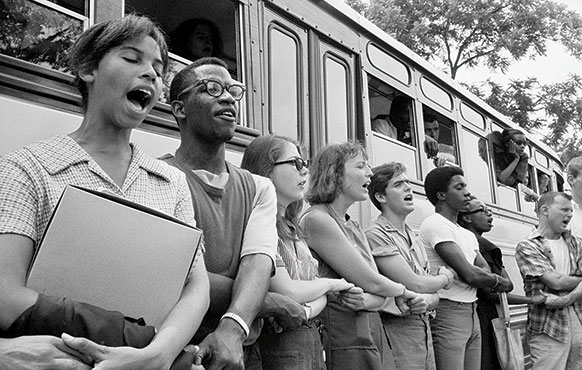
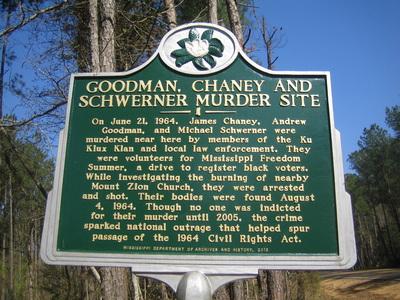
On June 21, 1964 three civil rights activist, Michael Schwerner, Andrew Goodman, and James Chaney were kidnapped and brutally murdered by the Ku Klux Klan in Neshoba County Mississippi. The three were part of what was called Freedom Summer when hundreds of students and young civil rights activists descended upon Mississippi to register and educate the African-American population about their voting rights and to combat the state’s white supremacist power structure that disenfranchised blacks. The murder of Schwerner, Goodman, and Chaney would prove instrumental in the passage of the landmark 1964 Civil Rights Act and the 1965 Voting Rights Act the following year.
The project was organized by the Council of Federated Organizations, a coalition of the four major civil rights organizations — the Student Non-Violent Coordinating Committee, the Congress of Racial Equality, the National Association for the Advancement of Colored People, and the Southern Christian Leadership Conference. The project set up dozens of Freedom Schools, Freedom Houses, and community centers in small towns throughout Mississippi to aid the local Black population.
Mississippi was chosen as the target of this effort because it had the lowest percentage of registered African-American voters of any state in the Union, only 6.7 percent of eligible black voters. Blacks had been restricted from voting since the turn of the century due to barriers to voter registration and other laws. Many of Mississippi’s white residents deeply resented these “outside agitators” and any attempt to change their ways. The Ku Klux Klan, the White Citizens’ Council, the Sovereignty Commission and even state and local law enforcement were engaged in a campaign of violence and harassment aimed intimidating these students and discouraging local African-Americans from cooperating with these outsiders. Schwerner, in particular, because of his work and “beatnik” appearance, attracted the attention of the Klan, which put him on their special hit list and gave him the code name “Goatee.”
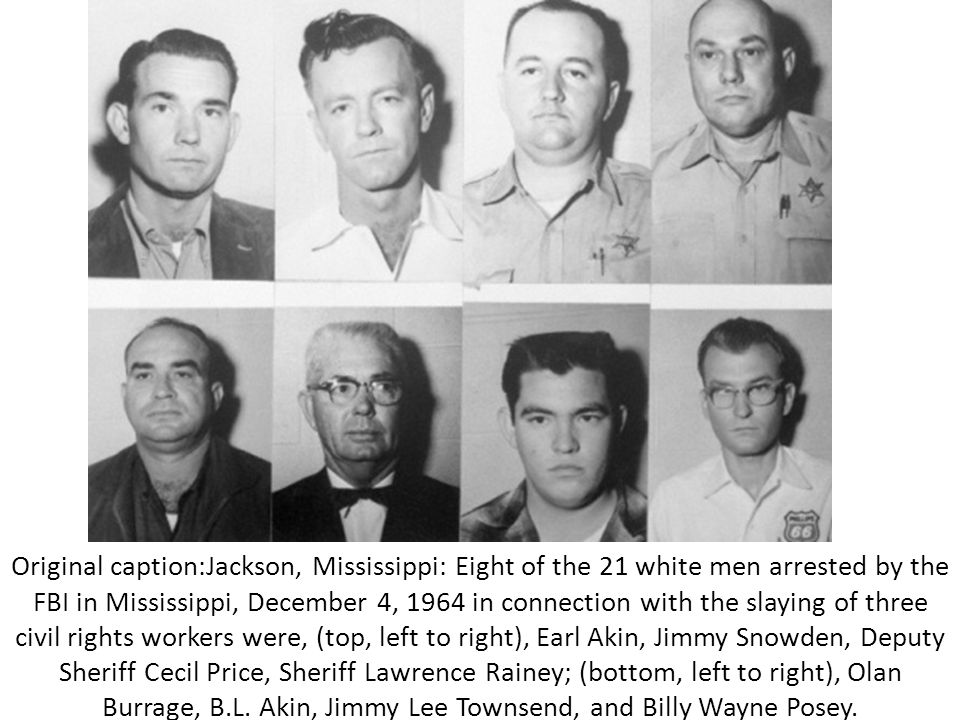
On June 21, 1964, Schwerner, Goodman, and Cheney went to investigate the burning of the Mt. Zion Church in Neshoba county Mississippi by the Klan that served as a Freedom School. They were stopped by Neshoba County Deputy Sheriff Cecil Price just inside the city limits of Philadelphia, the county seat. Price, a member of the KKK who had been looking out for Schwerner or other civil rights workers, threw them in the Neshoba County jail, allegedly under suspicion for church arson. Price kept them in jail for seven hours till late in the evening, denying them a phone call, before he released them on bail. During this time he organized,a plan with his fellow Klan members to murder the activists. Price escorted them out of town on a lonely dirt road and directed never to return. Shortly after exiting the town limits they were chased down by the Klan, pulled over, abducted and murdered. Schwerner and Goodman were shot in the head. Chaney was beaten and castrated before being shot. Their bodies were buried in a newly constructed earthen dam just south of town.
The ensuing FBI search for the three slain civil rights workers grabbed the attention of the nation and finally spotlight on Mississippi’s dreadful record on voting rights and the violent campaign against civil rights that was being waged in that state. On August 4, the remains of the three young men were found. The culprits were identified, but the state of Mississippi made no arrests. With the state unwilling to prosecute the case, nineteen men, including Deputy Price, were indicted on December 4, 1964 by the U.S. Justice Department for violating the civil rights of Schwerner, Goodman, and Chaney (charging the suspects with civil rights violations was the only way to give the federal government jurisdiction in the case). After nearly three years of legal wrangling, in which the U.S. Supreme Court ultimately defended the indictments, the men went on trial in Jackson, Mississippi. Three later an all-white jury found seven men guilty, including Price and KKK Imperial Wizard Sam Bowers. Nine were acquitted, and the jury deadlocked on three others. The mixed verdict was hailed as a major civil rights victory, as no one in Mississippi had ever before been convicted for actions taken against a civil rights worker. None of the convicted men served more than six years behind bars.
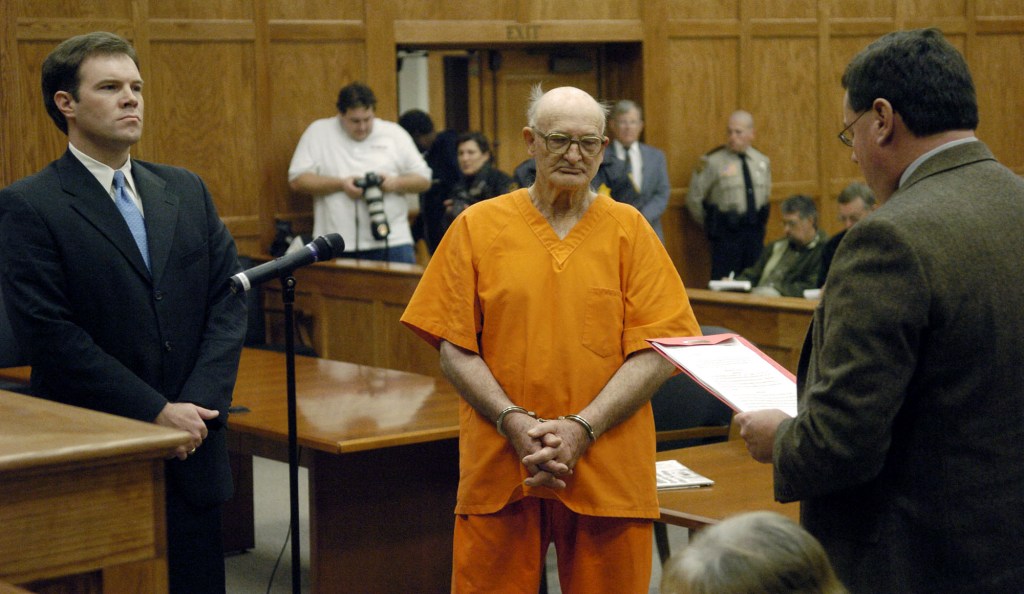
On June 21, 2005, the forty-first anniversary of the three murders, Edgar Ray Killen, was found guilty of three counts of manslaughter for his role in the case. At eighty years of age and best known as an outspoken white supremacist and part-time Baptist minister, he was sentenced to 60 years in prison. He died in prison on January 11, 2018, six days before his 93rd birthday.
Flanked by public defender Chris Collins, left, reputed Ku Klux Klan member Edgar Ray Killen listens as Neshoba County District Attorney Mark Duncan, right, reads the indictment charging Killen with murder in the slayings of three civil rights workers more than 40 years ago, during his appearance in circuit court, Friday, Jan. 7, 2005, in Philadelphia, Miss. (AP Photo/Rogelio Solis)
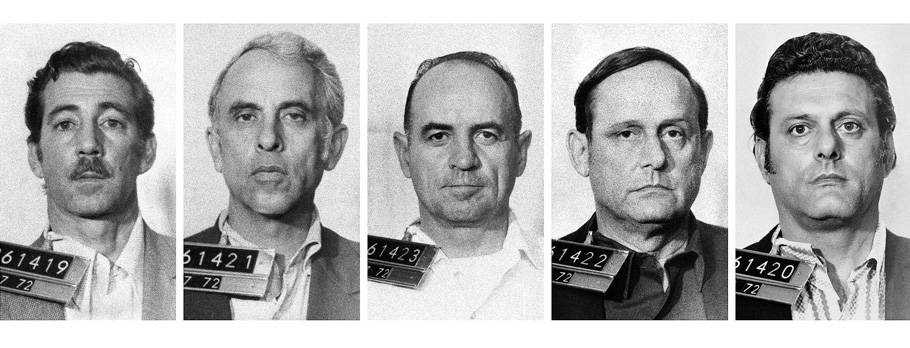
Late in the evening on June 17, 1972, five men were arrested at the National Democratic Headquarters in the Watergate Hotel in Washington DC in what appeared to be a routine burglary at first glance. Follow on investigations revealed that these men—identified as Virgilio Gonzalez, Bernard Barker, James McCord, Eugenio Martinez, and Frank Sturgis— were not your ordinary run of the mill petty criminals but operatives working for the Committee for the Re-election of President Richard Nixon. They had been caught wiretapping phones and stealing documents as part of a larger campaign of illegal activities developed by Nixon aide G. Gordon Liddy to ensure Nixon’s re-election. On September 15, 1972, a grand jury indicted the five office burglars, as well as Liddy and another Nixon aide E. Howard Hunt for conspiracy, burglary, and violation of federal wiretapping laws. President Nixon denied any association with the break-in and most voters believed him, winning re-election in a landslide. At the urging of Nixon’s aides, five pleaded guilty to avoid trial; the other two were convicted in January 1973.
Left: Virgilio Gonzalez, James McCord, Eugenio Martinez, Bernard Barker, and Frank Sturgis
The Wartergate Hotel
Nixon’s passionate denials aside, there was a pervasive sense, as well as evidence, that there was more to this story than simply five low level campaign workers acting independently in criminal activities against their political rivals. There were unanswered questions and numerous threats that all pointed to a darker conspiracy and greater White House involvement. On February 7, 1973, the United States Senate voted unanimously to create a Senate select committee to investigate the 1972 Presidential Election and potential wrongdoings. The committee which consisted of four Democratic and three Republican Senators, was empowered to investigate the break-in and any subsequent cover-up of criminal activity, as well as “all other illegal, improper, or unethical conduct occurring during the Presidential campaign of 1972, including political espionage and campaign finance practices.” Committee hearings were broadcast live on television in May 1973 and quickly became “must see TV” for an inquiring and curious nation. Although Nixon repeatedly declared that he knew nothing about the Watergate burglary, former White House counsel John Dean III testified that the president had approved plans to cover up White House connections to the break-in. Another former aide, Alexander Butterfield, revealed that the president maintained a voice-activated tape recorder system in various rooms in the White House which potentially contained information implicating the President in a criminal conspiracy. Only one month after the hearings began, 67 percent believed that President Nixon had participated in the Watergate cover-up.
Washington Post Reporters Carl Bernstein and Bob Woodward who played a pivotal role in breaking the Watergate story.
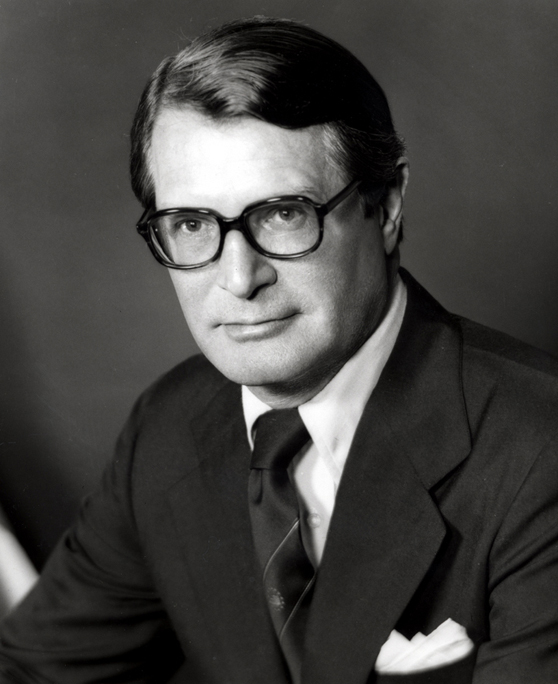
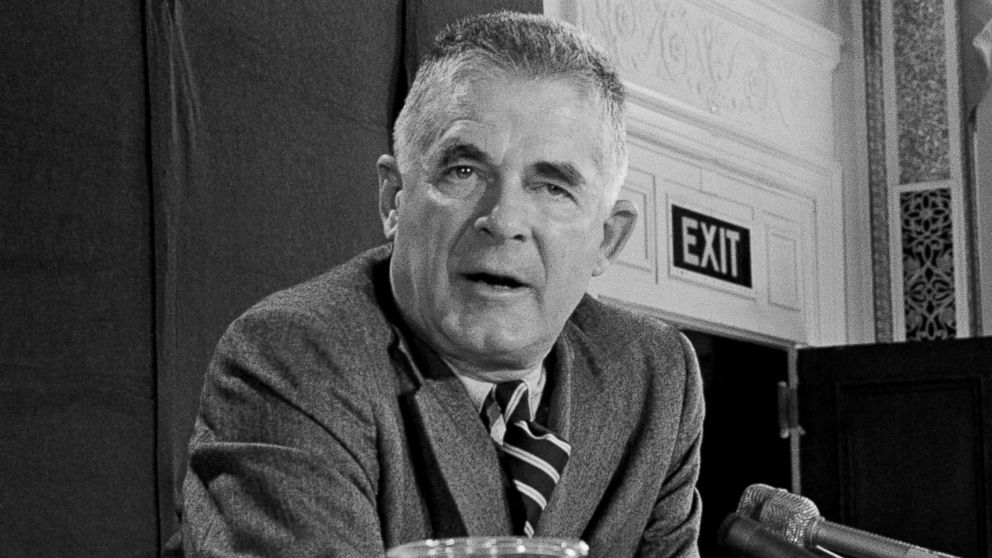
The revelation that there were recordings of potentially damaging information implicating Nixon and his efforts to prevent their disclosure soon became the central drama of the story. Nixon struggled to protect the tapes during the summer and fall of 1973. His lawyers argued that the president’s executive privilege allowed him to keep the tapes to himself, but the Senate committee and an independent special prosecutor named Archibald Cox were all determined to obtain them. On October 20, 1973, after Cox refused to drop the subpoena, Nixon ordered Attorney General Elliot Richardson to fire the special prosecutor. Richardson resigned in protest rather than carry out what he judged to be an unethical and unlawful order. Nixon then ordered Deputy Attorney General William Ruckleshaus to fire Cox, but Ruckelshaus also resigned rather than fire him. Nixon’s search for someone in the Justice Department willing to fire Cox ended with the Solicitor General, Robert Bork. Though Bork said he believed Nixon’s order was valid and appropriate, he considered resigning to avoid being “perceived as a man who did the President’s bidding to save my job”. This chain of events would go down in history as the “Saturday Night Massacre” and further turn the American public against Nixon. Responding to the allegations that he was obstructing justice, Nixon famously replied, “I am not a crook.”
Left: Attorney General ElliotRichardson, Special Prosecutor Archibald Cox, and Deputy Attorney General William Ruckleshaus
Things went from bad to worse for the White House in the new year. On February 6, 1974, the House of Representatives began to investigate the possible impeachment of the President. Less than a month later, on March 1, 1974, a grand jury indicted several former aides of Nixon, who became known as the “Watergate Seven”—H.R. Haldeman, John Ehrlichman, John N. Mitchell, Charles Colson, Gordan C. Strachan, Robert Maridan and Kenneth Parkinson for conspiring to hinder the Watergate investigation. The grand jury secretly named Nixon as an unindicted co-conspirator. However the special prosecutor dissuaded them from an indictment of Nixon, arguing that a president can be indicted only after he leaves office, creating a precedent that lasts even today.
Nixon eventually released select tapes in an effort to tamp down growing public criticisms and perceptions that he was hiding something. The President announced the release of the transcripts in a speech to the nation on April 29, 1974 but noted that any audio pertinent to national security information could be redacted from the released tapes. This caveat almost immediately fueled suspicions that the White House was indeed hiding something more damning. The issue of the recordings and whether the White House was obligated to comply with the Congressional subpoena tapes went to the United States Supreme Court. On July 24, 1974, in United States v. Nixon, the Court ruled unanimously that claims of executive privilege over the tapes were void. The Court ordered the President to release the tapes to the special prosecutor. On July 30, 1974, Nixon complied with the order and released the subpoenaed tapes to the public.
Nixon: “I am not a crook!”
Nixon’s fate was largely sealed on August 5, 1974 when the White House released a previously unknown audio tape that would prove to be a “smoking gun” providing undeniable evidence of his complicity in the Watergate crimes. The recording from June 23, 1972, less than a week after the break-in, revealed a President engaged in in-depth conversations with his aides during which they discussed how to stop the FBI from continuing its investigation of the break-in. Two days later, a group of senior Republican leaders from the Senate and the House of Representatives met with Nixon and presented him with an ultimatum, resign or be impeached.
On August 8, in a nationally televised address, Nixon officially resigned from the Presidency in shame. The following day he and his family departed the White House one last time, boarded Marine One and flew to Andrews Air Force base where they were shuttled back to their home in California. Vice President Gerald Ford was sworn in as President shortly thereafter. He would issue a full and unconditional pardon of Nixon on September 8 immunizing him from prosecution for any crimes he had “committed or may have committed or taken part in” as president.
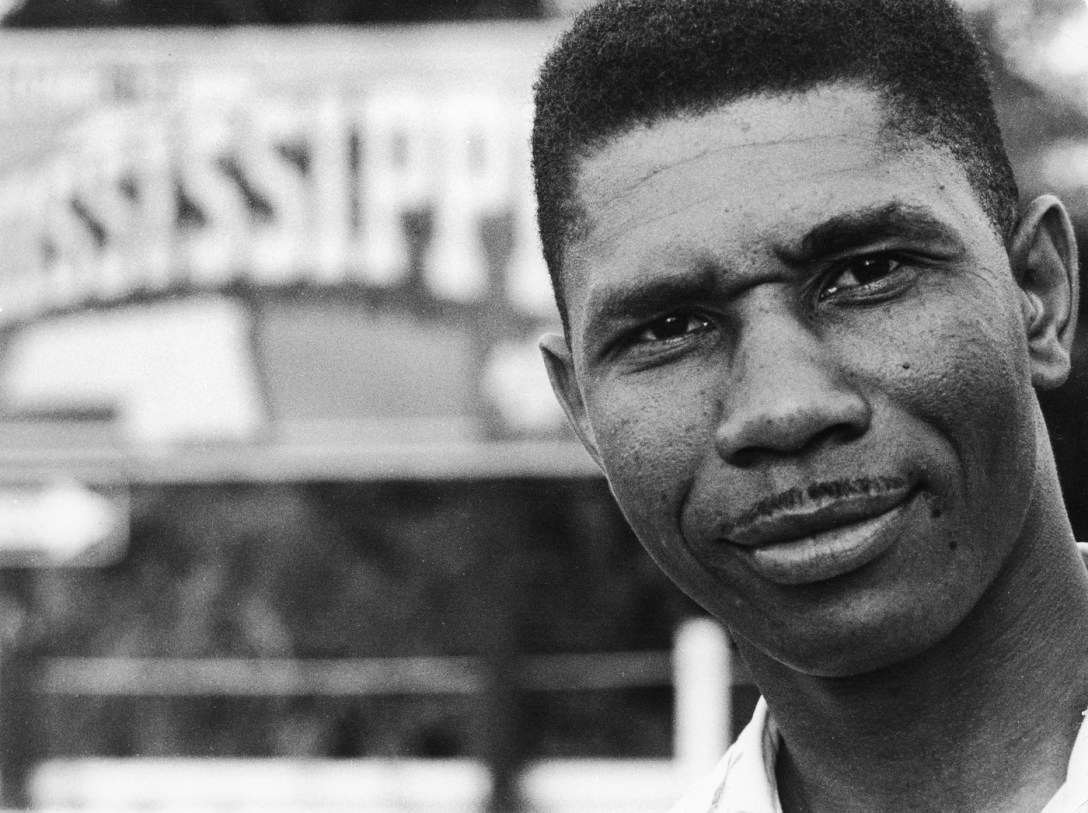
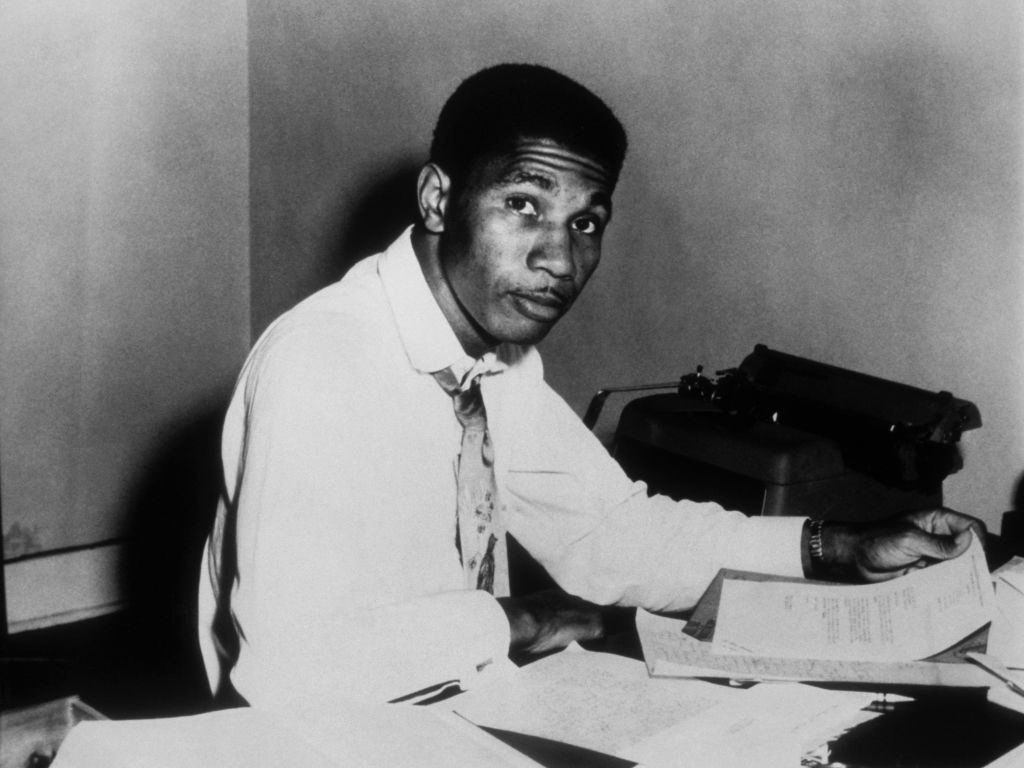
On June 12, 1963, civil rights activist Medgar Evers was gunned down in his driveway outside his home in Jackson Mississippi by white supremacist and segregationist Byron De La Beckwith. Emerging from his automobile after a late night NAACP meeting, Evers was shot in the back by Beckwith who had been positioned across the street waiting to ambush him. The bullet pierced through his heart but he managed to stagger to his door. Evers’ wife, Myrlie, and his three children—who were still awake after watching an important civil rights speech by President John F. Kennedy—heard the gun shot and hurried outside. They were soon joined by neighbors and police. Evers was rushed to the hospital where he was initially denied admission because of his race. He died less than 50 minutes later at the age of 37. Evers was buried on June 19 in Arlington National Cemetery with full military honors.
Medgar Evers, the NAACP Field Director for Mississippi
Evers was a decorated World War II veteran who had fought at Normandy in 1944. However, like many other African-American veterans, he returned to a nation that denied him his citizenship rights at the polls. In 1946, Evers attempted to cast a ballot but twenty armed white men, some of whom had been his childhood friends, had learned of his plans to vote and turned up to threaten him. Evers feared for his life. “I made up my mind that it would not be like that again,” he vowed.
Shortly after the landmark Supreme Court ruling in Brown v. Board of Education, Evers volunteered to challenge segregation in higher education and applied to the University of Mississippi School of Law. He was rejected on a technicality, but his willingness to risk harassment and threats for racial justice caught the eye of national NAACP leadership; he was soon hired as the organization’s first field secretary in Mississippi.
Evers was one of Mississippi’s leading civil rights activists. He fought racial injustices in many forms from segregation to how the state and local legal systems handled crimes against African Americans. Evers’ work put him squarely in the crosshairs of the White Citizens Council, a white supremacist group formed in the aftermath of the Brown ruling devoted to preserving segregation. He garnered national attention for organizing demonstrations and boycotts to help integrate Jackson’s privately owned buses, the public parks, Mississippi’s Gulf Coast beaches as well as the Mississippi State Fair. He led voter registration drives, and helped secure legal assistance for James Meredith, a black man whose 1962 attempt to enroll in the University of Mississippi was met with riots and state resistance.
Beckwith was arrested on June 21, 1963 for the murder of Evers but would escape conviction for most of his life, largely due to the racist system of justice that dominated the deep South in the 1960s. He was tried twice in February and April 1964 but in each trial the two all white juries failed to reach a verdict resulting in two mistrials. Beckwith received the support of some of Mississippi’s most prominent citizens, including then-Governor Ross Barnett, who appeared at Beckwith’s first trial to shake hands with the defendant in full view of the jury. After his release Beckwith bragged about his skill with a rifle and hinting to segregationist friends that, indeed, he had killed Evers.
That Beckwith would not be held accountable, while reprehensible, was hardly surprising and consistent with what was increasingly the norm across the South. African-Americans and civil rights activists could expect little legal protection from the courts and law enforcement in the 1960s South which operated largely to preserve segregation and often ignored the facts when white defendants were accused of harming African-Americans. Moreover, most African-Americans were still disenfranchised by Jim Crow laws and therefore ineligible for jury duty. The two white men who murdered fourteen year old Emmet Till eight years earlier for allegedly whistling at a white woman were acquitted . The Ku Klux Klan members that perpetrated the 16th Street Baptist Church bombing in Birmingham, Alabama later that year also escaped justice. The same for the murderers of three civil rights workers in Mississippi the following year.
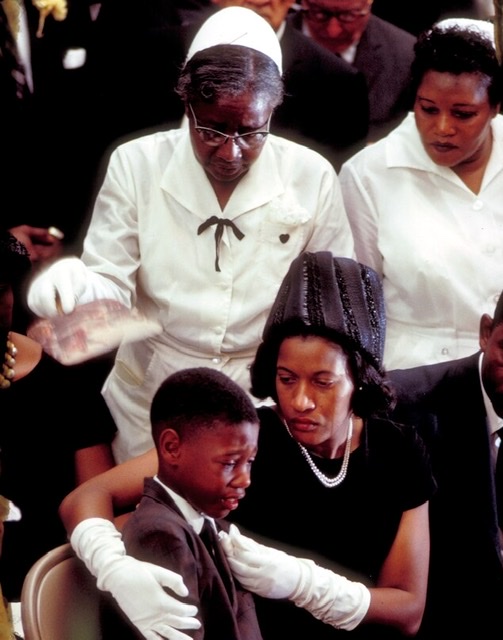
Mylie Evers and son Daniel Kenyatta Evers at Medgar Evers’ funeral
Evers’ assassin, the unrepentant Byron De La Beckwith
Evers was one of Mississippi’s leading civil rights activists. He fought racial injustices in many forms from segregation to how the state and local legal systems handled crimes against African Americans. Evers’ work put him squarely in the crosshairs of the White Citizens Council, a white supremacist group formed in the aftermath of the Brown ruling devoted to preserving segregation. He garnered national attention for organizing demonstrations and boycotts to help integrate Jackson’s privately owned buses, the public parks, Mississippi’s Gulf Coast beaches as well as the Mississippi State Fair. He led voter registration drives, and helped secure legal assistance for James Meredith, a black man whose 1962 attempt to enroll in the University of Mississippi was met with riots and state resistance.
Evers’ home and the driveway where he was shot
Evers’ assassination was a pivotal moment in the Civil Rights movement, a bloody milestone in the fight for racial equality that began with the murder of 14 year-old Emmett Till eight years earlier. It would also prove to be a harbinger of the assassination of Martin Luther King, Jr. by James Earl Ray five years later.
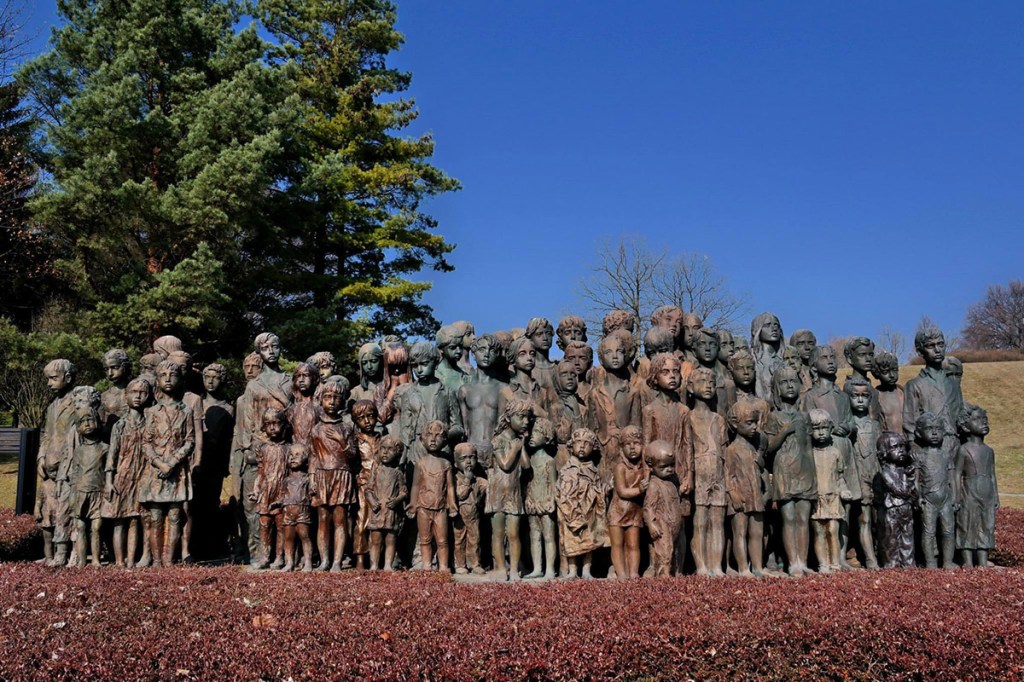
On June 10, 1942, the entire Czechoslovakian village of Lidice was wiped from from the face of the earth in retaliation for the assassination of SS leader Reinhard Heydrich by the Czech underground three weeks earlier. All 172 men and boys over the age of 16 were shot and killed. The women of the village were all sent to the Ravensbruck concentration camp where most died. Ninety young children were sent to the concentration camp at Gneisenau, with some later taken to Nazi orphanages if they were German looking. The Nazis then proceeded to raze the village until not a trace of it remained. All homes were destroyed, trees were chopped down, animals were killed, and even the cemetery was demolished. Soon, all that remained of Lidice was an empty field. It was as if it never existed.
A memorial to the murdered children of Lidice
Adolf Hitler personally ordered the destruction of Lidice. One account claims that Hitler randomly pointed to a village on a map as the target of his vengeance and Lidice was the unfortunate victim. Other more likely accounts, claim that Lidice was selected because the village had harbored and aided Heydrich’s assassins.
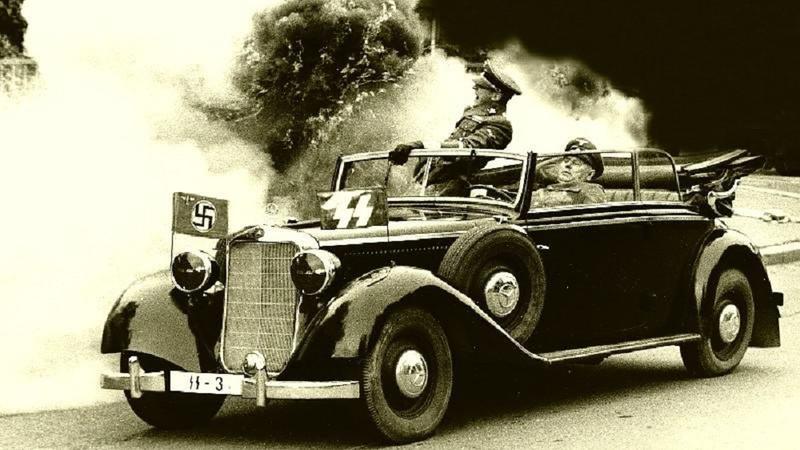
Heydrich, who organized the Kristalnacht attacks against German Jews in pre-war Germany and was the primary architects of the Final Solution, was probably one of the most barbarous and heinous of all the Nazis, demonstrating clear sociopathic tendencies, even by Nazi standards. In addition, to serving as the head of the SS, Heydrich was also acting as “Reichsprotektor,” or Governor, of what the Nazis called the protectorate of Bohemia and Moravia. The Nazis had occupied Czechoslovakia since April 1939. In 1940, they carved out the independent puppet state of Slovakia and absorbed the remaining Czech lands into the Greater German Reich.
Heydrich was one of Hitler’s favorite lieutenants and was sent to Prague near the end of September 1941 and tasked with suppressing rising anti-German sentiment and keeping up production quotas of Czech motors and arms that were “extremely important to the German war effort. Heydrich’s methods were brutal. Within two months of arriving, Heydrich established Protectorate special courts, which sentenced 342 people to be executed. Another 1,200 citizens were handed over to the Gestapo for imprisonment. A large number of Czechs were used as forced labor to support the German war effort while Heydrich set out to erase all signs of Czech national identity. Heydrich told his staff, “We will Germanize the Czech vermin.” To this end, he set in motion a multi-faceted plan. Heydrich ordered teams of doctors and technicians to conduct racial blood tests to determine which Czechoslovakians were “capable of becoming Germans.” At the same time, he sought to systematically dismantle Czechoslovakian culture and history and replace it with a Germanized version. Heydrich was very clear about his eventual goal: “This entire area will one day be definitely German, and the Czechs have nothing to expect here.” Eventually up to two-thirds of the populace were to be either deported to Russia or exterminated after Nazi Germany won the war.
Operation Anthropoid
In 1942, the Nazi occupation of Czechoslovakia was beginning to seem like it would last forever. The Czech government in exile in London was determined to kill Heydrich and end his brutal assault upon the Czech nation. Together with the British Special Operations Executive (SOE) they devised Operation Anthropoid.
In December 1941, two soldiers from the Czechoslovak army in exile, one Czech, Jan Kubis, and one Slovak, Jozef Gabcik, secretly parachuted into the former Czechoslovakia intending to kill Heydrich. Several plans had been under consideration but were deemed impractical. Eventually they decided on a plan to assassinate him as he was being driven to work.
Left: Jan Kubis,Right Jozef Gabcik
At 10:30 on 27 May 1942, Heydrich and his driver set off on their daily commute to Prague Castle in the center of the city. It was a nine mile journey that included a very sharp turn that required vehicles to slow down in order to safely navigate it. Here Kubis and Gabcik planned to ambush Heydrich. As Heydrich’s vehicle approached the turn and slowed down as expected, Gabčík, dropped his raincoat and raised his Sten submachine gun and, at close range attempted to shoot Heydrich, but the gun jammed. As the car passed, Heydrich made an ultimately fatal error; instead of ordering his driver to accelerate, he stood up and drew his Luger pistol yelling at the driver to halt.
As the Mercedes braked in front of him, Kubiš, who was not spotted by Heydrich or Klein, threw a modified explosive at the car; he misjudged his throw. Instead of landing inside the car, it landed against the rear wheel. Nonetheless, the bomb severely wounded Heydrich. Both the wounded Heydrich and his driver leaped from their vehicle a chasing after their would-be assassins. The driver ran towards Kubiš, who was also staggered by the explosion, but he recovered in time to jump on his bicycle and pedal away. Heydrich was now engaged in a shootout with Gabcik but he suddenly collapsed from the pain of his wounds allowing Gabcik to escape. Heydrich would succumb to his wounds on June 4.
Kubiš, Gabcik, and several other Czech partisans were eventually tracked down to the Saints Cyril and Methodius Cathedral in Prague. 750 SS soldiers descended on the Cathedral where a massive firefight ensued as the men hunkered down in the crypt and the prayer loft of the Cathedral. The Nazis were unable to take the men alive, and the standoff resulted in the deaths of them all, by both suicide and injuries sustained from the firefight.
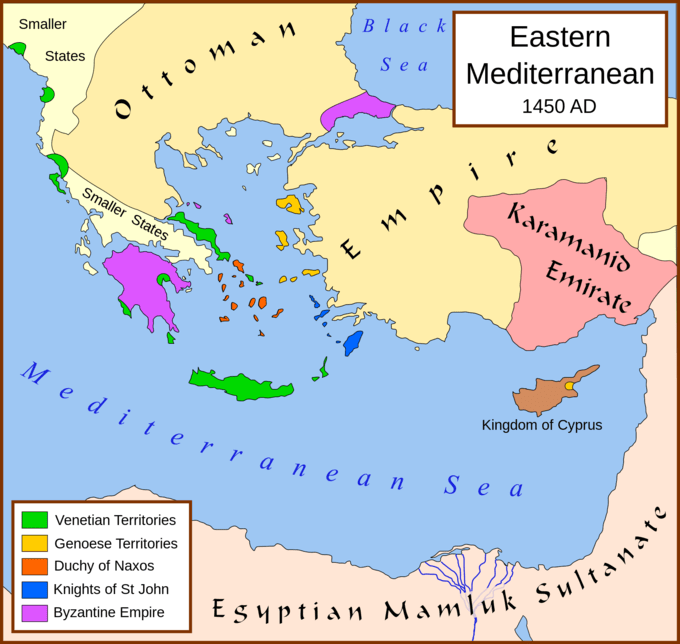
On the 29th day of May in the year of our Lord 1453, the Christian stronghold of Constantinople fell to the Muslim Ottoman Turks after a 53 day siege, thus marking an end to Byzantium and the last vestige of the 1500 year old Roman Empire. Enabled by the deep schism in Western Christendom, the conquest of Constantinople opened the door to further Ottoman advances north through the Balkans and an increased and Ottoman naval presence in the Mediterranean putting Christian Europe under constant threat from land and sea for the next 250 years.
The Roman Empire reached its peak of power in the first half of the 2nd century under the rule of emperor Trajan. However, as borders of the empire expanded to include virtually all of the coastline along the Mediterranean Sea and beyond, complications managing the empire also increased. Most notably the constant threat of attack from barbarian tribes outside of the empire such as the Visigoths, Huns, and Vandals.
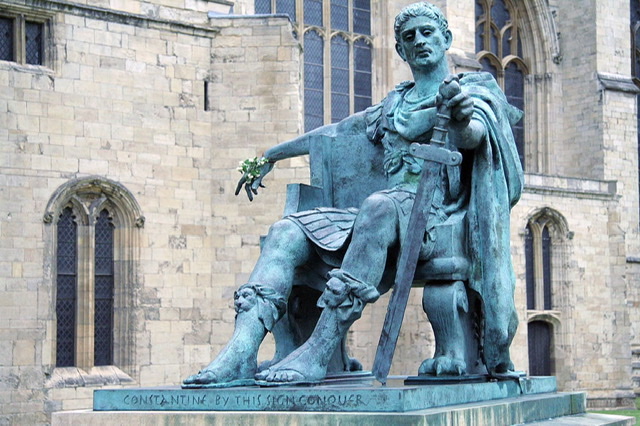
Emperor Constantine the Great
In 285 AD, Emperor Diocletian decided that the Roman Empire was too big to manage and he divided the Empire into two parts, the Eastern Roman Empire and the Western Roman Empire. Over the next hundred years or so, Rome would be reunited, split into three parts, and split in two again. Finally, in 395 AD, the empire was split into two for good. The Western Empire was ruled by Rome, the Eastern Empire was ruled by Constantinople, named after the Roman Emperor Constantine the Great who in 313 AD issued the Edict of Milan, which granted Christianity—as well as most other religions—legal status in the empire. In 410 AD, the Visigoths attacked and looted the city of Rome. The city was sacked again in 455 AD by the Vandals and in 476 AD after the battle of Ravenna, a Germanic barbarian by the name of Odoacer took control of Rome, deposing the emperor Romulus Augustulus, in what most historians consider the end of the Western Roman Empire and the beginning of the Middle Ages.
The Eastern half of the empire, which became known as Byzantium, managed to escape much of the barbarian violence that beset Rome because of geography and would survive for almost another 1000 years. Byzantine holdings would expand to include the Balkans, Egypt and parts of North Africa, Anatolia, the Levant, and parts of Italy and the Iberian Peninsula. However, by the mid-15th century Byzantine power had waned considerably weakened by constant struggles for dominance with its Balkan neighbors and Roman Catholic rivals in the West as well as being ravaged by the plague and disease. In the east, the Byzantines lost control of their once vast holdings in the Levant, first to the Arabs, and then in Anatolia to the newly emerging power the Ottoman Turks. The Ottomans had gained control over nearly all Byzantine lands with the exception of Constantinople. However, the Byzantines were granted a reprieve when Tamerlane invaded Anatolia in the Battle of Ankara in 1402 routing the Ottomans and taking the Sultan as a prisoner. The capture of Bayezid I threw the Turks into disorder.
Two decades later, the Ottomans under Sultan Murad II finally laid siege to Constantinople but he was forced to lift it in order to suppress a rebellion elsewhere in the empire. Other contingencies and military defeats would prevent Murad from trying to seize Constantinople again before his death in 1451.
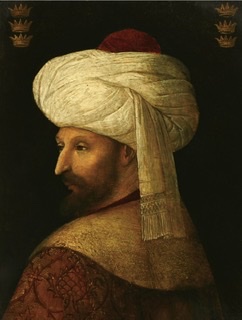
Sultan Mehmet II
By the time of Murad’s death the Byzantines were exhausted while a new Sutlan, determined to fulfill his father’s vision of conquering Constantinople, Mehmet II, ascended to the throne. In 1452, Mehmet put in motion a number necessary steps to carry out and sustain a siege of Constantinople, which set off alarm in the beleaguered city. Byzantine Emperor Constantine XI appealed to the major Christian powers across Europe for assistance but little would be forthcoming. Few Roman Catholic states felt compelled to assist the Orthodox Byzantines and many turned a deaf ear, including Pope Nicholas V who saw the Byzantines unfortunate predicament an opportunity to push for the reunification of the two churches, a priority of the papacy since 1054.
On April 6, 1453, the Ottoman army, led by the 21-year-old Sultan Mehmed II, laid siege to the city with 80,000 men. Despite a desperate last-ditch defense of the city by the massively outnumbered Christian forces (7,000 men, 2,000 of whom were eventually sent by Rome), Constantinople finally fell to the Ottomans after a two-month siege on May 29, 1453. The last Byzantine emperor, Constantine XI, was last seen casting off his imperial regalia and throwing himself into hand-to-hand combat after the walls of the city were taken.
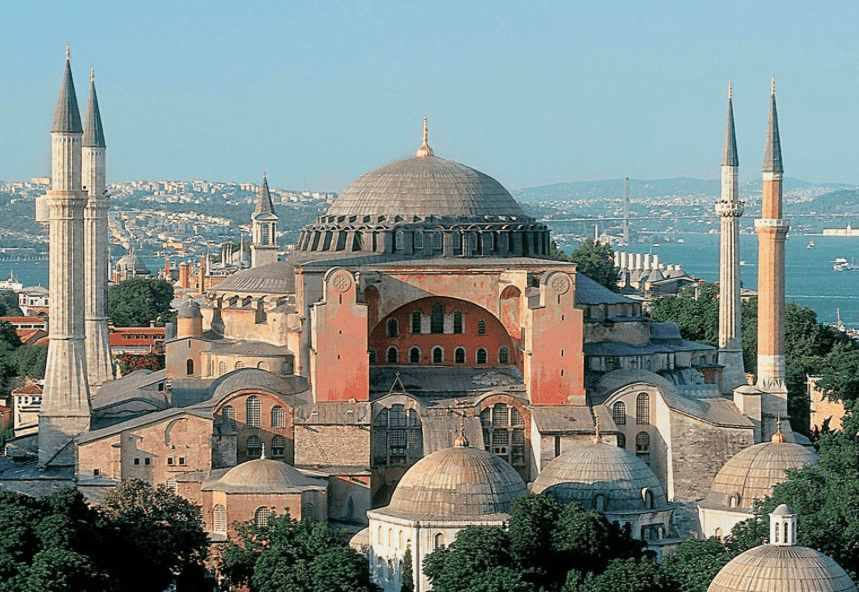
The capture of Constantinople marked the end of the Roman Empire, an imperial state that had lasted for nearly 1,500 years. The Ottoman conquest of Constantinople also dealt a massive blow to Christendom, as the Islamic Ottoman armies thereafter were left unchecked to advance into Europe without an adversary to their rear. After the conquest, Sultan Mehmed II transferred the capital of the Ottoman Empire from Edirne to Constantinople. Constantinople was transformed into an Islamic city: the Hagia Sophia became a mosque, and the city eventually became known as Istanbul.
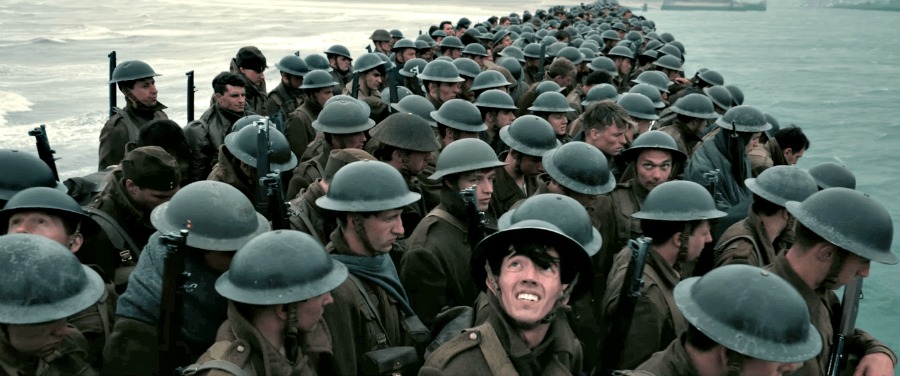
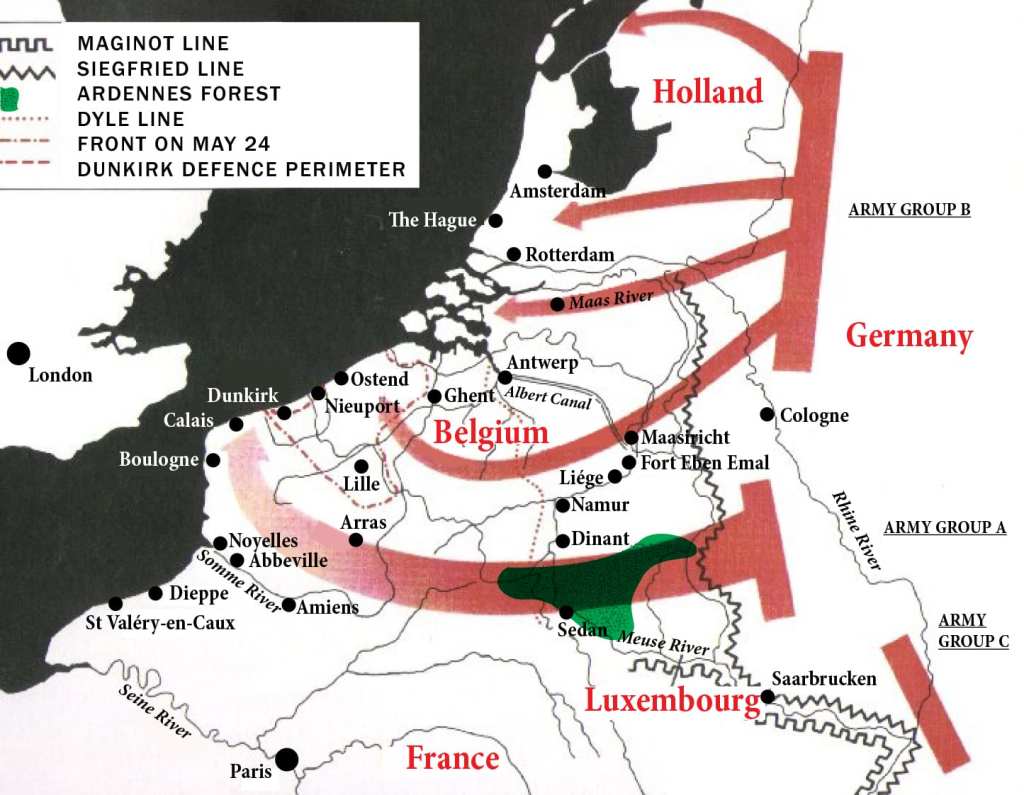
On May 26, 1940, Great Britain commenced Operation Dynamo, the evacuation of over 300,000 British, French, and Belgian soldiers from the beaches and harbor of the coastal French town of Dunkirk. These soldiers were isolated and trapped by the German Army during the six week battle for France. Facing what newly appointed Prime Minister Churchill called a “colossal military disaster,” the Royal Navy along with every private small craft that could be pressed into service safely evacuated these forces back to Great Britain over the course of the next nine days and under the constant threat of German Luftwaffe.
At the outset, Churchill and the rest of British command expected that the evacuation from Dunkirk could rescue only around 45,000 men at most. But the success of Operation Dynamo exceeded all expectations. On May 29, more than 47,000 British troops were returned; more than 53,000, including the first French troops, made it out on May 30. By the time the evacuations ended some 198,000 British and 140,000 French troops would manage to get off the beaches at Dunkirk—a total of some 338,000 men.
Germany had hoped defeat at Dunkirk would lead Britain to negotiate a speedy exit from the conflict. Instead, the “Miracle at Dunkirk” became a rallying cry for the duration of the war, and an iconic symbol of the British spirit. It would also ensure that Great Britain would survive to fight Nazi Germany another day.
On June 4, Churchill addressed a proud British nation advising caution not to assign the attributes of a victory to this rescue. He warned in a speech that “Wars are not won by evacuations.” In the same speech, however, he delivered a stirring statement of the British resolve that would serve the nation well over the next five grueling years of warfare, “We] shall not flag or fail. We shall go on to the end, we shall fight in France, we shall fight on the seas and oceans, we shall fight with growing confidence and growing strength in the air, we shall defend our Island, whatever the cost may be, we shall fight on the beaches, we shall fight on the landing grounds, we shall fight in the fields and in the streets, we shall fight in the hills; we shall never surrender.”
Two months later, the Nazis would begin the Battle of Britain, the first major military campaign fought entirely by air forces. Isolated and alone following France’s surrender, Great Britain would continue to bravely resist Nazi Germany on its own until Hitler ordered the invasion of the Soviet Union on June 22, 1941.
On May 24, 1856, John Brown, along with four of his sons and three other anti-slavery men descended upon a pro-slavery settlement along Pottawattamie Creek Kansas to avenge the sacking of the abolitionist stronghold of Lawrence, Kansas three days earlier.
John Brown at the time of the Pottawatomie Creek Massacre
On 21 May, over 800 pro-slavery ruffians led by former U.S. Senator from Missouri David Atchison descended upon Lawrence and proceeded to ransack the town. Thundering into town uncontested, they terrorized the citizenry, looted homes and businesses, and destroyed two newspaper offices, tossing the printing press of an abolitionist newspaper into a nearby river. As the coup de grace, they destroyed the Free State Hotel, built by the abolitionist Emigrant Aid Company, as a temporary residence for newly arrived anti-slavery settlers.
News of the heinous attack spread quickly. Brown and his sons rushed to the defense of the town but were too late to prevent its destruction. Brown was furious. He was appalled by the damage that was done but he was equally incensed that not a single abolitionist fired a gun in defense of the town. About the same time, news from Washington reached Kansas that abolitionist Senator Charles Sumner was nearly beaten to death with a cane by pro-slavery Congressman Preston Brooks, while giving a speech on the Senate floor titled “The Crimes Against Kansas.” Both of these incidents only served to reinforce his belief in the Old Testament concept of justice, “an eye for an eye,” and the folly of non-violent abolitionism.
Congressman Preston Brooks beating Senator Charles Summner with his cane.
The attack on Lawrence was a turning point for Brown. One that would put him firmly and irreversibly on the path to a violent war against slavery. No longer willing to sit idly by and frustrated by the caution and inaction of leadership of Kansas’ free state movement, Brown vowed to retaliate for the attack on Lawrence. “Now something must be done… Something is going to be done now,” he told a small group of followers.
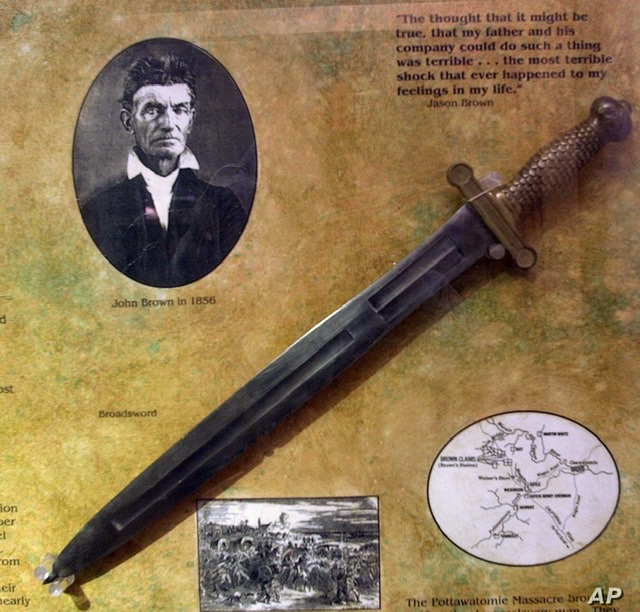
Brown believed that the pro-slavery forces needed to be taught a lesson. In the middle of the night of May 24, Brown and his sons dragged five pro-slavery men from their homes and brutally hacked them to death with broad swords. Word of what would become known as the Pottawattamie Massacre, quickly spread. Brown repeatedly denied involvement in this criminal action but his growing militant reputation and that of his family made them prime suspects.
One of the broad swords used in a Pottawatomie Massacre
The executions did not have the intended “restraining effect” that Brown sought. Instead they ushered in an extended period of retaliatory violence known as “Bleeding Kansas,” in which the Brown family would play a leading role. In early June, Brown and a band of free-state militia ambushed the camp of a pro-slavery ruffians who were hunting down Brown and his family in response to the Pottawatomie Massacre. After a three-hour gun battle, Brown and his militia defeated the pro-slavery forces in what would become known as the Battle of Black Jack. It was what Brown himself called, “the first regular battle between Free-State and proslavery forces in Kansas” and what would become the opening salvo in his war against slavery that would culminate three years later with his failed attempt to seize the Federal Arsenal at Harper’s Ferry Virginia and start a slave insurrection.
On May 17, 1954, the United States Supreme Court issued its landmark decision in the case of Brown vs. the Board of Educationof Topeka, that overturned the principle of “separate but equal” that served as the legal cornerstone for the system of racial segregation in the Jim Crow American South. The ruling would inspire and encourage African-Americans to challenge official segregation across the board, giving birth to what would become known as the Civil Rights Movement. It also provoked a violent and determined backlash from white supremacists power structures in the South who vowed a campaign of “massive resistance” to stymie implementation of the ruling.
Origins of Jim Crow
The origins of legally sanctioned racial segregation in the United States, or what would come to be known as Jim Crow, is usually traced back to the infamous 1896 Supreme Court decision in the case of Plessy vs. Ferguson. However, the beginnings of segregation in the South began a decade earlier with a collapse in agriculture prices. This agricultural depression decimated poor white farmers throughout the South and gave rise to a wave of radical populist politicians demanding a more equitable economic system. Wealthy conservative white Southern Democrats who held power in antebellum period and reclaimed their lofty perch after the collapse of Reconstruction, were put on the defensive. With few cards to play and facing a growing threat to their power from an unlikely partnership of poor white farmers and African-Americans, the Democrats turned to the race card and white supremacy to distract, deflect, and divide claiming white civilization was at risk. These Southern, white, Democratic governments passed various laws disenfranchising African-Americans and officially segregating black people from the white population by mandating separate schools, parks, libraries, drinking fountains, restrooms, buses, trains, and restaurants. “Whites Only” and “Colored” signs were constant reminders of the enforced racial order. It was authoritarian rule by one race directed at another.
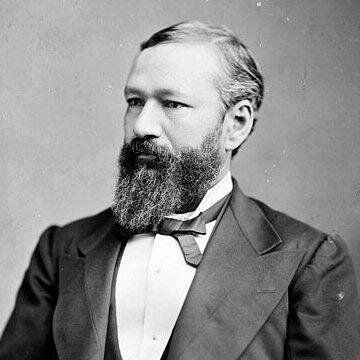
Homer Plessy
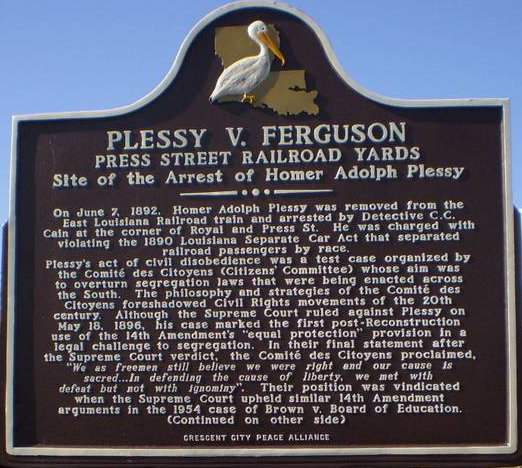
As African-Americans witnessed the pernicious impact of the imposition of racially segregated public facilities, the Black community of New Orleans opted to mount a resistance. In 1890, Louisiana passed a new law that required railroads to provide separate but equal accommodations for white and colored races. Homer Plessy, who was only one-eighth African American but under Louisiana law was considered Colored, decided to test the constitutionality of that law. On June 7, 1892, Plessy agreed to be arrested for refusing to move from a seat reserved for whites. Convicted by a New Orleans court of violating the 1890 law, Plessy filed a petition against the presiding judge, Hon. John H. Ferguson, claiming that the law violated the Equal Protection Clause of the 14th Amendment. Ferguson upheld the law and the case slowly made its way up to the Supreme Court.
On May 18, 1896, the U.S. Supreme Court voted 7-1 against Plessy, with the dissenting vote coming from Chief Justice John Harlan. The Court argued that equal but separate accommodations for whites and blacks imposed by Louisiana did not violate the Equal Protection Clause of the Fourteenth Amendment because plaintiff failed to prove that the separate accommodations were indeed inferior and that the protections of 14th Amendment applied only to political and civil rights not “social rights.” In his dissenting opinion, Chief Justice Harlan, a former slaveholder from Kentucky, argued that segregation ran counter to the constitutional principle of equality under the law: “The arbitrary separation of citizens on the basis of race while they are on a public highway is a badge of servitude wholly inconsistent with the civil freedom and the equality before the law established by the Constitution,” he wrote. “It cannot be justified upon any legal grounds.”
Separate but Not Equal
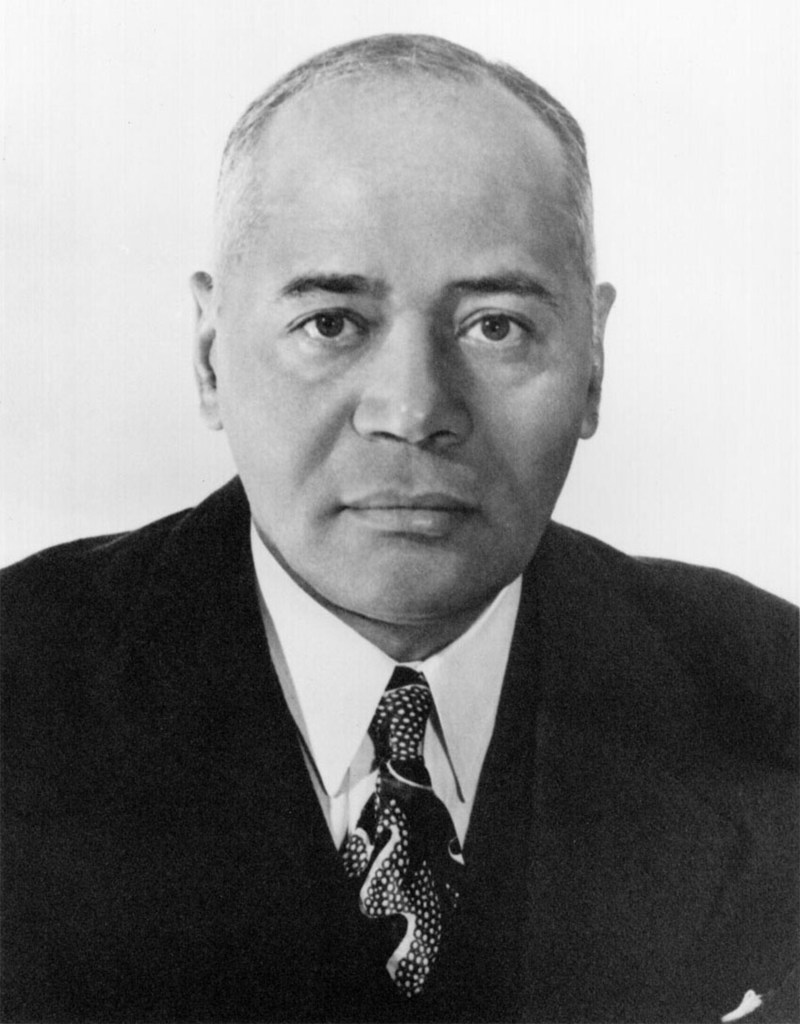
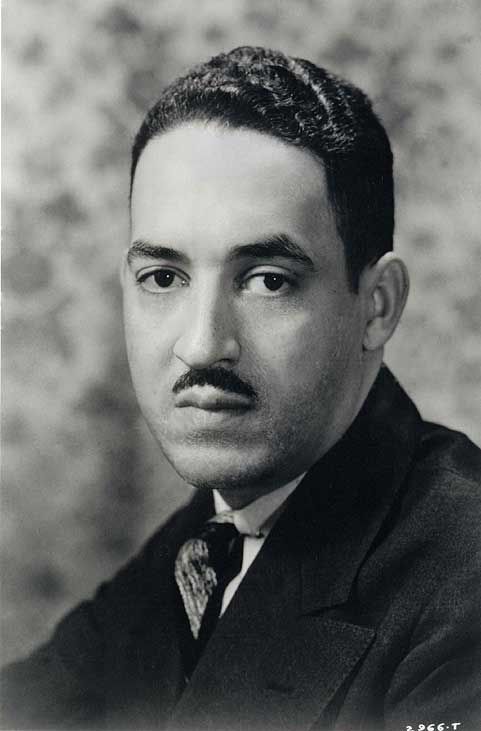
The Supreme Court’s ruling in Plessy v. Ferguson gave an imprimatur of constitutionality to racial segregation but it also carried the seeds of its demise. By the late 1930s, racial segregation in the American South began to come under increased scrutiny. The National Association for the Advancement of Colored People (NAACP) was determined to dismantle the legal theory of “separate but equal” by demonstrating that separate facilities, especially in the field of education, were in fact inferior and of a substandard quality. Attorney Charles Houston, head of the NAACP legal defense fund and his young protege Thurgood Marshall argued several cases in front of the Supreme Court on a number of cases that they believed would collectively erode segregation. In one case after the next, from 1935-1950, the NAACP repeatedly demonstrated that Southern state government were incapable of meeting the standard of separate but equal. For example, In Missouri ex rel. Gaines v. Canada (1939) Houston argued that it was unconstitutional for Missouri to exclude blacks from the state’s university law school when, under the “separate but equal” provision, no comparable facility for blacks existed within the state. In Sweat v. Painter (1949), Marshall argued that a hastily established law school for African-Americans in Texas did not meet the standard of equality. The Court agreed unanimously arguing that a separate school would be inferior in a number of areas, including faculty, course variety, library facilities, legal writing opportunities, and overall prestige. The Court also found that the mere separation from the majority of law students harmed students’ abilities to compete in the legal arena.
Left: Charles Houston, Right: Thurgood Marshall. Houston would die from a heart attack in 1950 before he could see his work come to fruition.
Houston and Marshall’s effort benefited enormously from a Supreme Court had become more progressive since the Plessy ruling, especially after Franklin D. Roosevelt appointed eight out of nine justices during his 12 years in office. Since the end of the Civil War, the court had played a restraining role in the advancement of civil rights, limiting the Federal Government’s ability to protect African-Americans 14th Amendment rights. That trend would begin to reverse by the end of World War II and gather steam by the mid-1950s.
American society was also changing, albeit at a more gradual pace. African-American men volunteered en masse to serve their country in World War I and fought bravely on the frontlines only to return home to a wave of racially motivated violence. African-American men would again unquestioningly heed the call to service in World War II. And when they returned home, they again met a similar fate. This time the beatings and murders of recently returned African American veterans in the South captured national attention, as well as the anger of President Truman, “My stomach turned over when I learned that Negro soldiers, just back from overseas, were being dumped out of army trucks in Mississippi and beaten,” Truman said. “Whatever my inclinations as a native of Missouri might have been, as president I know this is bad. I shall fight to end evils like this.” In a dramatic step, Truman would begin by desegregating the military in 1948.
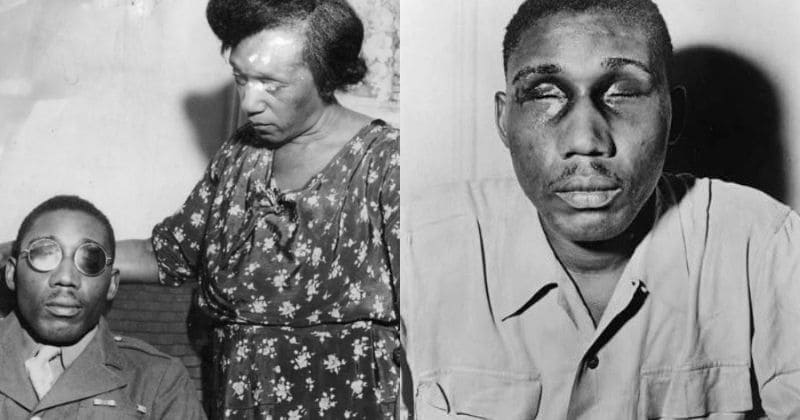
The arrest, beating and blinding of African American veteran Isaac Woodard by Batesburg, South Carolina police on February 12, 1946—hours after he was honorably discharged from the United States Army, and while still in uniform—caused a national furor and helped inspire Harry Truman’s move to desegregate the military.
Truman’s decision to integrate the U.S. military would fracture the Democratic Party and many Southern conservative white politicians who objected to this course organized themselves as a breakaway faction called the Dixiecrats. The Dixiecrats opposed racial integration and sought to maintain Jim Crow laws and white supremacist rule. They even ran an alternative candidate, South Carolina Governor Strom Thurmond in the 1948 presidential election, almost costing Truman the contest. Nonetheless, there were clear signs emerging that legalized racial segregation for the first time was now approaching a fatal rendezvous.
The Decline of Jim Crow
By 1950, the NAACP had amassed cases from Delaware, Virginia, South Carolina, Washington DC, and Kansas challenging the separate but equal standard that were bundled into one case Brown v. Topeka Board of Education. The plaintiff, Oliver Brown filed a class-action suit against the Board of Education of Topeka, Kansas after his daughter, Linda was denied entrance to Topeka’s all-white elementary schools. Brown, represented by NAACP Chief Counsel Thurgood Marshall, claimed that schools for Black children were not equal to the white schools, and that segregation violated the so-called “equal protection clause” of the 14th Amendment.
Wrapping up his presentation to the Court, Marshall emphasized that segregation was rooted in the desire to keep “the people who were formerly in slavery as near to that stage as is possible.” Even with such powerful arguments from Marshall the justices were divided on how to rule on school segregation. While most wanted to reverse Plessy and declare segregation in public schools to be unconstitutional, they had various reasons for doing so. Unable to come to a solution by June 1953 (the end of the Court’s 1952-1953 term), the Court decided to rehear the case in December 1953. During the intervening months, however, Chief Justice Fred Vinson died and was replaced by Gov. Earl Warren of California. After the case was reheard in 1953, Chief Justice Warren was able to do something that his predecessor had not—i.e. bring all of the Justices to agree to support a unanimous decision declaring segregation in public schools unconstitutional. On May 14, 1954, he delivered the opinion of the Court, stating that “We conclude that in the field of public education the doctrine of ‘separate but equal’ has no place. Separate educational facilities are inherently unequal. . .” By overturning the “separate but equal” doctrine, the Court’s decision in Brown v. Board of Education had set the legal precedent that would be used to overturn laws enforcing segregation in other public facilities.
Massive Resistance Begins
The Brown decision held that school segregation was unconstitutional, but the decision did not explain how quickly nor in what manner desegregation was to be achieved. In May 1955, the Supreme Court issued its implementation guidelines in a decision generally referred to as Brown II. In this ruling the Supreme Court chose not to set a deadline for the completion of desegregation and ordered the lower federal courts to oversee and manage the pace of desegregation “with all deliberate speed,” an ambiguous phrase that left room for a variety of interpretations of the meaning of “deliberate speed.” While Kansas and some other states acted in accordance with the verdict, many school and local officials in the South defied it hoping to drag out implementation as long as possible.
For many Southerners, the Brown decision was tantamount to a declaration of war. In Mississippie Jackson Daily News called the decision “the worst thing that has happened to the South since carpetbaggers and scalawags took charge of our civil government in reconstruction days,” and said it would lead to “racial strife of the bitterest sort.” Mississippi’s powerful Senator James Eastland, declared that “the South will not abide by nor obey this legislative decision by a political body.” In Virginia, Senator Harry Byrd denounced the opinion as “the most serious blow that has yet been struck against the rights of the states in a matter vitally affecting their authority and welfare.” In 1956, 82 representatives and 19 senators endorsed a so-called “Southern Manifesto” in Congress, urging Southerners to use all “lawful means” at their disposal to resist the “chaos and confusion” that school desegregation would cause. In many parts of the South, white citizens’ councils organized to prevent compliance. Some of these groups relied on political action; others used intimidation and violence. In Mississippi, fourteen year-old Emmett Till would become one of the first victims of the supercharged racial tensions following the Brown decision. J.W. Milan, who kidnapped, tortured, and murdered Till only to be found “not guilty” by an all-white jury declared, “Niggers ain’t gonna vote where I live. If they did, they’d control the government. They ain’t gonna go to school with my kids.”
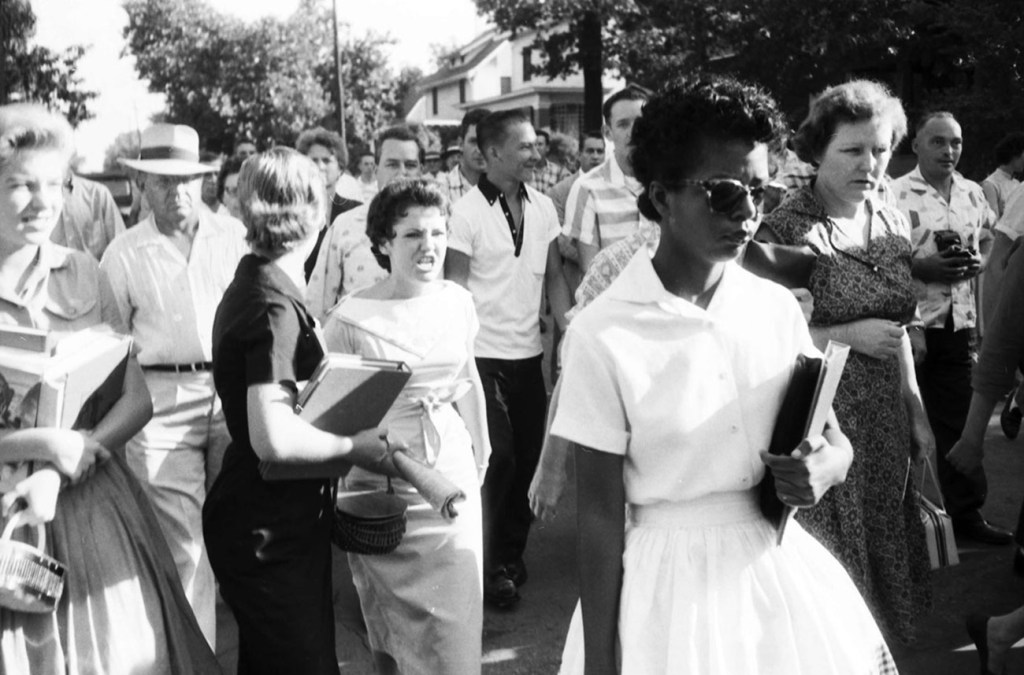
Resistance to the Brown ruling varied from state to state as traditional respect for the rule of law had been overwritten by the misinformed conviction of millions that the Brown decision was not the law of the land but the product of a federal government taken over by conspiratorial and foreign subversives. In Arkansas, Governor Orval Faubus called out the state National Guard to prevent Black students from attending high school in Little Rock in September 1957. After a tense standoff, President Eisenhower deployed federal troops, and nine students—known as the Little Rock Nine entered under armed guard. Troops remained in Little Rock for the 1957-1958 school year. After the troops were withdrawn, however, Governor Faubus closed Little Rock’s public schools for the 1958-1959 school year.
Left: Opposition to desegregation in Arkansas, Right: Elizabeth Eckford, one of the Little Rock Nine
In Virginia, officials passed legislation closing public schools, diverting tax dollars into private academies to pay tuition for white students, while ensuring there was nothing in place for African-American children to receive an education. In Prince Edward County, the public school system would remain closed for five years in which African-American students were educated in activity centers that the African-American community cobbled together.
In Mississippi, the state would resist federal orders to integrate the University of Mississippi and in September 1962, 320 U.S. Marshall’s protected African-American James Meredith as registered at the University. Meredith’s registration would prompt what would become known as the “Battle of Oxford,” in which mobs armed with gasoline bombs, iron bars, rocks, and firearms attacked the marshals and federalize National Guardsmen. The battle raged all night and by dawn, when the mob had been dispersed, two people were killed and 375 injured, 166 of them marshals, 29 by gunshot.
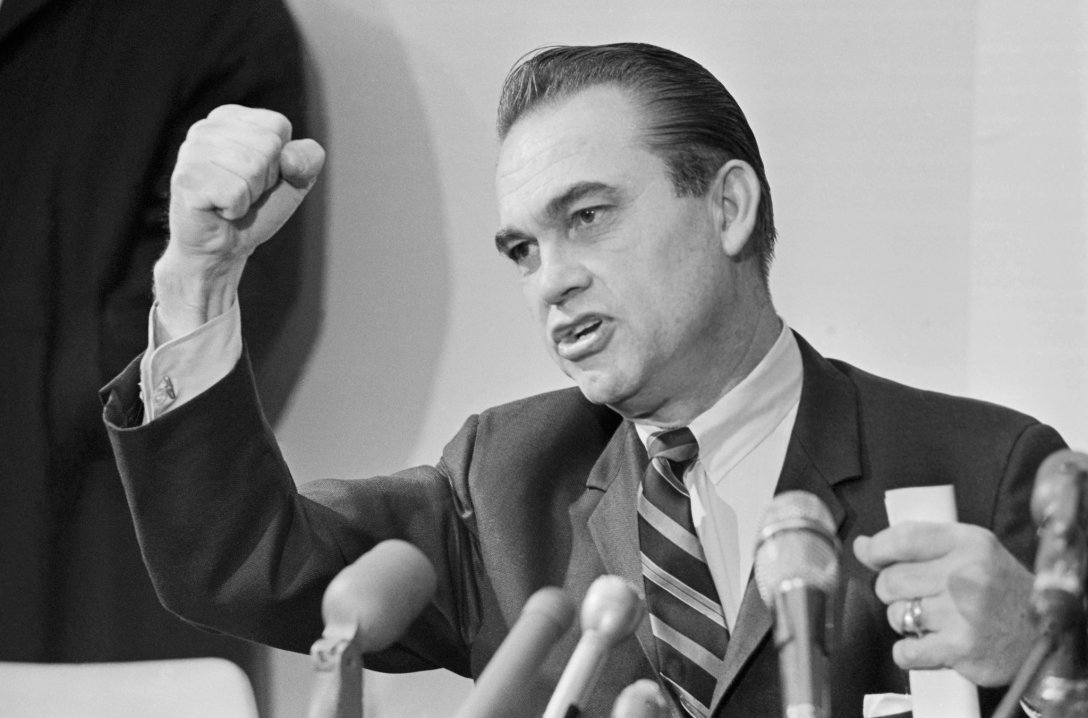
The next year the drama continued in Alabama, where Governor George Wallace stood in the doorway of the Registrar’s office at the University of Alabama to prevent African-Americans Vivian Malone and James Hood tried to register. When Wallace refused to budge, President John F. Kennedy called for 100 troops from the Alabama National Guard to assist federal officials. Wallace chose to step down rather than incite violence.
Beginning of the End
The Brown decision annihilated the separate but equal standard but it fell short of achieving its primary mission of integrating the nation’s public schools. Nevertheless, Brown still remains one of thee most important Supreme Court rulings in the 200 plus year story of our country. By focusing the nation’s attention on subjugation of African-Americans, it helped fuel a wave of freedom rides, sit-ins, voter registration efforts, and other actions leading ultimately to civil rights legislation in the late 1950s and 1960s.
On May 15, 1972, the controversial Governor of Alabama, George Wallace, was shot five times by Arthur Bremer in Laurel, Maryland while campaigning for the 1972 Democratic presidential nomination. One of those bullets would lodge itself in Wallace’ spinal chord cutting short his campaign and leaving him paralyzed from the waist down the rest of his life. Known for having coined the words “Segregation now, Segregation tomorrow, Segregation forever,” was a central figure in the opposition to the Civil Rights Movement. He also was a charismatic figure and a talented politician with a natural ability to commune with the common man using a mix of race and rage.
Wallace’s paralysis would prompt a great deal of soul searching within him and place him squarely on the road to racial redemption and reconciliation. In 1979, he went to a church in Montgomery, Ala., where the Rev. Dr. Martin Luther King Jr. had once been pastor. There, he spoke of having learned the meaning of suffering, “I think I can understand something of the pain that black people have come to endure,” he said. “I know I contributed to that pain, and I can only ask your forgiveness.”
In 1982, Wallace ran for Governor a fourth time and won. In that race, he carried all 10 of the state’s counties with a majority black population, nine of them by a better than two-to-one margin. Wallace would go on to hire a black press secretary, appoint more than 160 blacks to state governing boards and double the number of black voter registrars in Alabama’s 67 counties. In part, it was the politics of patronage but on a deeper level it was using his waning political power to make amends with those he once scorned. In 1998, civil rights icon John Lewis, who suffered at the hands of Wallace’s state troopers on the Edmund Pettis bridge in 1965 would write that George Wallace should be remembered for his capacity to change, not his racism. Lewis would write, “I can never forget what George Wallace said and did as Governor, as a national leader and as a political opportunist. But our ability to forgive serves a higher moral purpose in our society. Through genuine repentance and forgiveness, the soul of our nation is redeemed. George Wallace deserves to be remembered for his effort to redeem his soul and in so doing to mend the fabric of American society.”
On May 7, 1954, almost 10,000 French soldiers surrendered to Vietnamese Communist revolutionaries—the Viet Minh— at the battle of Dien Bien Phu after a fifty-five day long siege. The United States at one point would consider using nuclear weapons to assist France and relieve the siege but would ultimately judge such ideas impractical. This disastrous defeat marked France’s exit from Southeast Asia and a gradual unwinding of its colonial empire. For the Vietnamese people, their hard fought victory would not lead to independence but the division of their country and the emergence of a new enemy, the United States. The United States mistakenly would approach Vietnam problem through the Cold War lens of Communist containment rather than the independence struggle against colonial rule that it was, and suffer a similar defeat twenty years later.
World War II and the Japanese Occupation
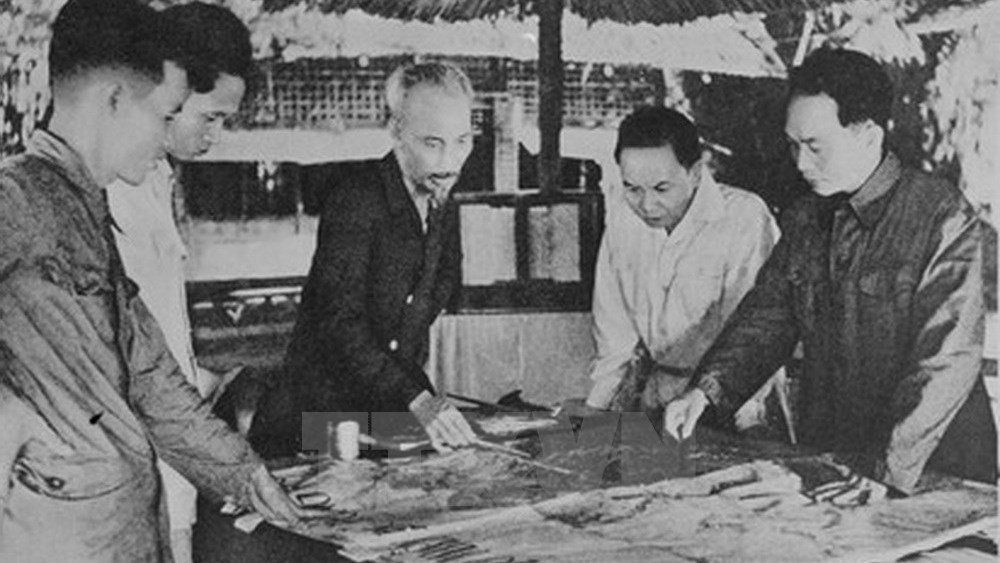
The story of the battle of Dien Bien Phu, its significance and America’s slow descent into the quagmire of what would become the Vietnam War begins with the end of of World War II. The war had seriously threatened British and French control over their far-flung colonial empires, especially in Southeast Asia. France lost control over much of its overseas empire after it was knocked out of the war in June 1940. In September 1940, Japan extracted humiliating military and economic concessions from the French colonial government in Indo-China–Vietnam, Laos, and Cambodia– which would become an important staging area for all Japanese military operations in Southeast Asia. By the end of 1941, Japan occupied all of Indo-China with its military forces. Although the Japanese occupation shattered the illusions of European supremacy and Asian backwardness, many Vietnamese worried they were trading one colonial occupier for another. The Vietnamese Communist Party, under the leadership of Ho Chi Minh and Vo Nguyen Giap would form a larger umbrella organization with other independence minded groups called the Viet Minh to resist the Japanese. The Viet Minh would work closely with operatives from the United States’ Office of Strategic Services– the forerunner of the CIA– to undermine the Japanese occupation. When Japan finally surrendered in September 1945, the Vietnamese people across the country rallied behind calls for insurrection and the establishment of an independent Vietnamese state. By late August, the Viet Minh controlled most of the major cities and on September 2, Ho Chi Minh and his followers declared a new and independent state called the Democratic Republic of Vietnam (DRV).
The First Indo-China War
The Vietnamese people, however, would have to wait to enjoy the independence they longed for. In the ten years that followed the end of World War II, France and the Viet Minh would fight a bloody struggle as the French sought to reimpose their authority over their former colonial possession. During World War II, U.S. President Franklin Delano Roosevelt made clear that he believed there was no place for colonialism in the post-war world. In fact, he argued that France had forfeited its right to maintain its colonies in Southeast Asia by its poor performance in the war and that Indo-China should be given its independence. However, President Truman did not share Roosevelt’s disdain for colonialism and the onset of the Cold War would significantly alter the U.S. decision-making calculus. The Communist Revolution in China in 1949 and the Korean War in 1950 would give birth to the “Domino Theory,” the idea if one country in a region succumbed to Communism the others would be endangered, all but guaranteeing that the United States would support French efforts to defeat the Vietnamese Communists. By the time the French military forces surrendered at Dien Bien Phu, the United States had invested almost $3 billion in saving Indochina from the specter of communism.
Ho Chi Minh and General Vo Nguyen Giap Planning Operations at Dien Bien Phu
For years the two sides battled to a stalemate but by 1953 the Viet Minh began to expand is hold over larger swathes of the country, strengthened by military and economic assistance from Communist China. Conversely, the French position was becoming more tenuous. The French war effort was hobbled a series of ineffective commanders, war weariness within the military, and a public clamoring for a negotiated end to the conflict. The war had become increasingly known in France as the la sale guerre (‘the dirty war’).
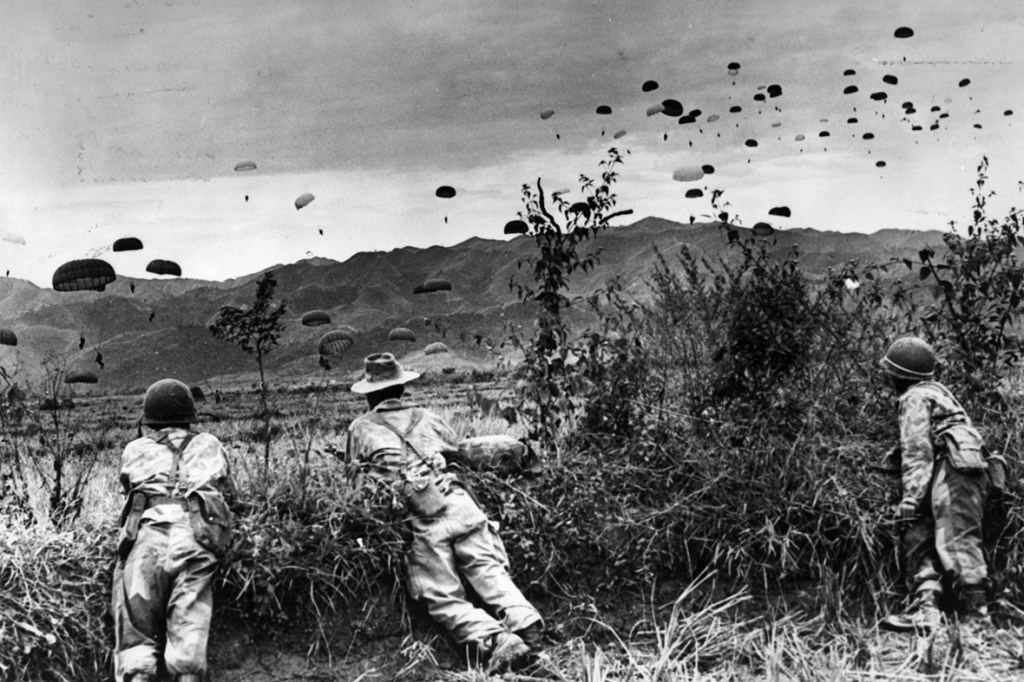
French goals soon shifted away from total victory to creating military conditions to enable an “honorable political solution.” Weary of jungle warfare, the French hoped to draw the Viet Minh into a major confrontation where superior French artillery, armor and air support could be used to decimate their enemy and force them to sue for peace. In November 1953, the French parachuted almost 10,000 troops into the remote village of Dien Bien Phu in mountainous Northwestern Vietnam. Here the French intended to build a heavily fortified base to hamper Viet Minh supply lines extending from Laos and to lure their adversary into a direct confrontation where they believed they held the advantage.
French Paratroopers Landing at Dien Bien Phu
Additional French reinforcements arrived in early December bringing their total to roughly 15,000 and within a month they had transformed their position into a heavily fortified base camp. Under the command of Colonel Christian de Castries the French quickly overcame local Viet Minh opposition and began building a series of eight fortified strong points with artillery while an air strip built by the Japanese during World War II would serve as their main supply line. Dien Bien Phu’s location offered tactical advantages and disadvantages. The base sat on the floor of a large valley, surrounded by steep mountains and cliffs, some up to a mile high. French officers thought the location and surrounding terrain made Dien Bien Phu unassailable. Any enemy offensive against Dien Bien Phu would require a long and arduous trek through the mountainous jungle. The high mountains and inaccessible forest around the base seemed to negate any chance of an artillery assault because the Viet Minh would never be able to get their guns up the mountains that overlooked the base. The French military planners would be proven catastrophically wrong.
Hell in a Small Place…
In January 1954, the Viet Minh army commander, the legendary General Vo Nguyen Giap, believed that the French military build up at Dien Bien Phu presented an opportunity. Much like the French, Giap hoped to inflict such a devastating defeat on the French that they would be forced to negotiate an end the conflict. Giap concentrated nearly 50,000 combat troops in the area, seizing the high ground around the French garrison. What followed next was a logistics miracle as dozens of artillery pieces anti-aircraft guns and thousands of shells were transported piecemeal by bicycle up narrow mountain paths and maneuvered into position. The first Viet Minh shells fell on French forces on January 31, 1954. The heaviness of the barrage came as a surprise to the French who did not believe that Giap possessed such large amounts of artillery.
The Viet Minh finally started their attack on March 13, 1954 with an assault on one of the eight fortified strong points code named “Beatrice,” which fell in a matter of hours. Strong points Gabrielle and Anne-Marie were overrun during the next two days, which denied the French use of the airfield, the key to the French defense. After a two week lull, Giap began a series of assaults on the remaining outposts. However, following a series of costly human wave attacks, he shifted to trench warfare and siege tactics. Throughout April, Giap slowly tightened the noose around the French camp. Now isolated and badly in need of supply, the French garrison struggled to hold on.
Operation Vulture
Desperate, the French turned to the United States for assistance and pressed Washington to launch an overwhelming air strike to save the garrison at Dien Bien Phu. French Foreign Minister Bidault told U.S. officials, “If the fortress fell, France would want to pull out completely from Southeast Asia and assume no continuing commitments, “and the rest of us would have to get along without France in this area.” Anxious to prevent the fall of another Asian nation to Communism after the loss of China and a bloody three year stalemate on the Korean Peninsula, Adm. Arthur W. Radford, Chairman of the Joint Chiefs of Staff and his French counterpart General Paul Ely developed a plan to relieve the beleaguered garrison called Operation Vulture. The plan envisioned sending 60 B-29s from US bases in the region to bomb the Viet Minh’s position. Supporting the bombers would be as many as 150 fighters launched from US Seventh Fleet carriers. Keeping with the Eisenhower administration’s newly promulgated doctrine of “massive retaliation” the the plan also included an option to use up to three atomic weapons. Redford, the top American military officer, gave this nuclear option his backing. US B-29s, B-36s, and B-47s could have executed a nuclear strike, as could carrier aircraft from the Seventh Fleet.
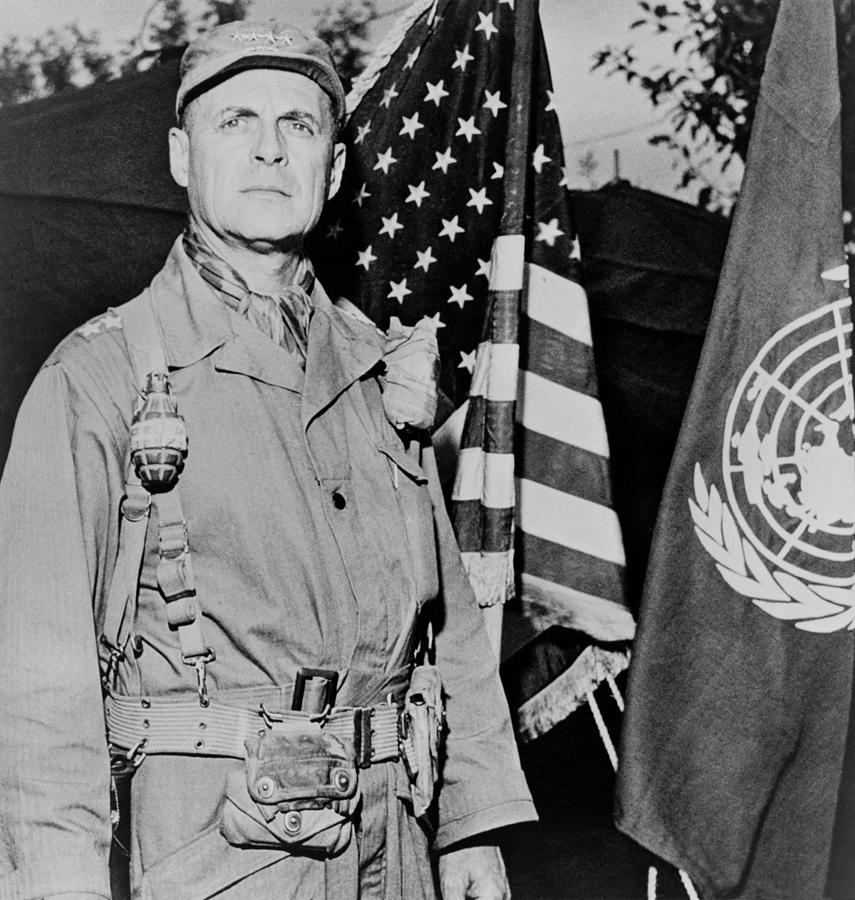
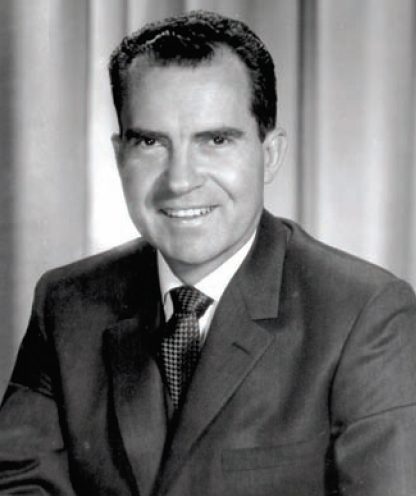
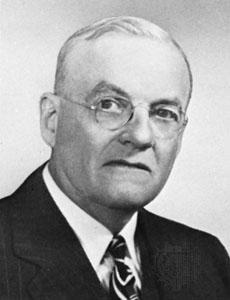
Nevertheless, there was vociferous debate within the U.S. military and the Eisenhower administration about whether the US should intervene to save the French and the risks and dangers that came with intervention, especially the possible use of nuclear weapons. Radford, who played a major role in developing Operation Vulture, clearly was on board with the plan and was joined by Air Force Chief of Staff, General Nathan Twining. On the political side Vice President Richard Nixon and Secretary of State John Foster Dulles favored intervening in support of the French believing that the US and the forces of democracy could ill-afford another setback in Asia. However, proponents of intervention encountered determined bureaucratic opposition. Army Chief of Staff, General Mathew Ridgway, who so brilliantly led US forces in Korea after General Douglass MacArthur was relieved of his command, lobbied against intervention. Ridgway was the leader of a faction within the U.S. Army known as the “Never Again Club” that regarded the Korean War which ended in a draw as an unsatisfactory outcome from the American perspective, and were strongly opposed to fighting another land war in Asia, especially against the Chinese. Ridgway warned that air power alone could not save the French and argued that only the commitment of seven U.S. Army divisions could turn the tide. Ridgway further contended if the United States intervened in Vietnam it was almost a given that China would likewise intervene.
Left: Chairman of the Joint Chiefs of Staff, Admiral Arthur Radford, Air Force Chief of Staff General Nathan Twining, Army Chief of Staff Mathew Ridgway, Vice President Richard Nixon, Secretary of State John Foster Dulles, and President Dwight D. Eisenhower
Besides Ridgway, President Eisenhower also harbored doubts about intervening in support of France. Elected on a platform, that he would go to Korea and end what was an unpopular war, he was sympathetic to Ridgway’s warnings. Eisenhower also was dissatisfied with French policies in Vietnam and he worried about acting without other allies, especially after Great Britain informed him that it did not support the idea of a military intervention against the Viet Minh and would not be “hustled into injudicious military decisions. The time for a decision came in late April but in the end Eisenower, convinced that the political risks outweighed the possible benefits, decided against the intervention. Radioing French headquarters in Hanoi, the French Commander
The End is Near
Left to their own devices, it was only a matter of time before the French surrendered. In early May, Giap renewed his assault and succeeded in overrunning the French defenders. On 7 May, Giáp ordered an all-out attack against the remaining French units with over 25,000 Viet Minh against fewer than 3,000 French troops. As the battle raged, the French commander de Castries radioed headquarters in Hanoi, “The Viets are everywhere. The situation is very grave. The combat is confused and goes on all about. I feel the end is approaching, but we will fight to the finish.” The radio operator in his last words stated: “The enemy has overrun us. We are blowing up everything. Vive la France!” On the evening of May 7 the red flag of the Viet Minh flew over the French command bunker. The battle was over.
The French defeat at Dien Bien Phu was a disaster and a major blow to French prestige. French loses numbered 2,293 killed, 5,195 wounded, and 10,998 captured. Viet Minh casualties are estimated at around 23,000. The defeat at Dien Bien Phu marked the end of the First Indochina War as well as France’s role in Southeast Asia. It also marked the beginning of what would become the United States two decade long involvement in Vietnam.
Aftermath: The United States Steps In
With the French defeat on the battlefield, the United States quickly pivoted to the negotiating table to stop the spread of Communism in Southeast Asia. In July 1954, the Geneva Accords were reached between the Soviet Union, the People’s Republic of China, Great Britain, France and the United States. As part of the agreement, the French agreed to withdraw their troops from northern Vietnam. Vietnam would be temporarily divided at the 17th parallel, pending elections within two years to choose a president and reunite the country. During that two-year period, no foreign troops could enter Vietnam. Ho Chi Minh reluctantly signed off on the agreement though he believed that it cheated him out of the spoils of his victory. The non-communist puppet government set up by the French in southern Vietnam refused to sign, but without French support this was of little concern at the time. The United States also refused to sign, but did commit itself to abide by the agreement.
Conservative critics in the United States bashed the Geneva Accords as a give away to the communists and many resigned themselves to a communist takeover of all Indo-China. However, Secretary of State John Foster Dulles seized on the idea of partition of Vietnam as the only viable way to prevent the spread of Communism throughout Southeast Asia. Despite its pledge to abide by the Geneva Accords the United States reneged on its promise to support nationwide elections to chose a new president and unify the country because it clearly understood that the Communists would win. Instead the United States set about building a steady and durable non-communist South Vietnam, a task that would prove futile over the following two decades.




















 Tragedy and Farce