
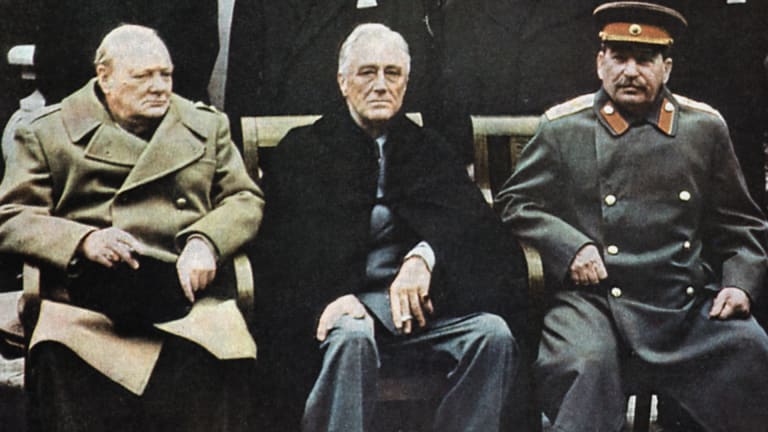
On February 4, 1945, United States President Franklin Roosevelt, British Prime Minister Winston Churchill, and Soviet leader Josef Stalin gathered at the Soviet seaside resort of Yalta to hammer out a post-war settlement for Europe and address other pending issues including the war in the Pacific. Code named ARGONAUT, the conference spanned eight days and was the final time the “Big Three” would meet together. Roosevelt would die from a brain hemorrhage in April 1945 while a war weary British public would vote Churchill out of office in the July 1945 elections. The Conference also marked the high-tide of allied cooperation and a gradual unraveling of the wartime alliance soon followed as a clash of ideologies and competing post-war political interests gained preeminence. In the decades, that followed, the word “Yalta,” much like “Munich” would become synonymous with appeasement and capitulation.
The Beginning of the End
By September 1944, if not sooner, it had become increasingly apparent that it was no longer a case of if Nazi Germany would be defeated but when. The Soviet victory at Stalingrad in February 1943 had turned the tide of the war blunting any further German advances Eastward. The vaunted Nazi Wehrmacht would spend the remainder of the war on the defensive. A powerful Soviet counteroffensive, Operation Bagration, forced the Nazis to fall back westward and the Red Army was on the outskirts of Warsaw by the beginning of August 1944. In the West, the June amphibious landings at Normandy established a US, British, and Canadian foothold in France and by the end of August Paris would be liberated and the combined US, British, and Canadian armies poised to enter Germany.

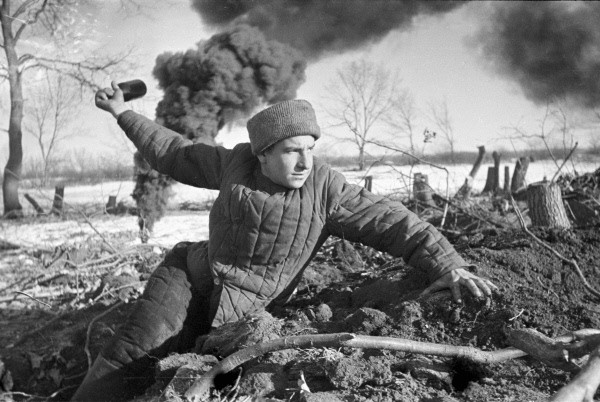
In the Pacific, the United States continued to make steady and almost inevitable progress against Japan but at great cost. By the end of June 1944, U.S. Marines had taken the strategically important island of Saipan but at the cost of over 13,000 casualties. The capture of Saipan would allow the United States to launch B-29 bomber strikes on the Japanese mainland but the ferocity of the Japanese resistance, 29,000 killed in action including 5,000 suicide attacks, served as a harbinger of what a U.S. invasion of the Japanese homeland might encounter. Estimates of the time suggested that such an operation could last a year and result in upwards of one million U.S. casualties.
With the defeat of Nazi Germany growing more likely, President Roosevelt called for a conference of the Big Three in November 1944 to address numerous post-war issues and to enlist Soviet assistance in the war against Japan. The previous year, Roosevelt, Churchill, and Stalin met in Tehran where the United States and Great Britain committed to opening a long-awaited second front in France and Stalin agreed in principle to declare war against Japan after Nazi Germany’s defeat. After much debate, Roosevelt and Churchill agreed to meet Stalin in early February 1945 at Yalta on the Crimean Peninsula in the Soviet Union, despite warnings from Roosevelt’s physicians that such a long and onerous trip could kill the weakening president.
The Conference Begins
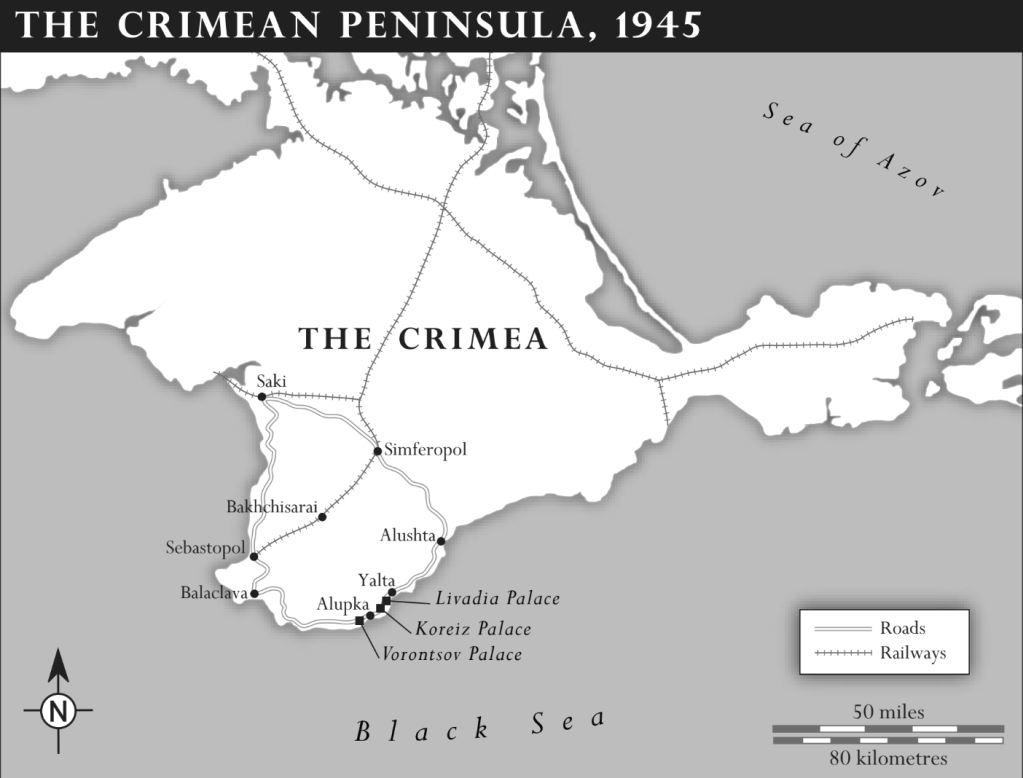
Located near the tip of the Crimean Peninsula in the Ukrainian Soviet Socialist Republic, the conference was held at the Livadia Palace overlooking the Black Sea. Once the summer retreat of Czar Nicholas II, it would become ground zero for negotiations that would decide the future of post-war Europe.
All three leaders arrived at the conference with competing agendas. For Roosevelt, securing Soviet entrance into the war against Japan was a top priority. Roosevelt worried U.S. casualties at Saipan and increasing Japanese suicide attacks in the Pacific were signs of things to come should the US attempt an invasion of the Japanese homeland. These apprehensions were reinforced later that month at the battle of Iwo Jima, where the US would suffer another 25,000 casualties. Roosevelt also wanted Stalin’s support for his idea of a United Nations organization that would maintain peace and stability and prevent another world war.

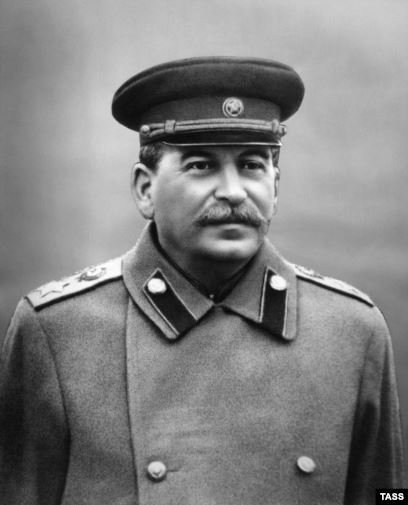
Stalin’s goals were more cynical and single minded. Beyond ensuring that Germany would never rise again to threaten the Soviet Union and securing an agreement on reparations, he had two main aims. He wanted Allied recognition of the territory that he seized from Poland and Romania in 1940 as part of the Molotov-Von-Ribbentrop Pact and of a Soviet sphere of influence over Eastern Europe. As Stalin told one of his Yugoslav communist allies, “This war is not as in the past; whoever occupies a territory also imposes on it his own social system. Everyone imposes his own system as far as his army can reach.”
Churchill’s aims for the conference centered primarily on preserving Britain’s colonial empire, preventing Soviet domination of Europe and ensuring that Germany would never again pose a threat to European peace and stability. Churchill recognized early on, much like Stalin, that the further the Red Army advanced West, the greater the influence the Soviet Union would wield over post-war Europe. He also worried that Roosevelt, desperate for a Soviet declaration of war on Japan, would be too eager to placate Stalin with other concessions in Europe. Churchill hoped to create a bulwark of strong democratic-capitalist states in Europe to contain the spread of Soviet communism and ensure that Britain was not left alone to face the Soviets in Europe. As such, Churchill would lobby hard for France to be given a position on the Allied Control Commission and a zone of German occupation against Stalin’s objections. He also would strongly oppose Soviet demands for reparations from Germany, mindful of the failures of the Versailles Treaty which had left Germany embittered, economically destitute, politically susceptible to extremism, and resentful of the international community.
The Post-War Order Takes Shape
Over the course of seven days the Big Three would hammer out a number of agreements that would serve as the framework for a post-war peace. The allies agreed that once Germany was defeated, it would be divided into four zones of occupation; the US, Great Britain, the USSR, and France would each control a zone. The German capital of Berlin was also divided in similar fashion. Initially, Stalin balked at giving France responsibility for a zone of occupation because of its surrender in 1940 but eventually relented after it was agreed that a French zone would be carved out of the US and British zones. On the issue of reparations, Stalin demanded $20 billion in reparations from Germany, half of this sum to be destined for the Soviet Union. Churchill rejected this amount while Roosevelt accepted the sum as a basis for future discussion. The three leaders agreed to the creation of a commission to study the issue further.
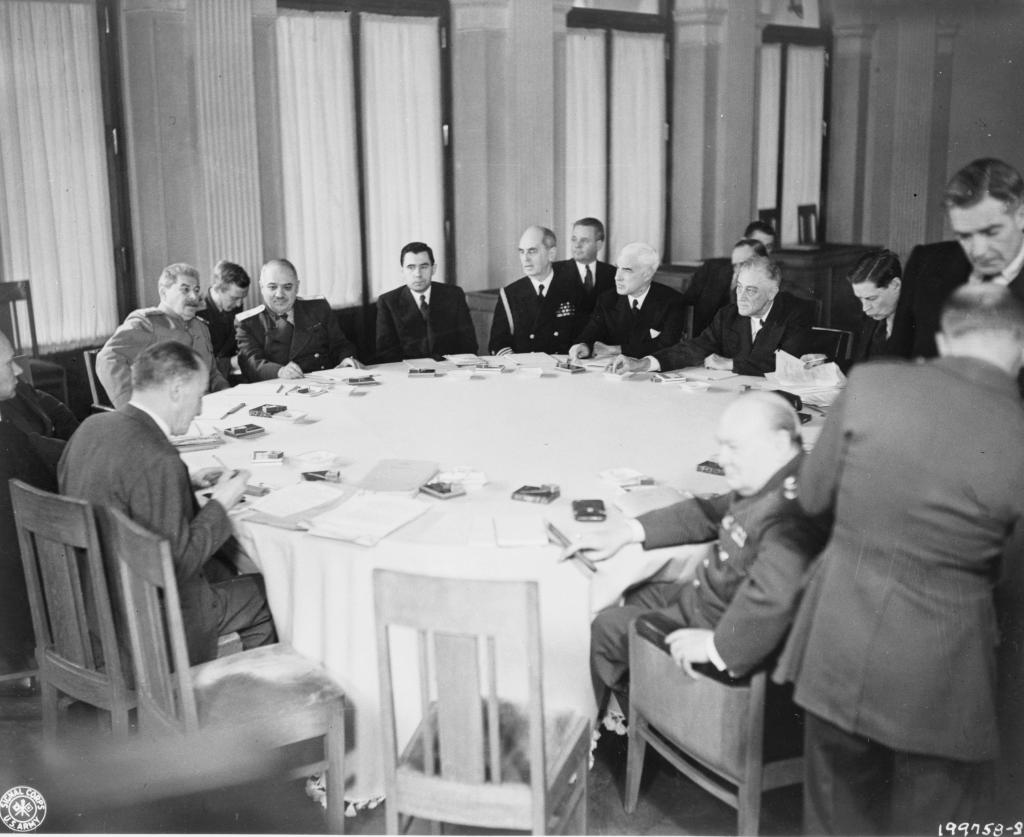
On other issues, Roosevelt achieved his primary objective of securing Stalin’s promise to enter the war against Japan three months after Germany’s defeat. In return, Roosevelt acceded to Stalin’s demands including the annexation of South Sakhalin Island and the Kurile Islands and several other concessions that would allow Moscow a sphere of influence in Manchuria following Japan’s surrender. Stalin also accepted Roosevelt’s plan for a United Nations organization but only after the three leaders agreed that all permanent members of the organization’s Security Council would hold veto power.
The Intractable Problem of Poland
No other issue would prove more acrimonious and contribute more to the unraveling of the war time alliance than the question of Poland. Churchill first broached the subject on the third day of the conference, February 6, and it soon became evident that whatever flexibility and goodwill that helped to resolve the earlier issues had disappeared. At its core, the Polish problem was about borders and what kind of government Poland would have after the war. More specifically, would Poland become a free and democratic state with its pre-war borders intact or a truncated, Soviet controlled puppet, under communist rule? The argument over Poland’s border’s was largely moot. Roosevelt and Churchill, in principal, had conceded to Stalin’s demands at the 1943 Tehran Conference. However, on the composition of Poland’s post-war government Roosevelt and Churchill battled for Poland’s right to self-determination employing all kinds of stratagems and arguments but in the end they secured only paper promises that they lacked the means to enforce.
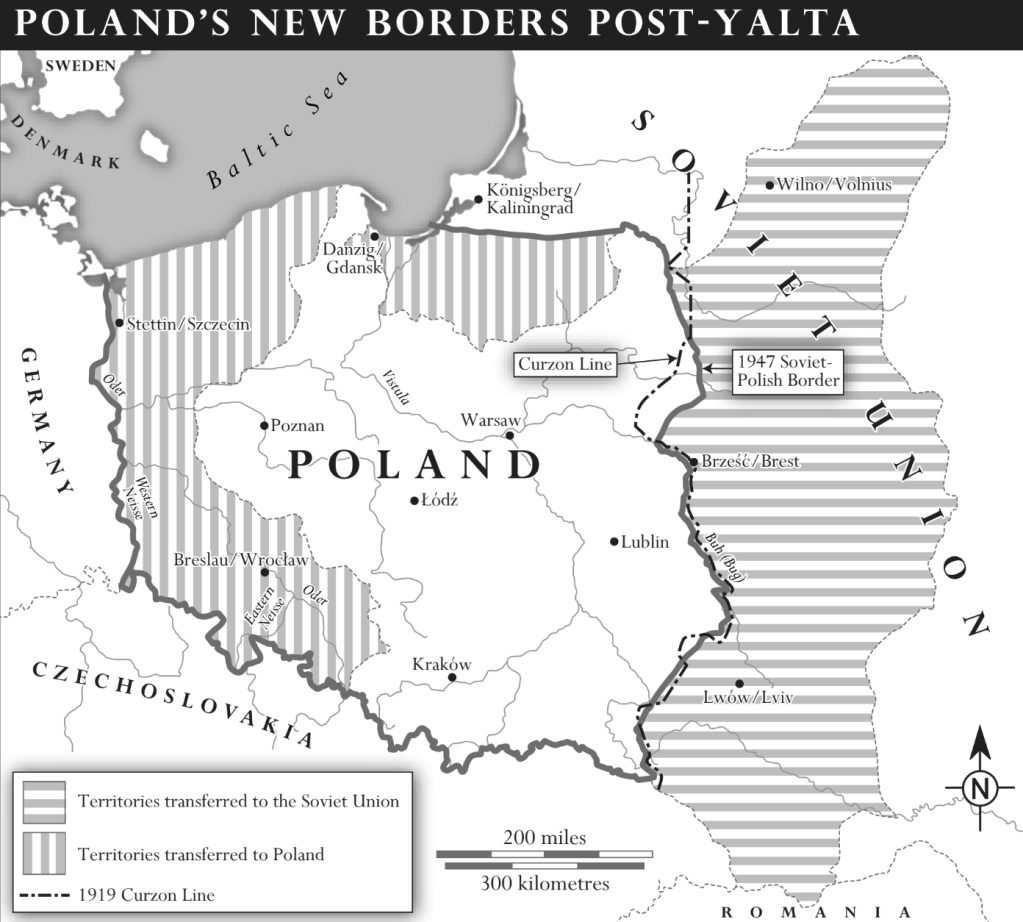
All three leaders had a vested interest in the outcome of the Polish question. However, where Poland ranked on their hierarchy of concerns and the leverage they could wield to bring about a favorable outcome varied considerably. The Soviets arguably had the most at stake in Poland and the fact that the Red Army was stretched across Polish territory gave Stalin the most leverage. For Stalin, Polish self determination was incompatible with Soviet security. “Throughout history, Poland has been the corridor through which the enemy has passed into Russia. Poland is a question of life and death for Russia,” he argued. In Stalin’s mind there could be no security without control over Poland and the rest of Eastern Europe and control meant the establishment of Communist-dominated regimes beholden to Moscow.
It was clear from early on that Stalin had designs on Poland and that almost all Soviet actions regarding Poland were aimed at establishing their control and eliminating any opposition. In 1940, Stalin secretly executed over 22,000 Polish military officers and intelligentsia taken captive during the attack on Poland the previous year, demonstrating his malign intentions toward Poland. In July 1944, the Soviets stood up a pro-Soviet, Polish communist government in Lublin in opposition to the Western recognized London-based Polish government in exile. The next month, the Red Army sat idly by on the outskirts of Warsaw allowing the Nazis to brutally crush an uprising by forces loyal to the Polish government in exile, despite allied pleas to come to their aid. With over 250,000 anti-Communist Poles killed in he uprising there were to few to left to challenge the communists in Lublin. For Stalin, Poland was a closed question. It’s fate was already decided by the advance of the Red Army and there was no need to renegotiate or discuss what had already been won. Moreover, Stalin believed that the Soviet Union was fully justified in unilaterally deciding Poland’s fate because the United States and Britain had done so with France and Italy earlier with no input from Moscow.
For Churchill, the question of Poland’s post-war government was of both symbolic and practical importance. It was the Nazi invasion of Poland on September 1, 1939 that was the casus belli for both Britain and France to declare war on Germany. Britain went to war so “that Poland should be free and sovereign,” Churchill argued. Britain’s only interest, he added was “one of honor because Britain drew the sword for Poland against Hitler’s brutal attack.” Having already consented to Stalin’s Polish land grab, Churchill insisted on guarantees that the Poles themselves would be allowed to determine the composition of their government. “Poland must be mistress in her own house and captain of her own soul,” he declared. This required a dissolution of the pro-Soviet Lublin government and new free elections, neither of which Stalin was prepared to accept.
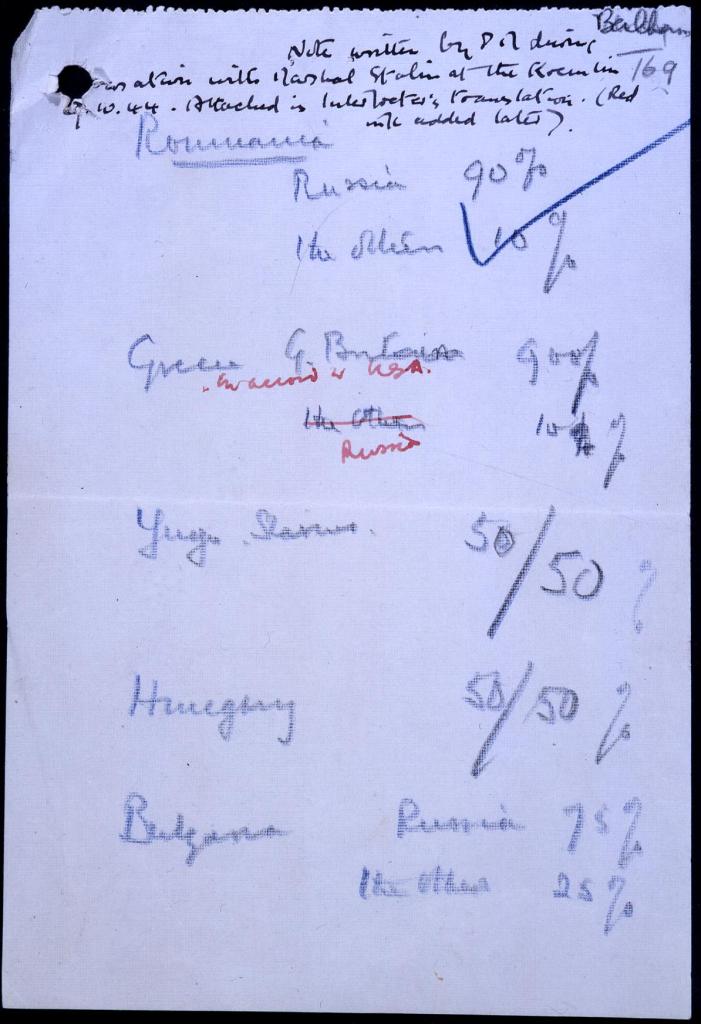
Despite his eloquent and impassioned plea for Polish self-determination, Churchill was a realist. He knew that as long as the Red Army occupied Poland and the rest of Eastern Europe there was little that he or Roosevelt could do to prevent Soviet domination of the region. Churchill had lobbied Roosevelt in 1943 for a military operation in the Balkans instead of the Normandy landings in large part to curb the Red Army’s advance into the region. Unable to persuade Roosevelt, Churchill turned to diplomacy to try and limit the spread of Soviet influence. On October 9, 1944, in Moscow, Churchill and Stalin reached a notorious “spheres of influence” agreement in which the two leaders cynically divided up the Balkans. According to Churchill, he suggested that the Soviets should have 90% influence in Romania and 75% in Bulgaria. Great Britain would control the other 10% and 25% respectively. Conversely, the British would have 90% in Greece (a strategically crucial country for British imperial communications in the Mediterranean Sea). Britain and the Soviet Union would share dominance both in Hungary and Yugoslavia. Churchill wrote this proposal on a piece of paper which he pushed across to Stalin, who ticked it off and passed it back in agreement. This “percentage agreement” was never formalized but it did demonstrate to Stalin that Churchill understood the weak hand he was playing and that he was prepared to be ruthlessly pragmatic about the fate of Eastern Europe.
Roosevelt shared Churchill’s apprehensions about the Soviet domination of Eastern Europe but he also saw Poland as a no-win situation. The Soviets had the upper hand. They had the advantages of power and proximity and he was reluctant to risk losing their cooperation in the war against Japan or support for his United Nations concept in a clash he was destined to lose. Roosevelt approached the Polish issue very carefully at the conference, avoiding the emotional outbursts that Churchill was sometimes prone to while calibrating his language to avoid alienating Stalin. In his opening remarks on the Polish question, Roosevelt addressed the less thorny issue of Poland’s borders first and suggested Stalin return the city of Lviv to the Poles, claiming such magnanimity would have a salutary effect on further discussions. Stalin was unmoved. That evening, he sent a note to Stalin explaining that the United States could never recognize the Lublin government while implying that how the Soviet Union handled the Polish question would impact cooperation in the post-war period. Roosevelt seemed to hope that the momentum of wartime alliance, and the prospect of a cooperative and amicable post-war relationship would appeal to Stalin as much as it appealed to him. He clearly misjudged Stalin.
Game Over
After almost five days of painstaking argument and debate over Poland, Roosevelt and Churchill finally were forced to acknowledge the inevitable, that there was little they could do short of war to prevent Soviet domination of Eastern Europe. In the end, both men conceded that the Soviet installed Communist government would form the basis of a new provisional government of national unity. They tried to constrain Stalin and gloss over their abandonment of the legitimate Polish government-in-exile in London by insisting that the government be augmented to include representatives from other parties and that free elections to choose a successor government would be held as soon as possible. They also made a last ditch effort to try and assure at least a modicum of freedom for Eastern Europe with the Declaration on Liberated Europe. Yet, in the end these stratagems all failed to hamstring Stalin because they were all lacked detail, were subject to multiple interpretations, and had no enforcement mechanisms or means to hold him accountable. Roosevelt’s Chief of Staff, Admiral William Leahy put it best, “This [agreement on Poland] is so elastic that the Russians can stretch it all the way from Yalta to Washington without ever technically breaking it,”

As both Roosevelt and Churchill returned home from the conference, they were each sadly aware of how little they had achieved for Poland but tried to put the best possible spin on things. Both men came under fire from domestic critics for carving up Poland and passively accepting Soviet domination of Eastern Europe as they framed the Polish outcome as the best possible under the circumstances. As one of Roosevelt’s most senior advisors remarked, “it was not a question of what we would let the Russians do, but what we could get the Russians to do.”
The agreements reached at Yalta met with a mixed reception among the small number of experienced Russia hands at the State Department. Charles Bohlen, who helped open the first U.S. embassy in the Soviet Union in 1934, headed the department’s East European Division and acted as Roosevelt’s interpreter at Yalta, felt that the agreements reached were “realistic compromises.” Bohlen believed that while Roosevelt and Churchill had made many concessions on Poland there was still a chance for a genuinely democratic Polish government if the agreements were carried out.
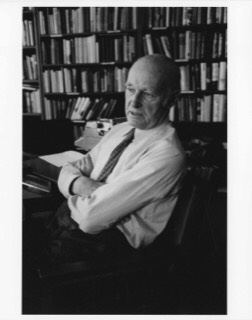
George Kennan, who was the deputy chief of mission in Moscow and who would later become one of the chief architects of the U.S. containment policy toward the Soviet Union, was much less optimistic. In a memorandum written a few months before Yalta, Kennan painted a rather gloomy assessment of future Soviet relations with the West. He thought the idea that Stalin was someone the United States could cut reasonable deals with was absurd and that there was little hope for post-war cooperation with the Soviet Union because of Moscow’s determination to dominate Eastern Europe.
Kennan would prove more accurate in his assessment. Within a month’s time, Roosevelt and Churchill realized that Stalin would not honour his promise of free elections for Poland. Reports of wholesale deportations and liquidations of opposition Poles by the Soviets began to emerge. Near the end of March, Ambassador to the USSR Averell Harriman, Kennan’s boss, cabled Roosevelt that “we must come clearly to realize that the Soviet program is the establishment of totalitarianism, ending personal liberty and democracy as we know it.” Roosevelt soon began to admit that his view of Stalin had been excessively optimistic and that Stalin was not a man of his word. “Averell is right.”We can’t do business with Stalin,” Roosevelt lamented. “He has broken every one of the promises he made at Yalta.”

As the realization of Stalin’s duplicity set in, both Roosevelt and Churchill both began to show a new willingness to consider harsher policies toward the Soviet Union. For Roosevelt, it was too late. He would pass away on April 12. Churchill, however, directed the British Chiefs of Staff to develop secret military plans to enforce the Yalta agreements and drive the Soviets out of Poland which would would become known as Operation Unthinkable. After a month of planning the British Chief of Army Staff on June 9, 1945, predictably concluded: “It would be beyond our power to win a quick but limited success and we would be committed to a protracted war against heavy odds.” In fact, theBritish military leadership believed it would take 45 Anglo-American divisions, several divisions of Poles and 100,000 rearmed Germans. In little over a month, Churchill surprisingly would be voted out of office, replaced by a Labour government under Clement Attlee.
The Cold War Begins
A little over a year after Yalta, Churchill delivered his famous speech at a small American college in Missouri where he uttered the famous line, “From Stettin in the Baltic to Trieste in the Adriatic, an iron curtain has descended across the Continent.” Churchill’s speech has traditionally been viewed as the beginning of the Cold War, the titanic 45 year struggle for ideological supremacy between the United States and its democratic allies and the Soviet Union and its communist satellites. However, the seeds were clearly planted at the Yalta conference and germinated with Stalin’s duplicity and Roosevelt and Churchill’s quick realization that he was not a man of his word.
In the years following the conference, both Roosevelt and Churchill’s reputations took a hit as the word Yalta became synonymous with betrayal and abandonment. Critics argue that Roosevelt and Churchill were too quick and willing to appease Stalin. Could things have turned out differently? Probably not.
Sun Tzu wrote that every battle is won before it is even fought and the fate of Poland had been pretty much decided long before Roosevelt and Churchill went to Yalta in February, 1945. The Red Army was in full control of the country. The Polish resistance loyal to the government in exile in London was decimated. The Lublin Committee, now transformed into the Provisional Government, was issuing decrees and seeing them carried out. Its legitimacy continued to be questioned in London and Washington. But it would have taken a great deal more leverage than Roosevelt and Churchill possessed, or could reasonably be expected to apply, in order to alter the fundamental situation. The Russians had the double advantage of proximity and power. An argument can be made that Roosevelt should have set aside his earlier reluctance to engage in post-war negotiations before Germany was defeated and should have raised these issues earlier at the 1943 Tehran Conference. At that point he might have had more leverage over the Soviets. The Red Army would not have been in control of Poland yet and he could have conditioned Lend Lease Aid to Soviet support for free elections. In the end, Roosevelt was not going to jeopardize the war time alliance for post war issues when the outcome of the war was still somewhat in doubt. Moreover, it is far from certain that any threats short of military force would have deterred Stalin.
.

 Tragedy and Farce